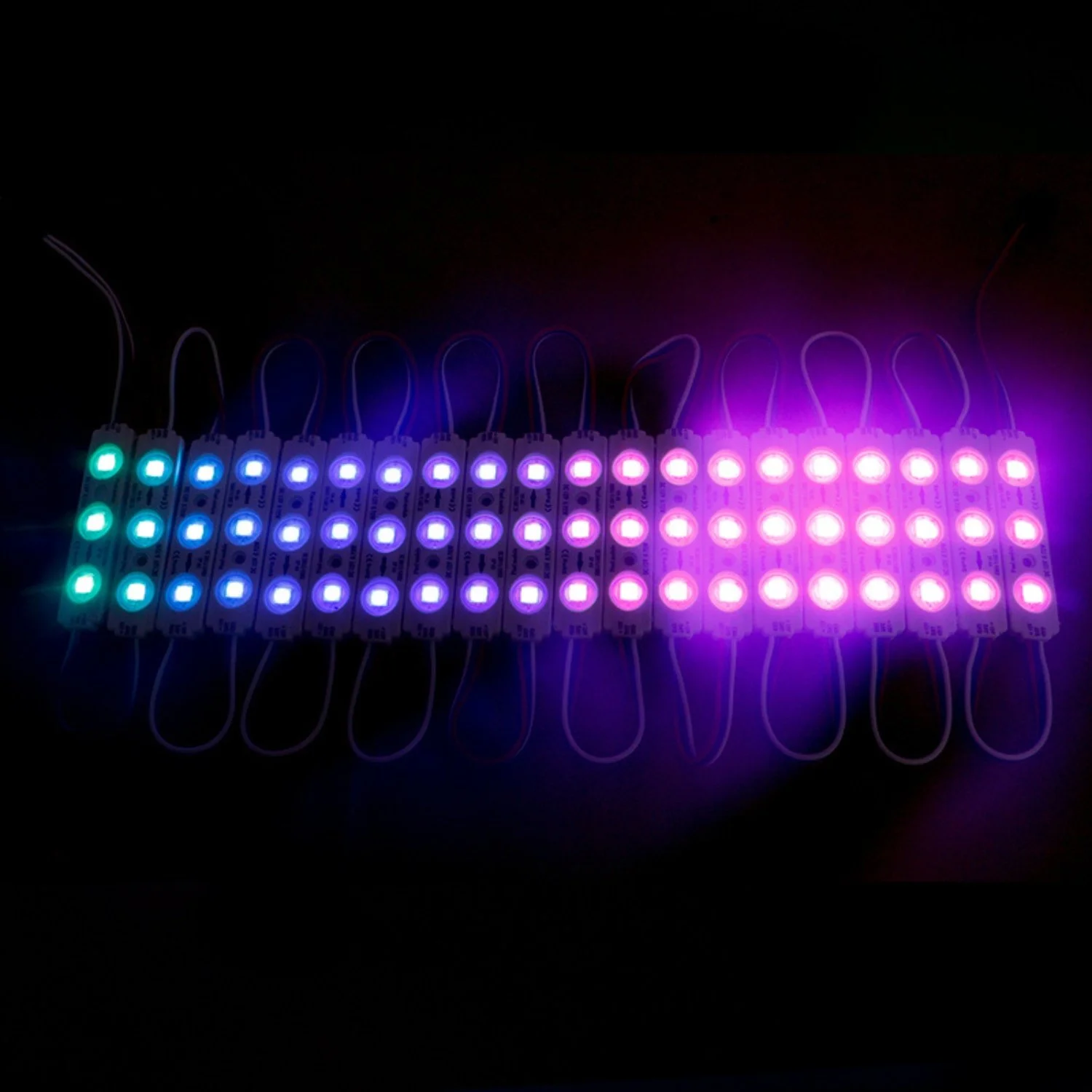
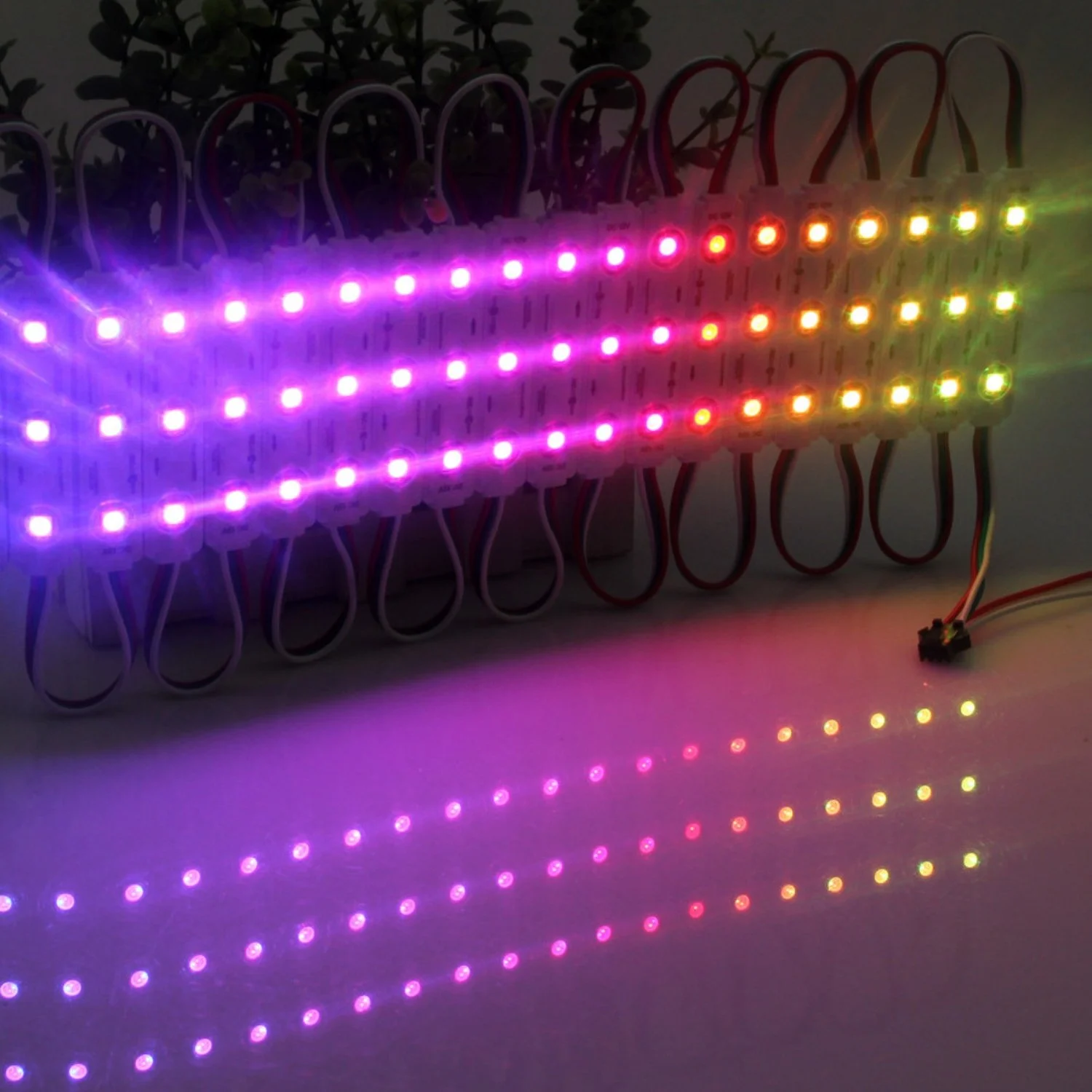
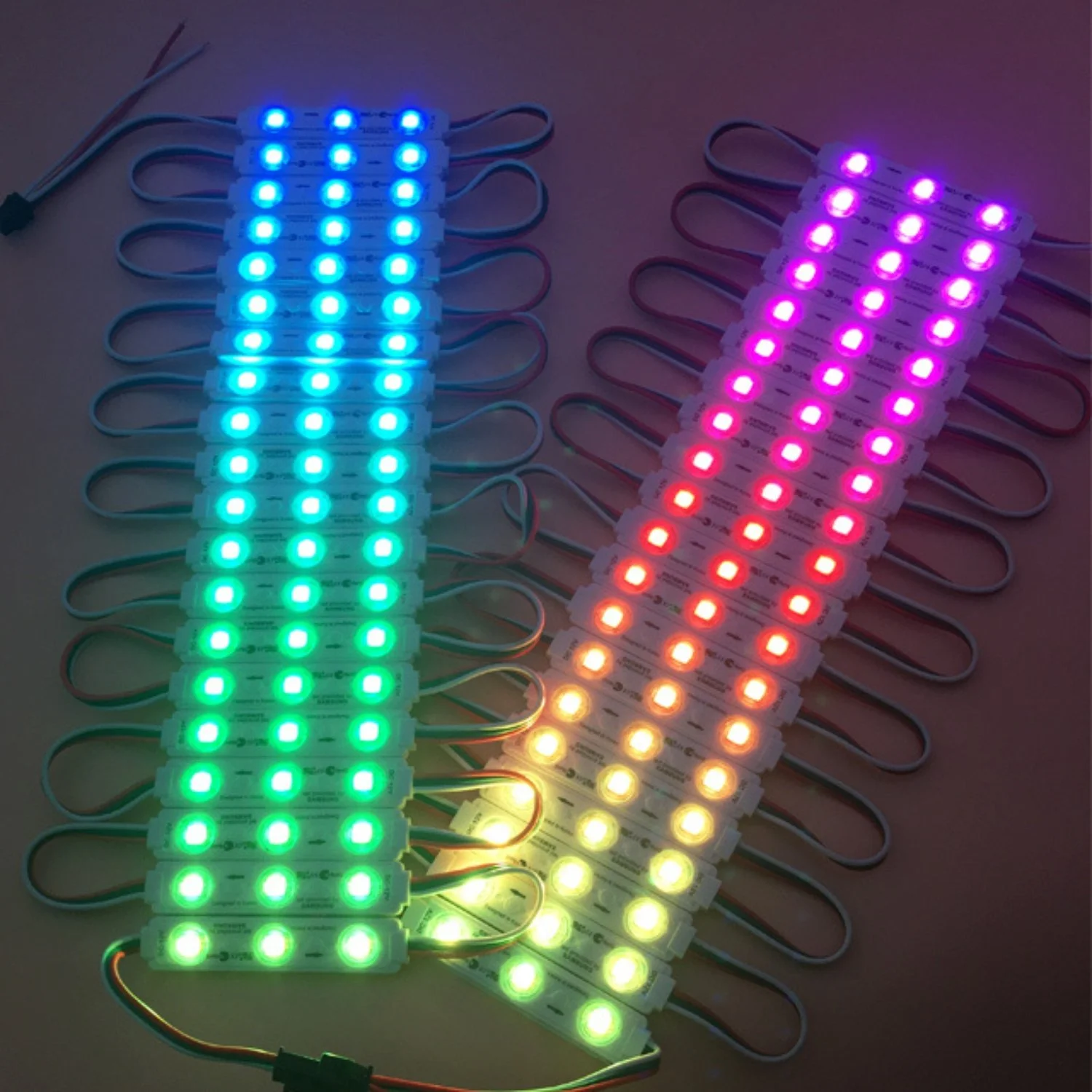
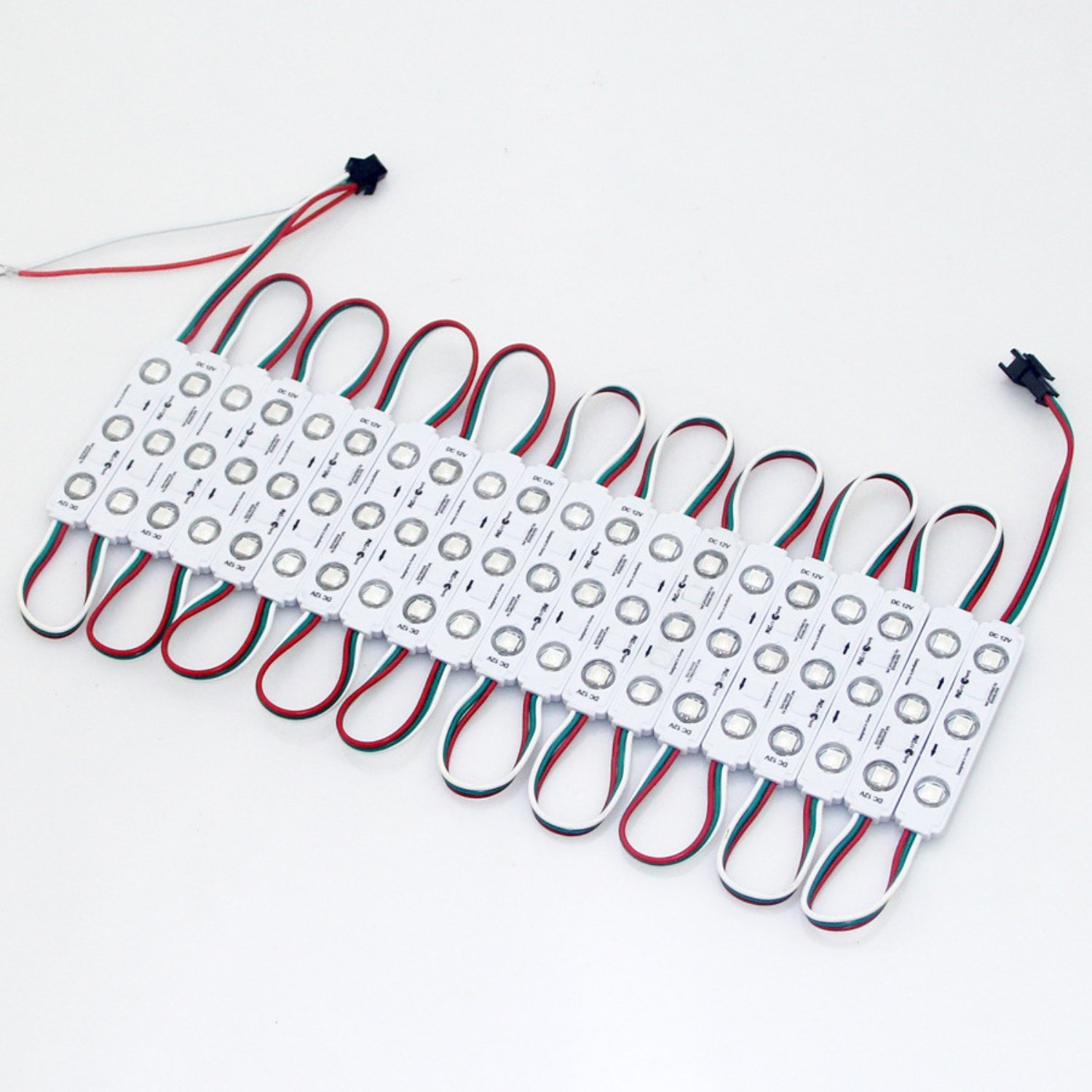
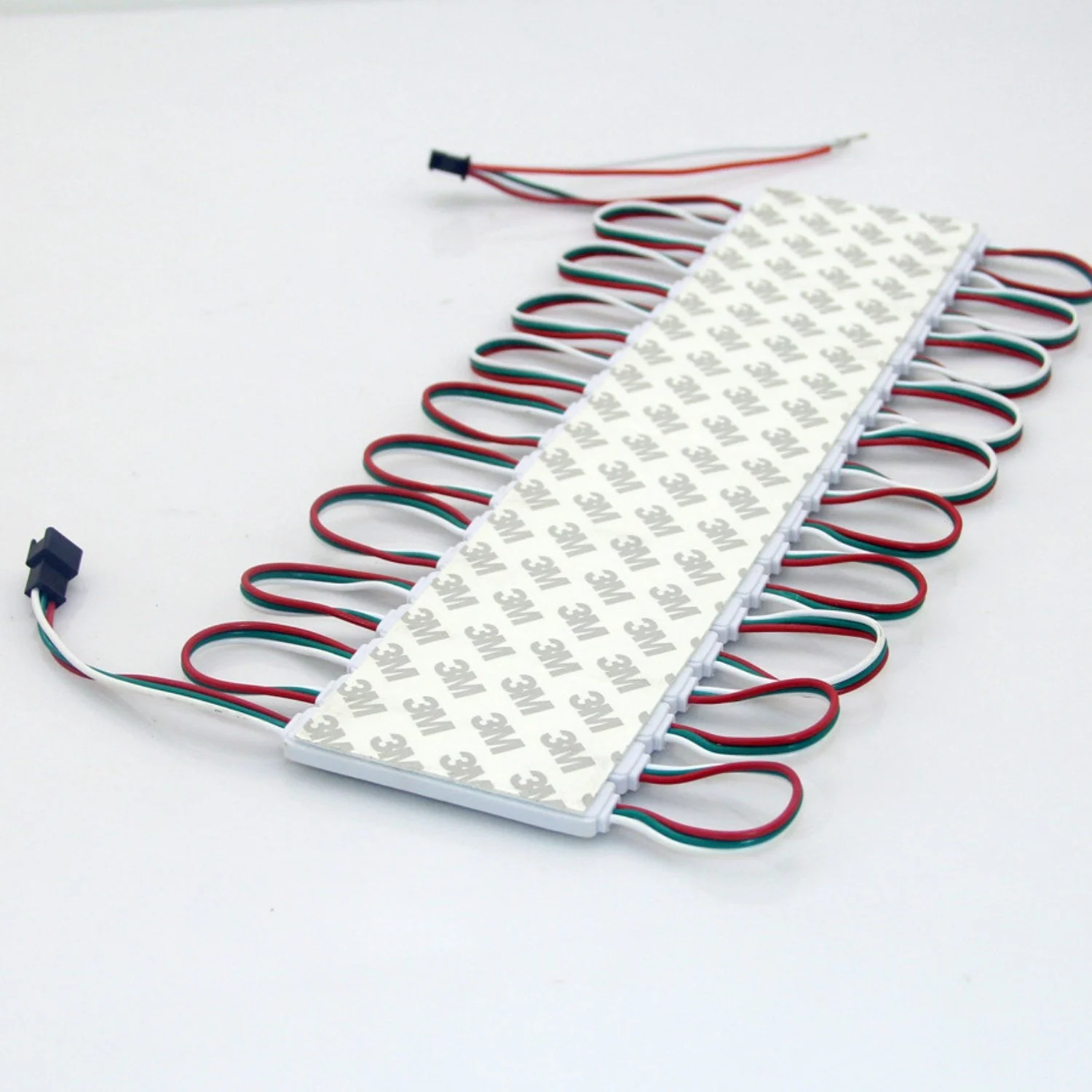
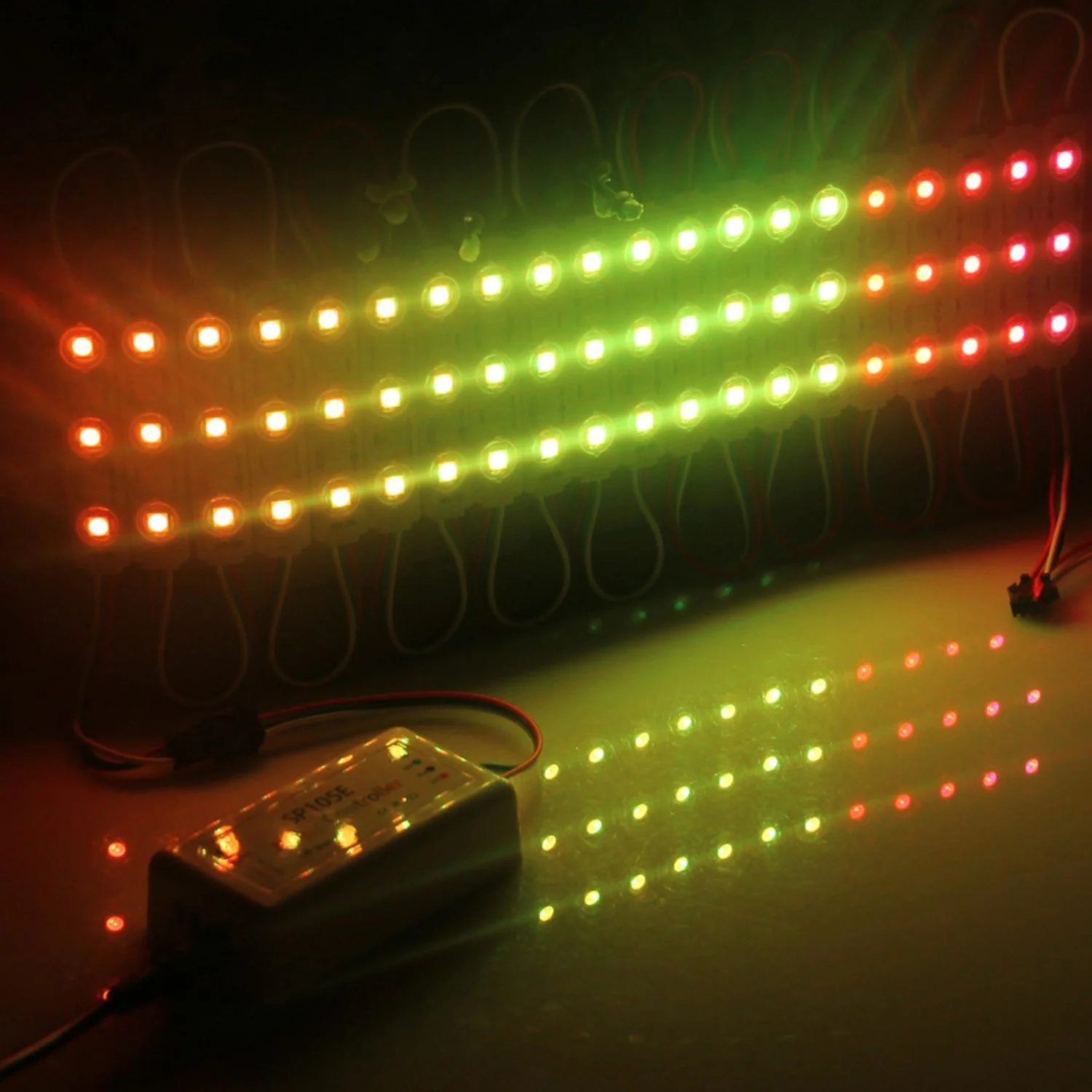
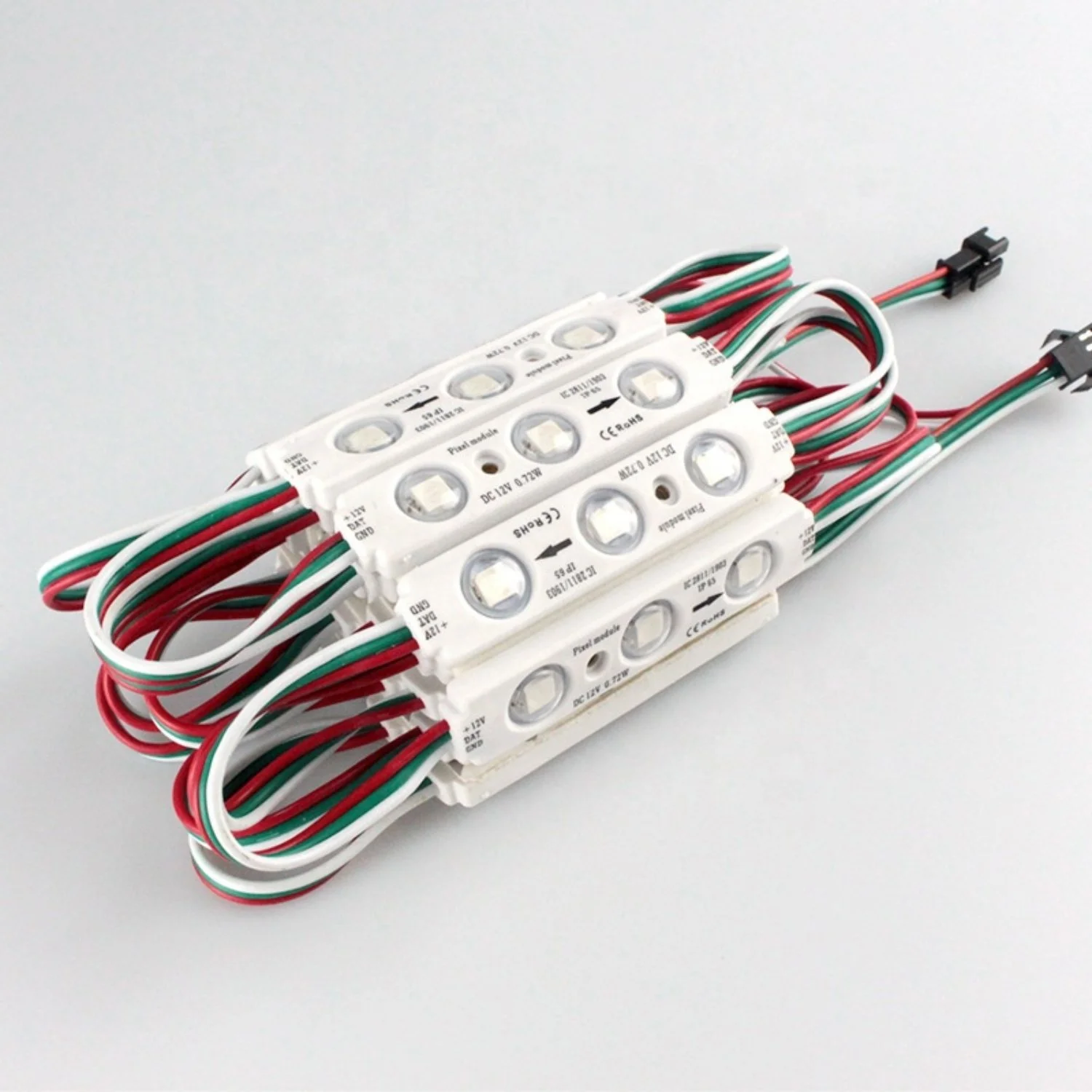
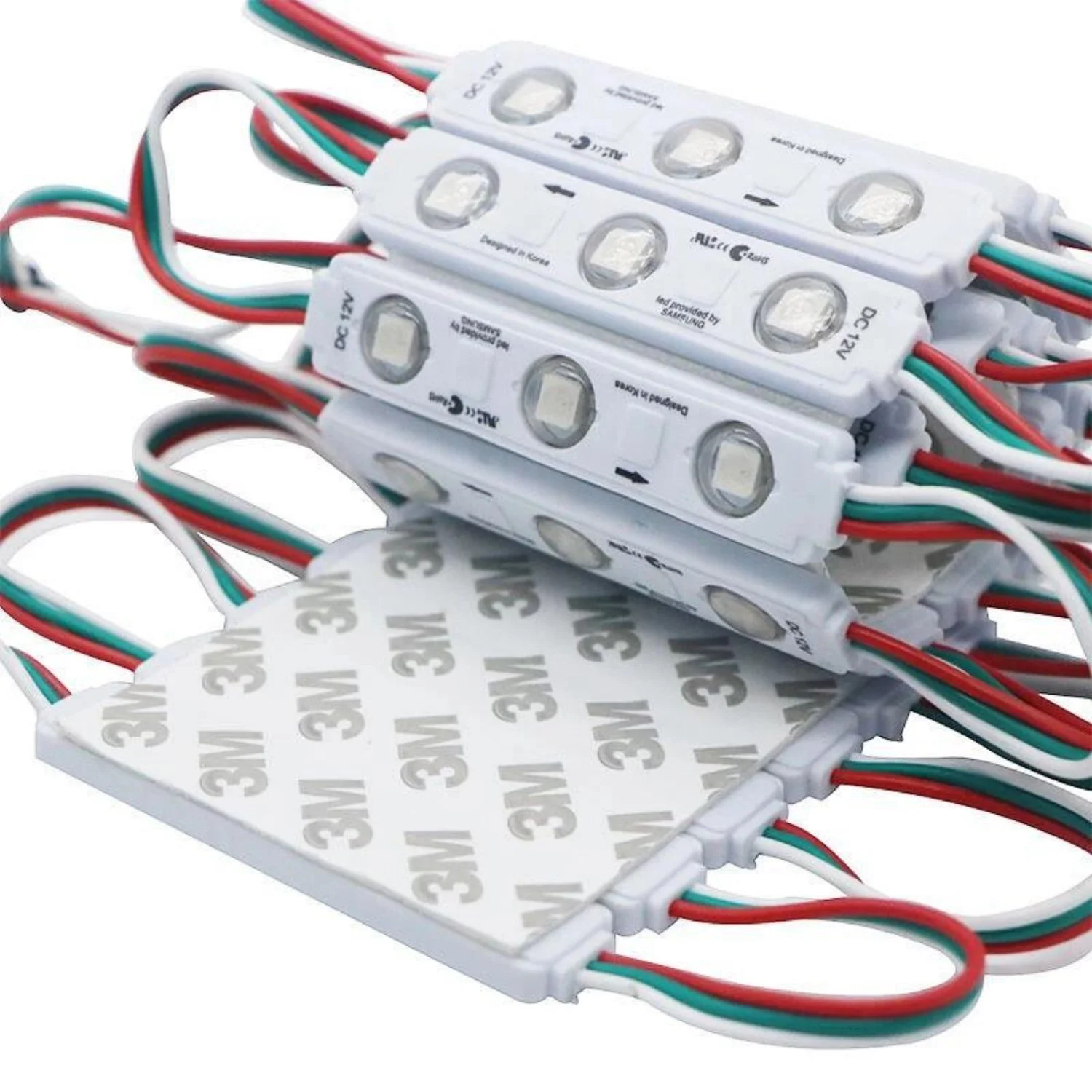
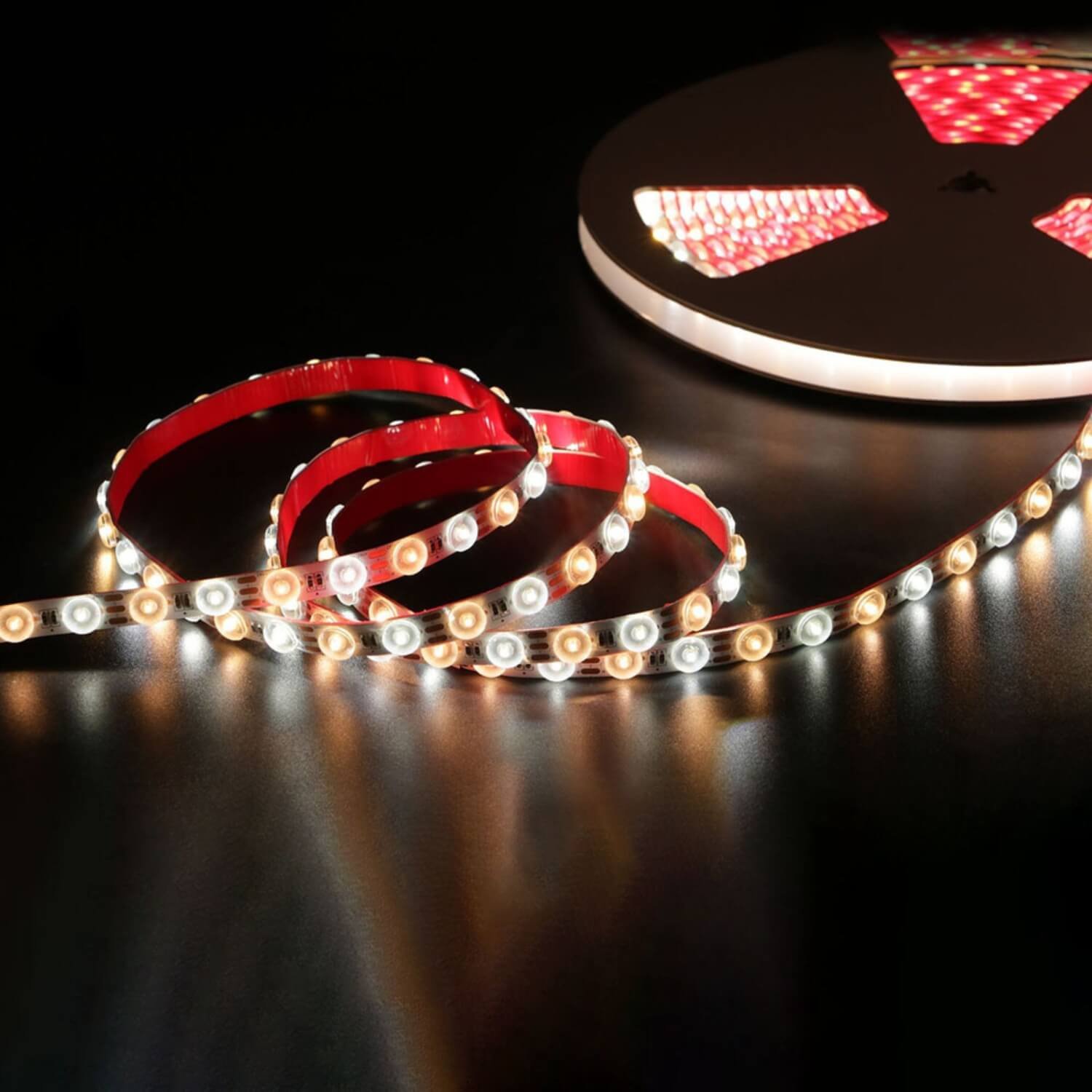
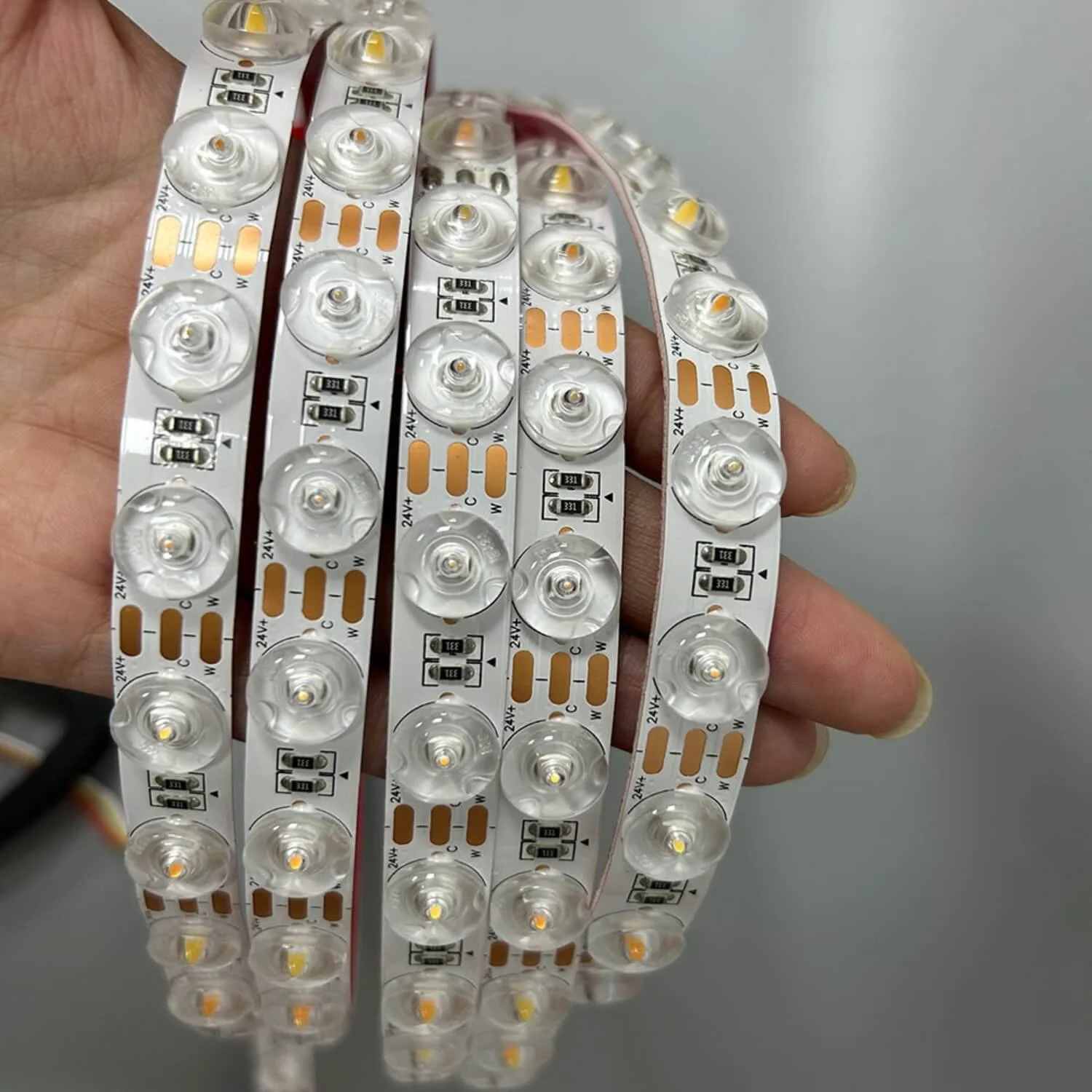
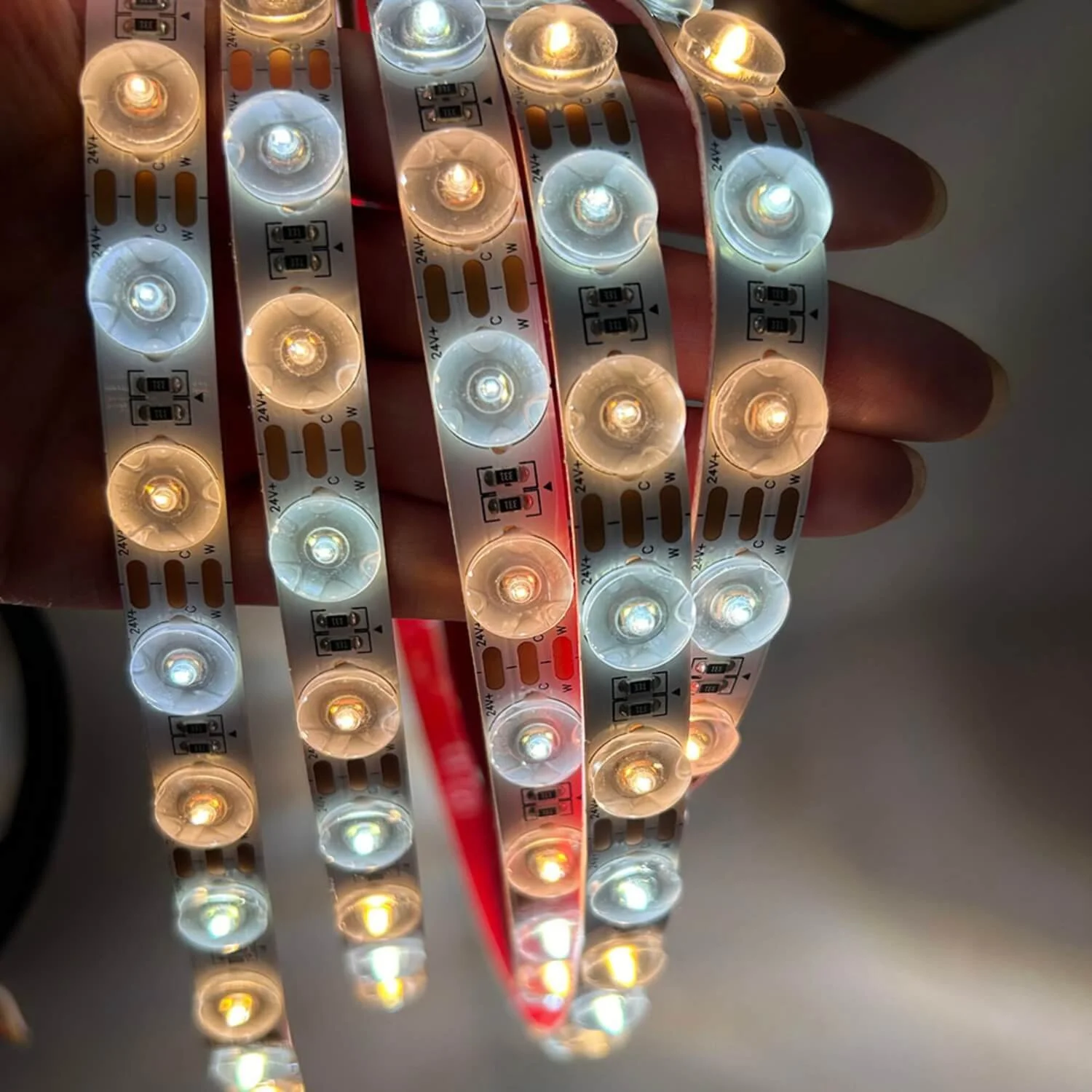
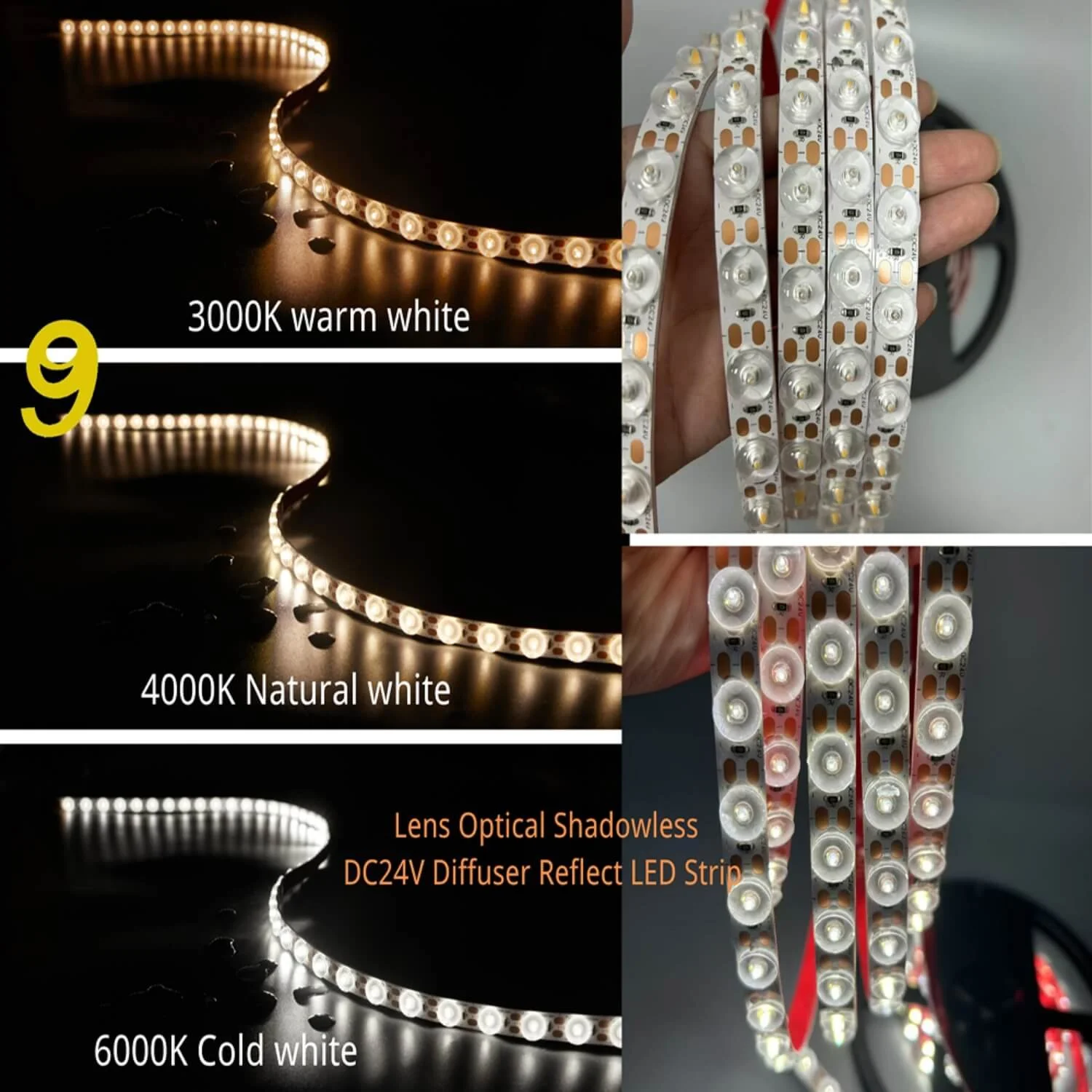
LED Strip — 180 Diodes per Metre (High‑Density Linear Lighting)
Product overview:
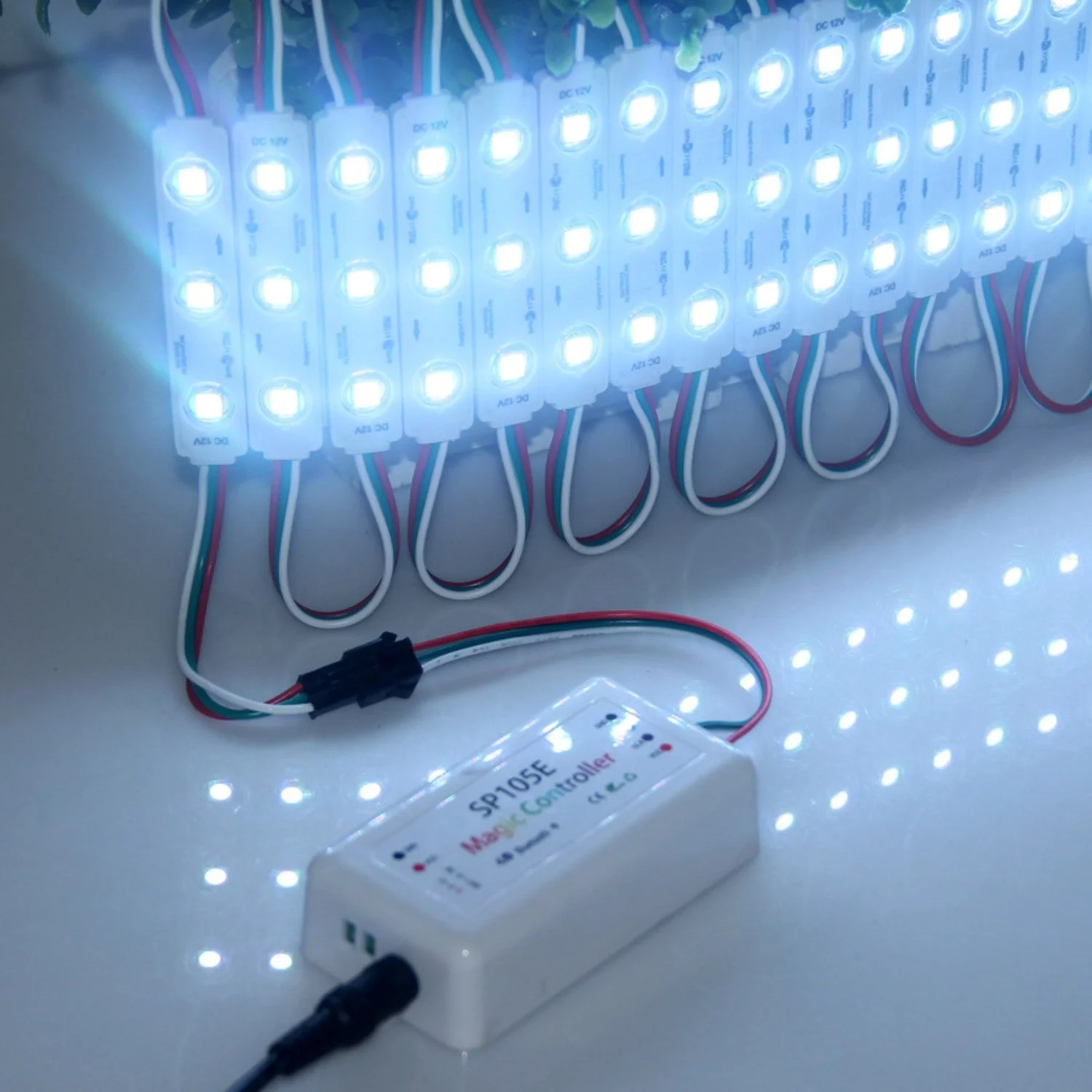
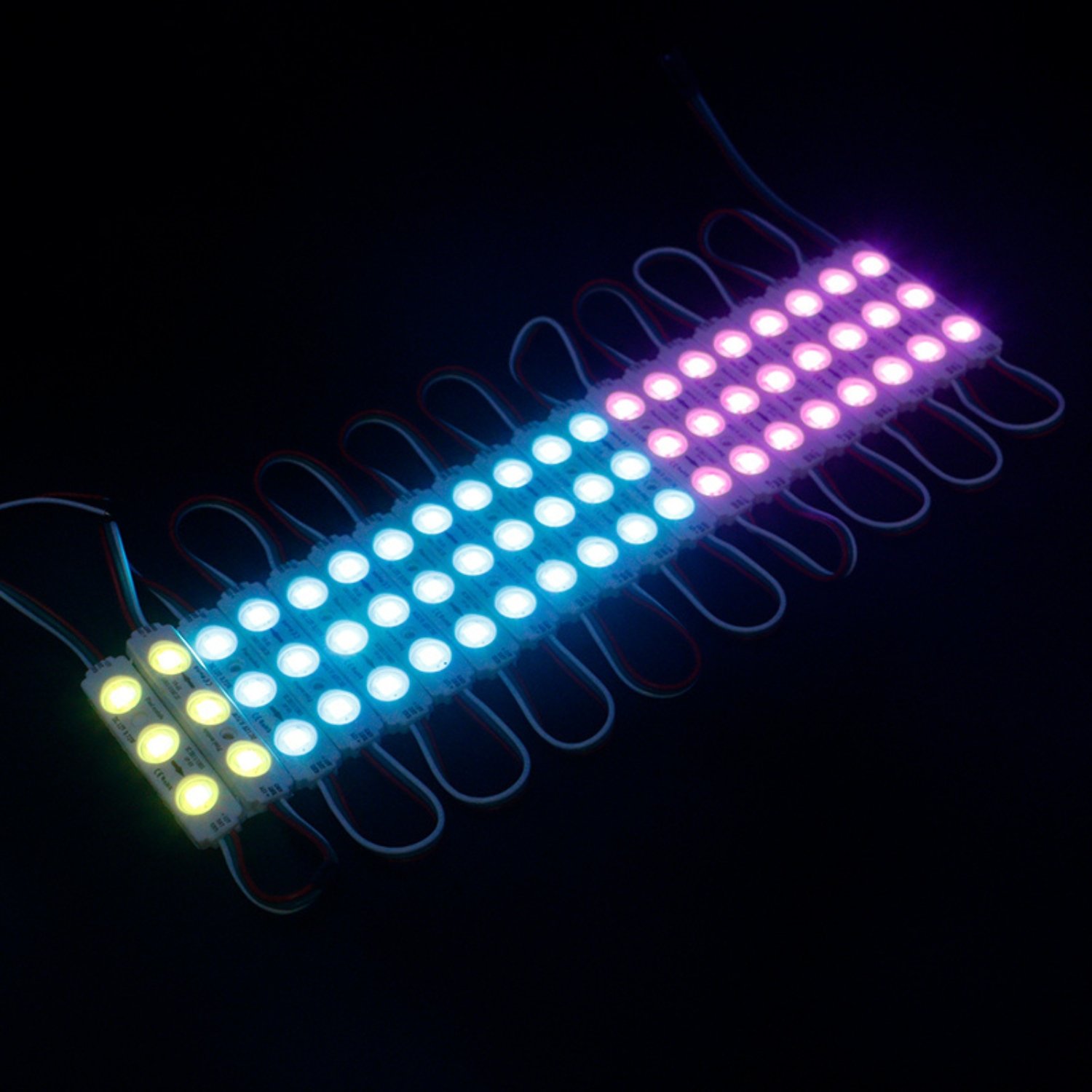
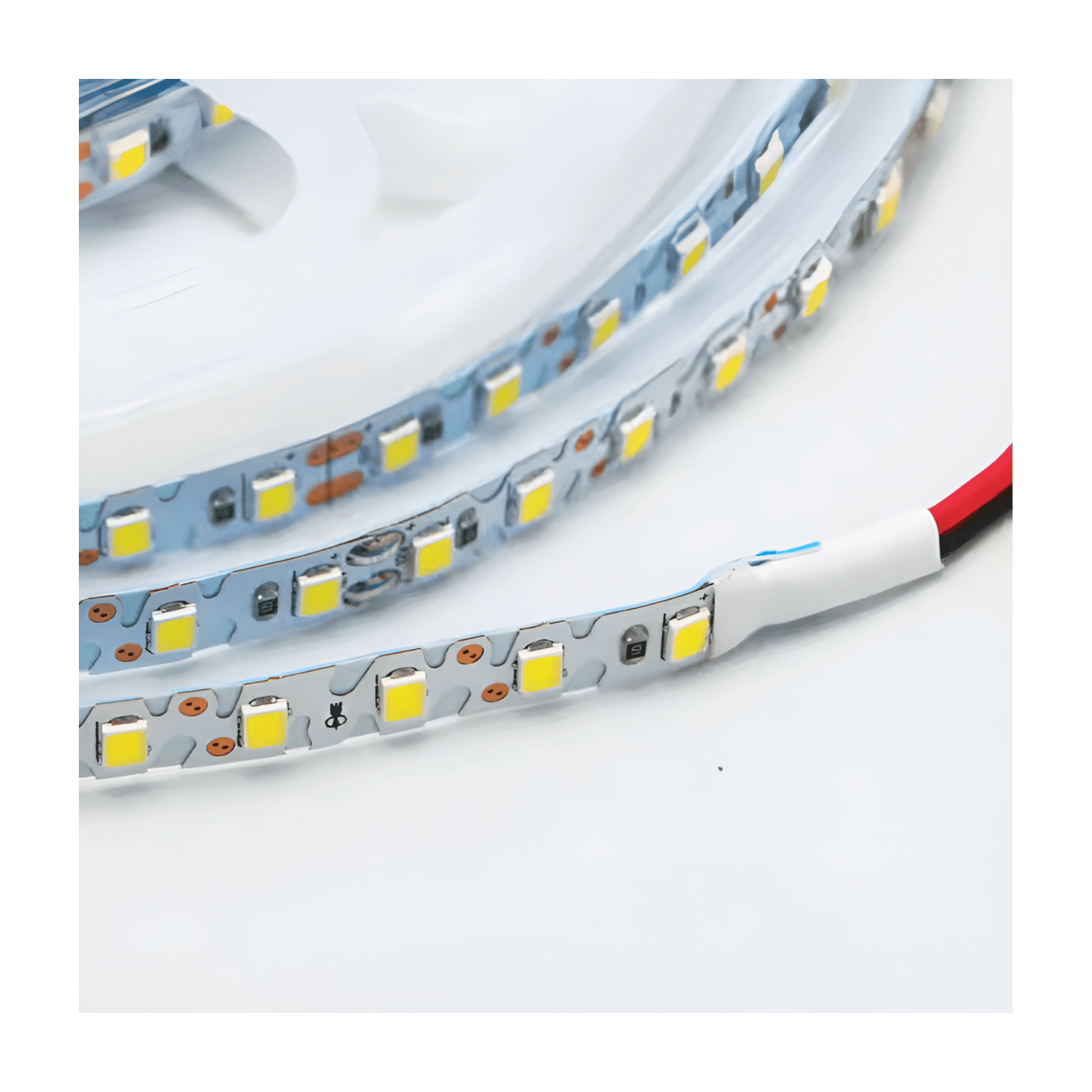
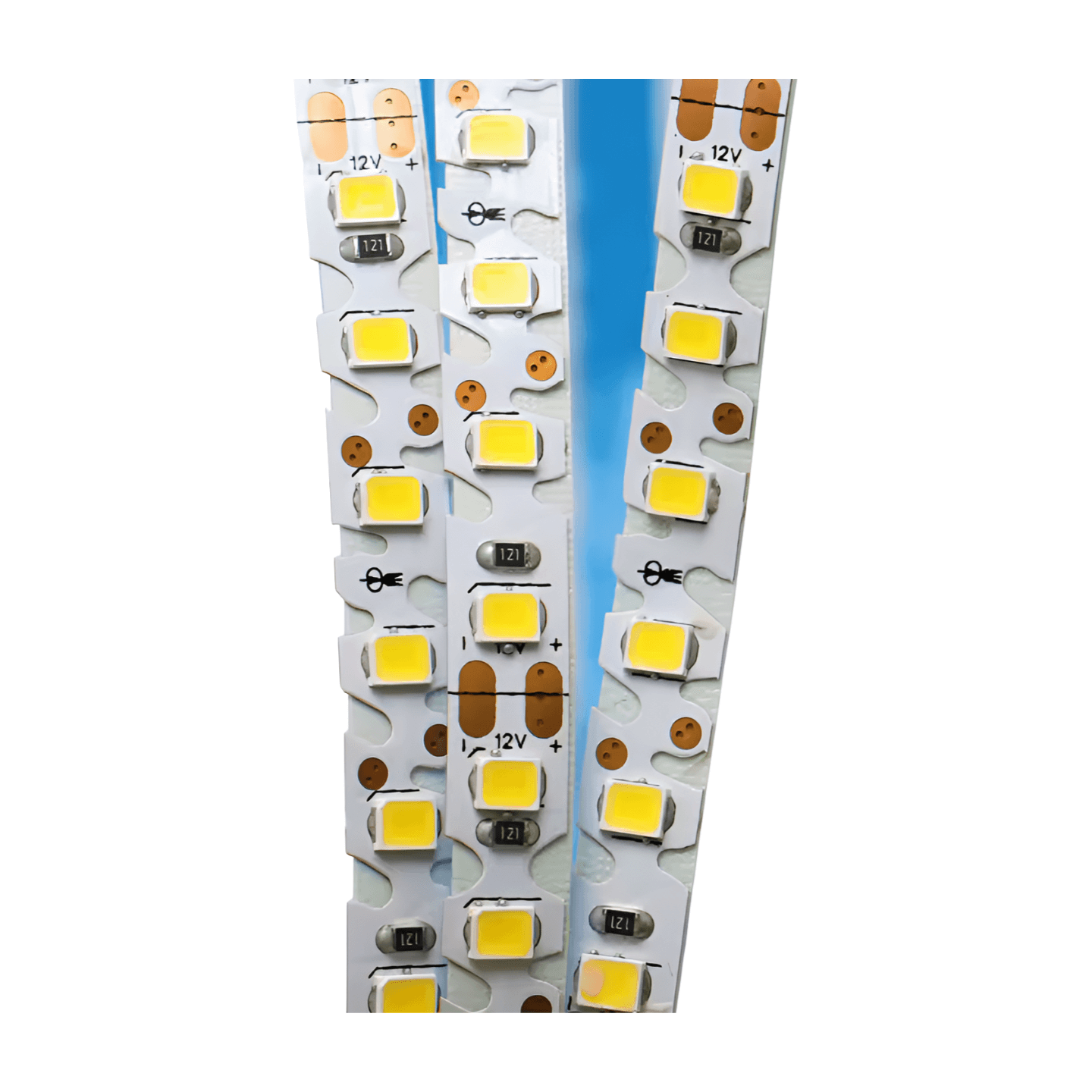
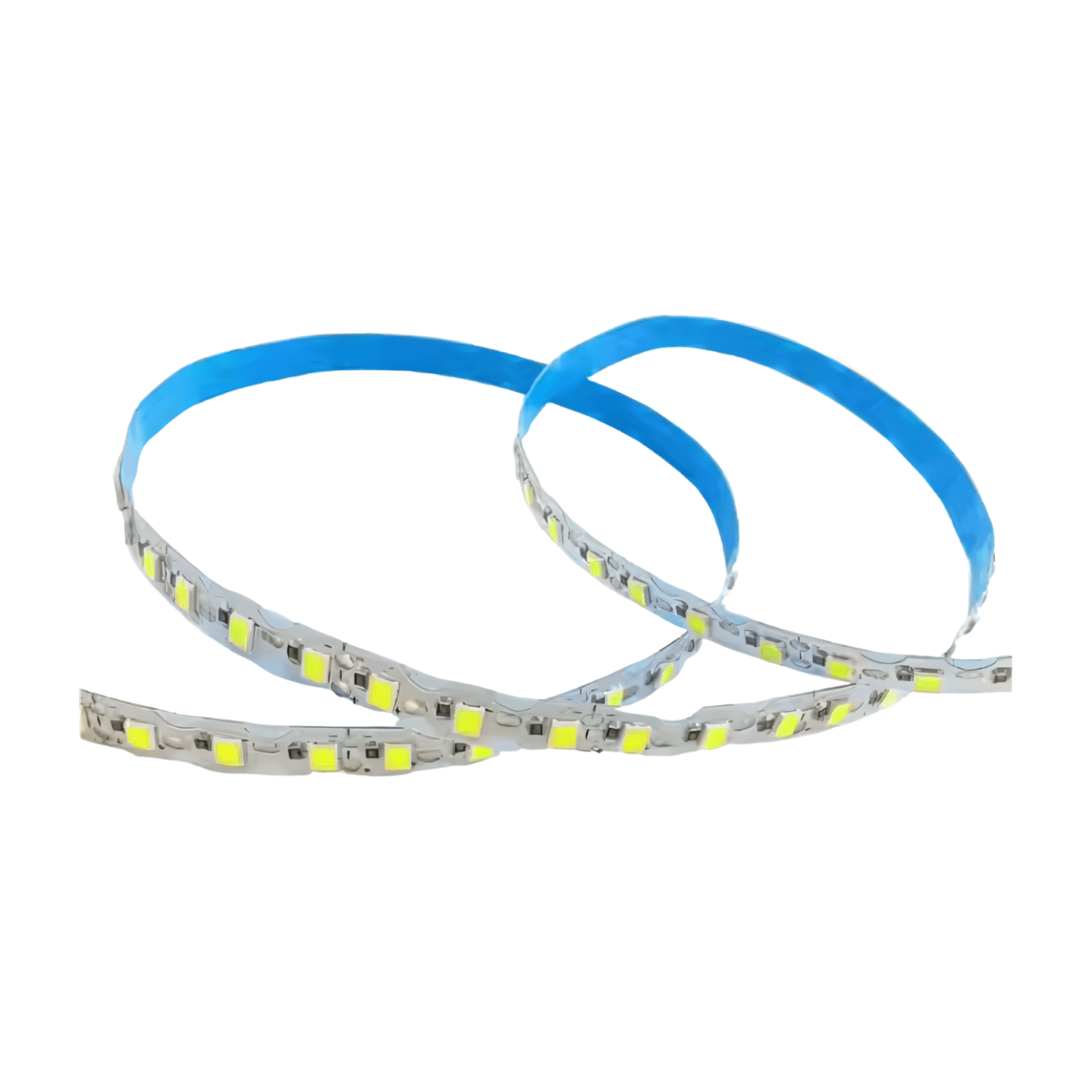
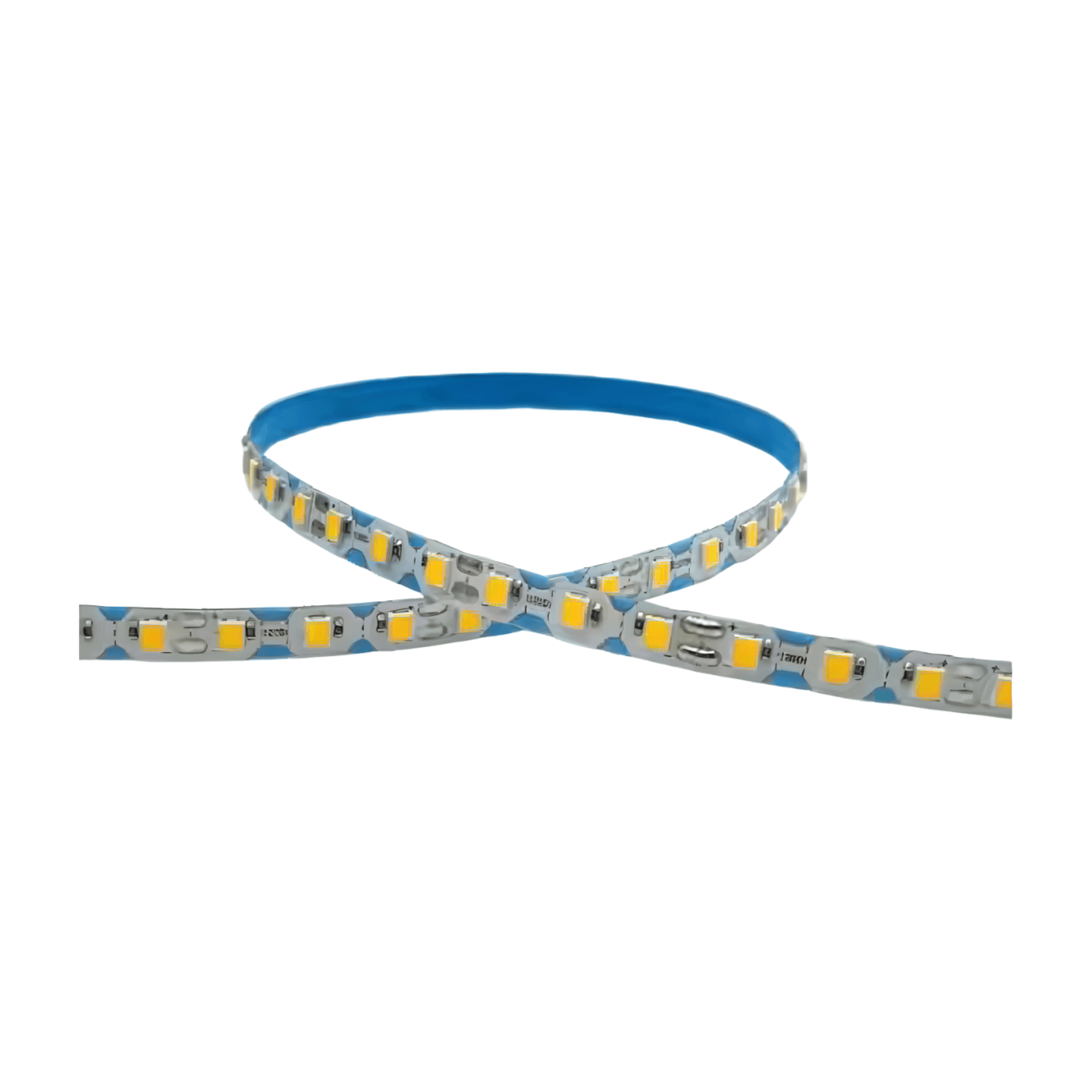
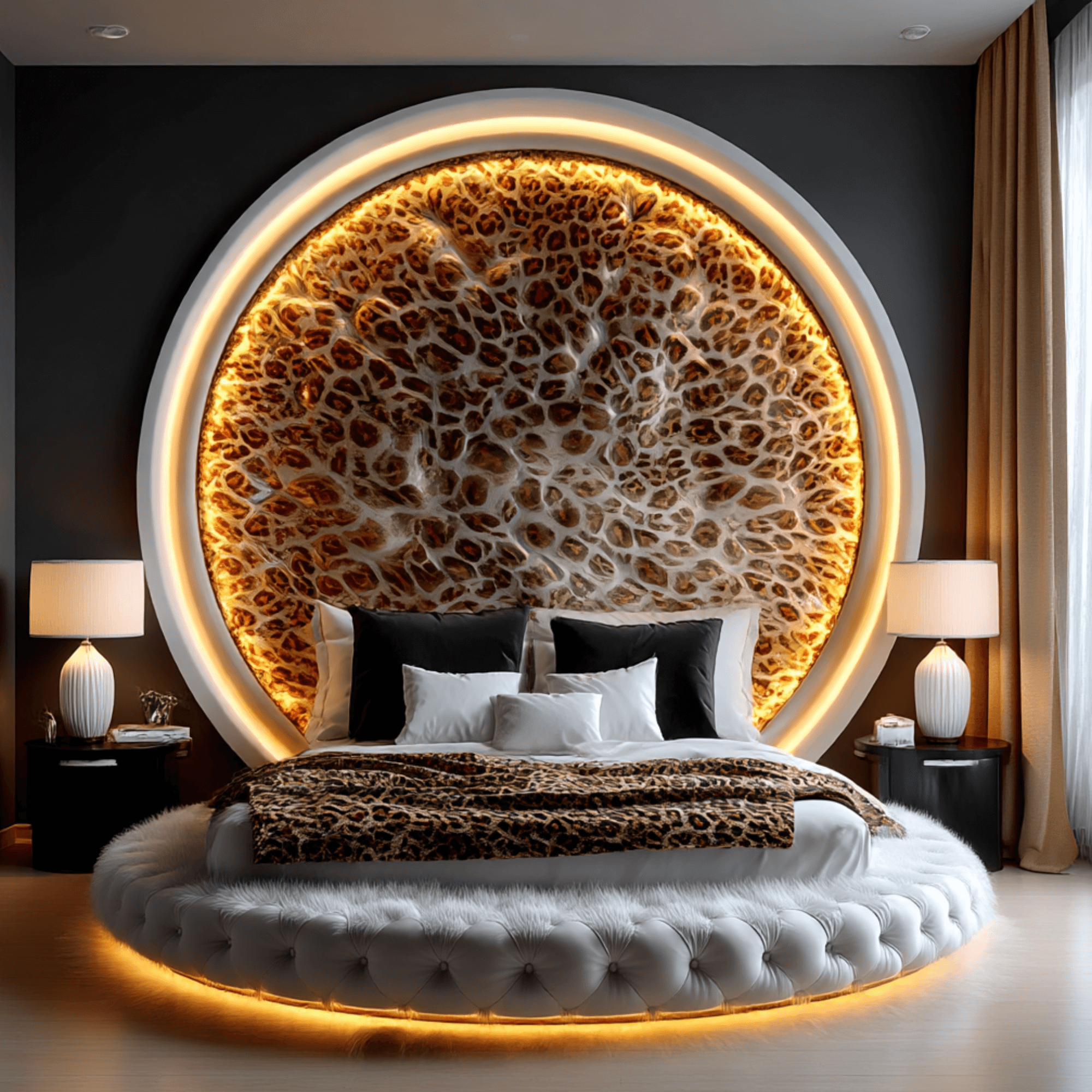
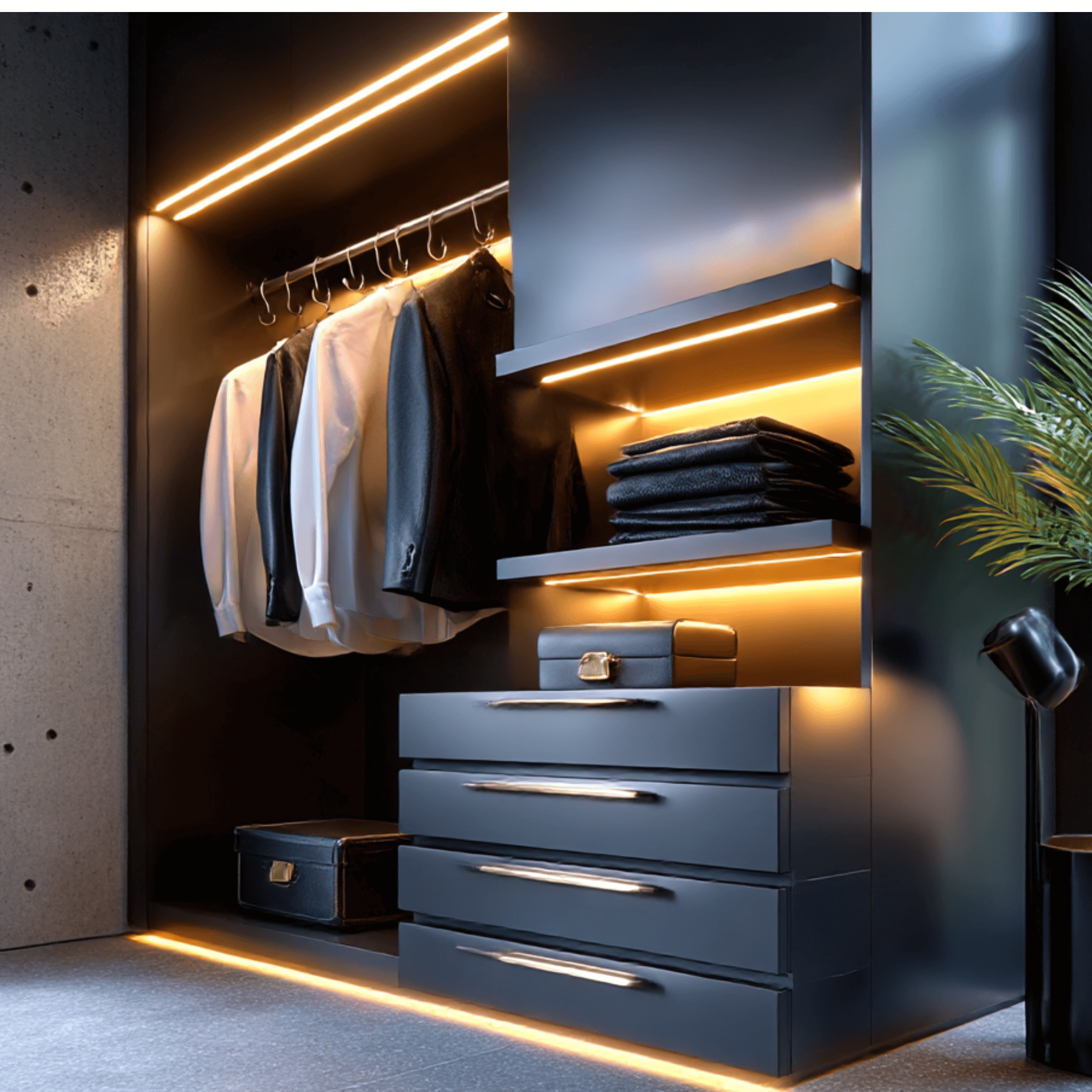
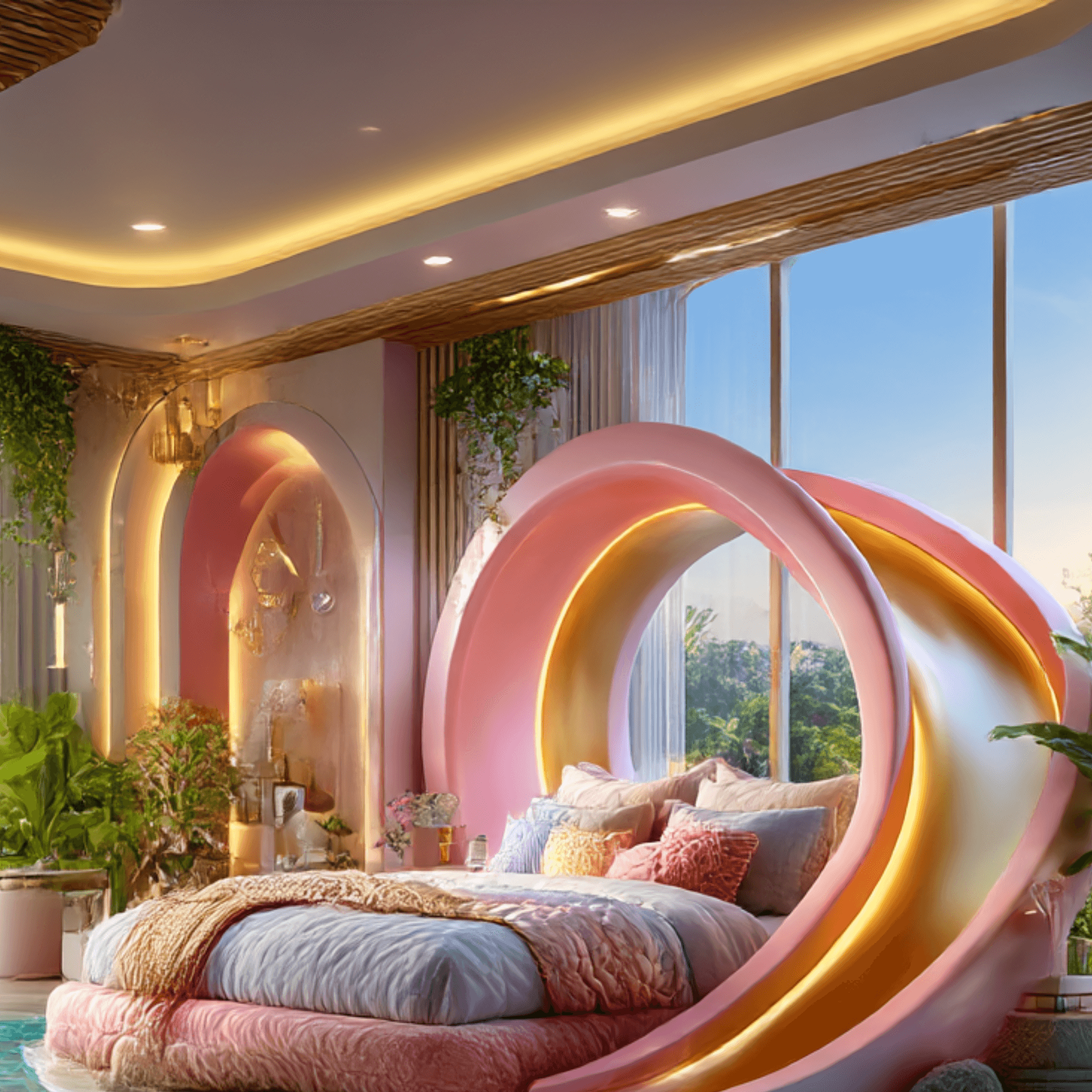
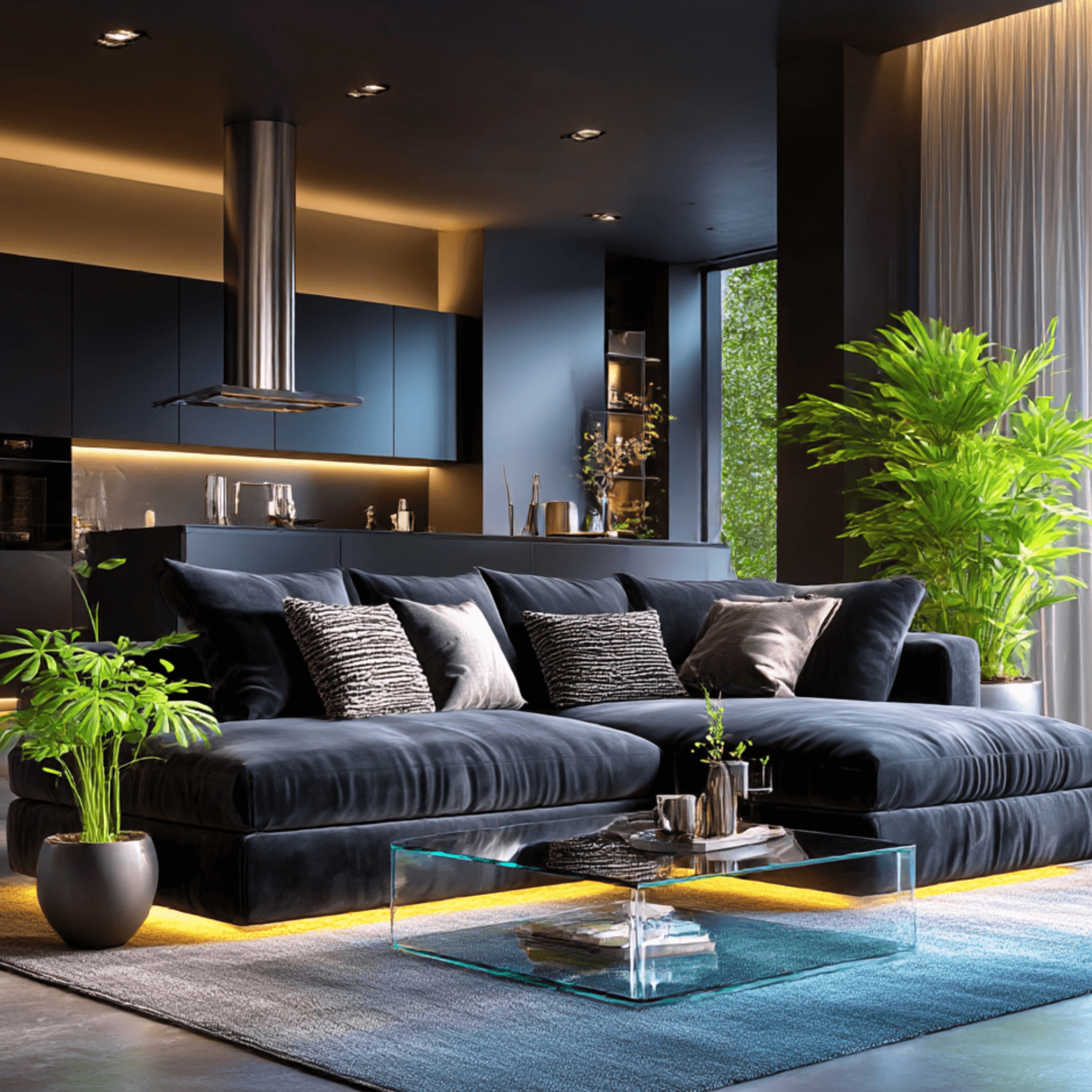
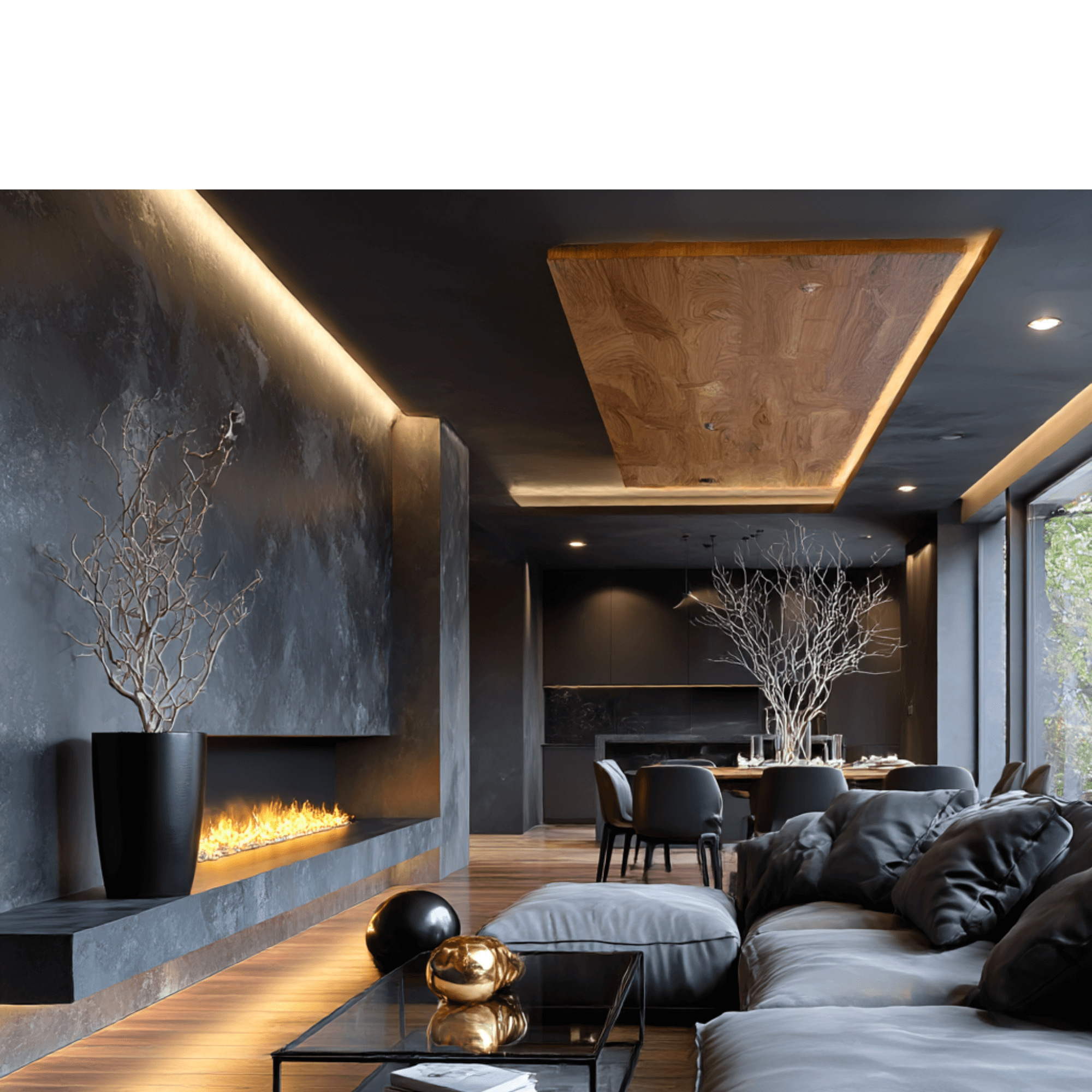
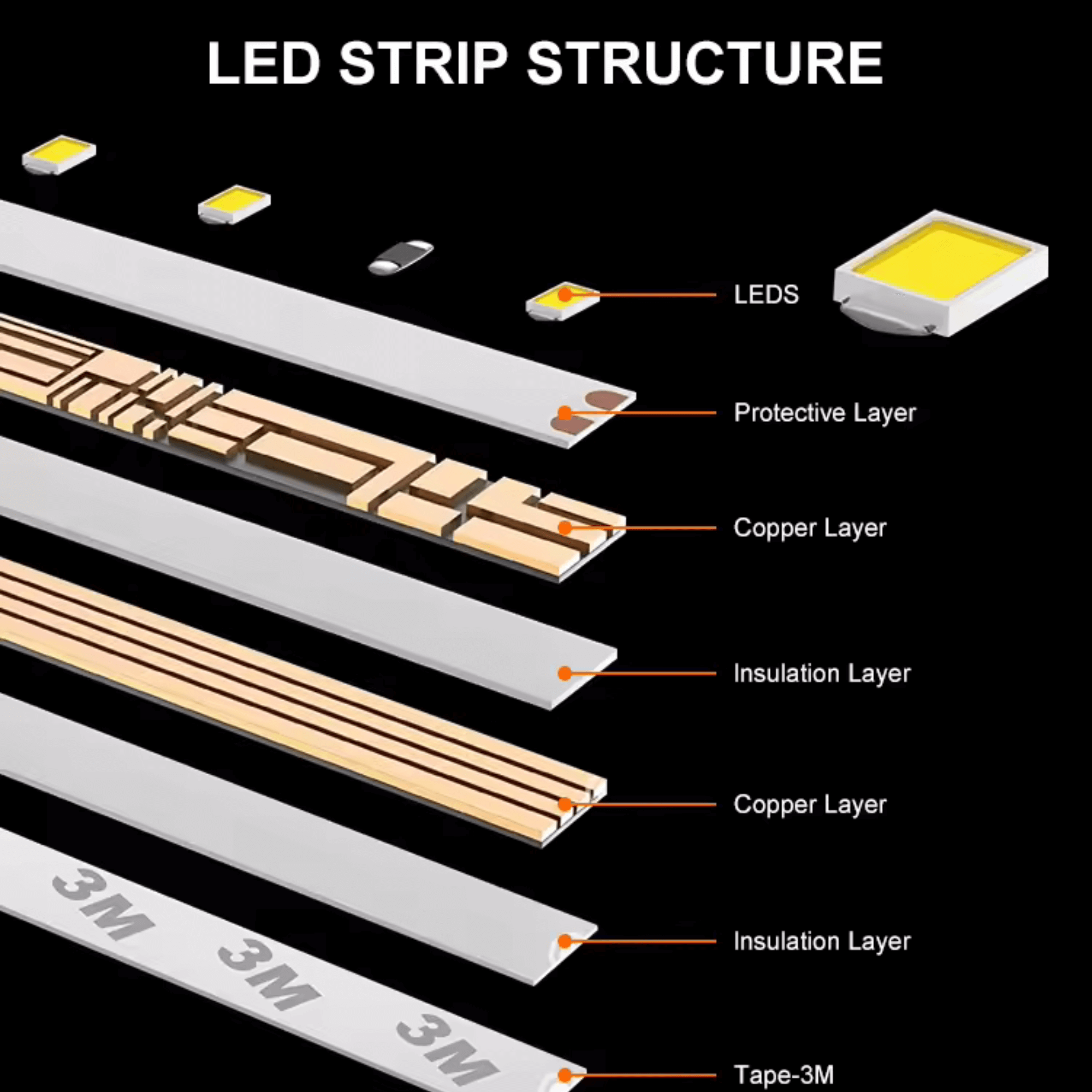
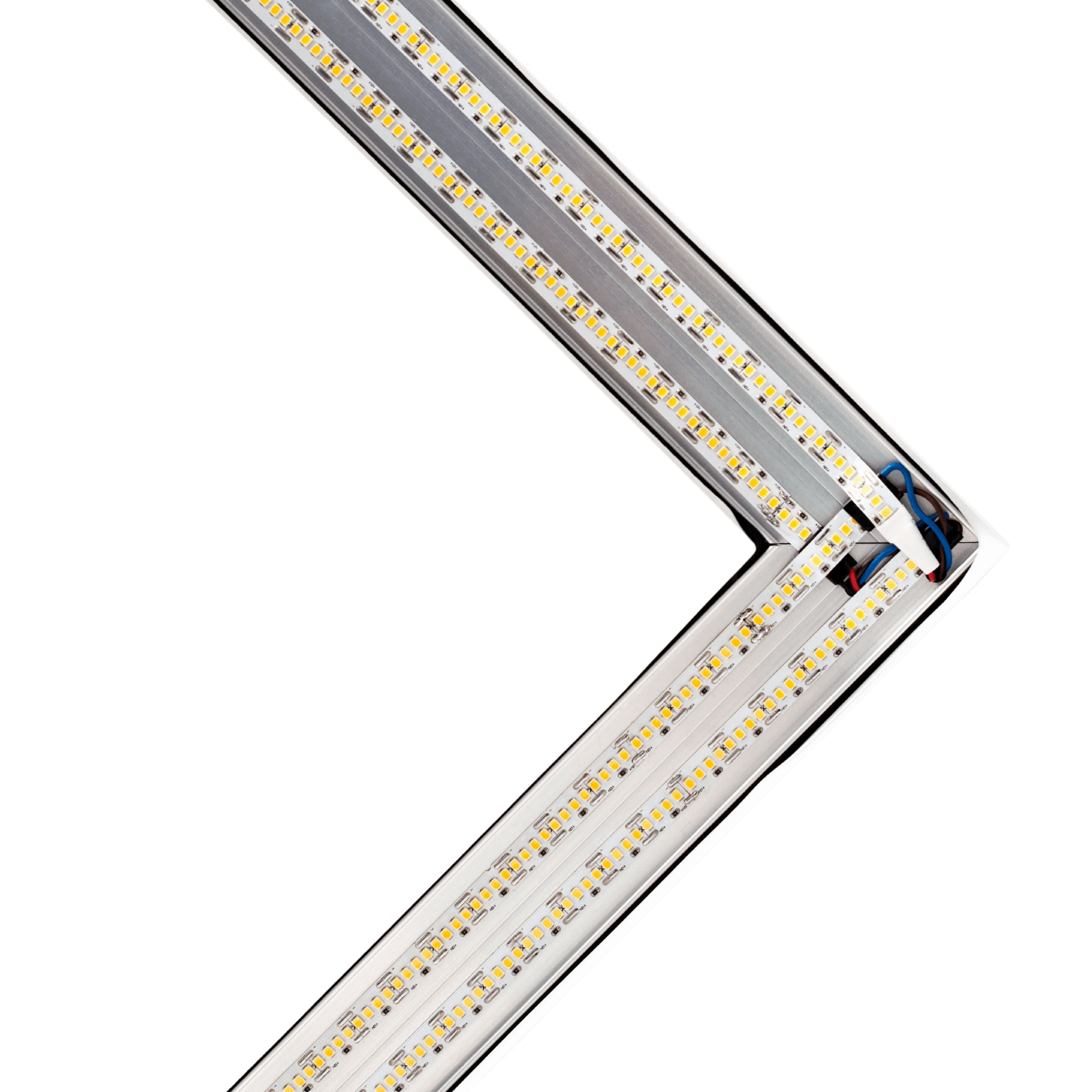
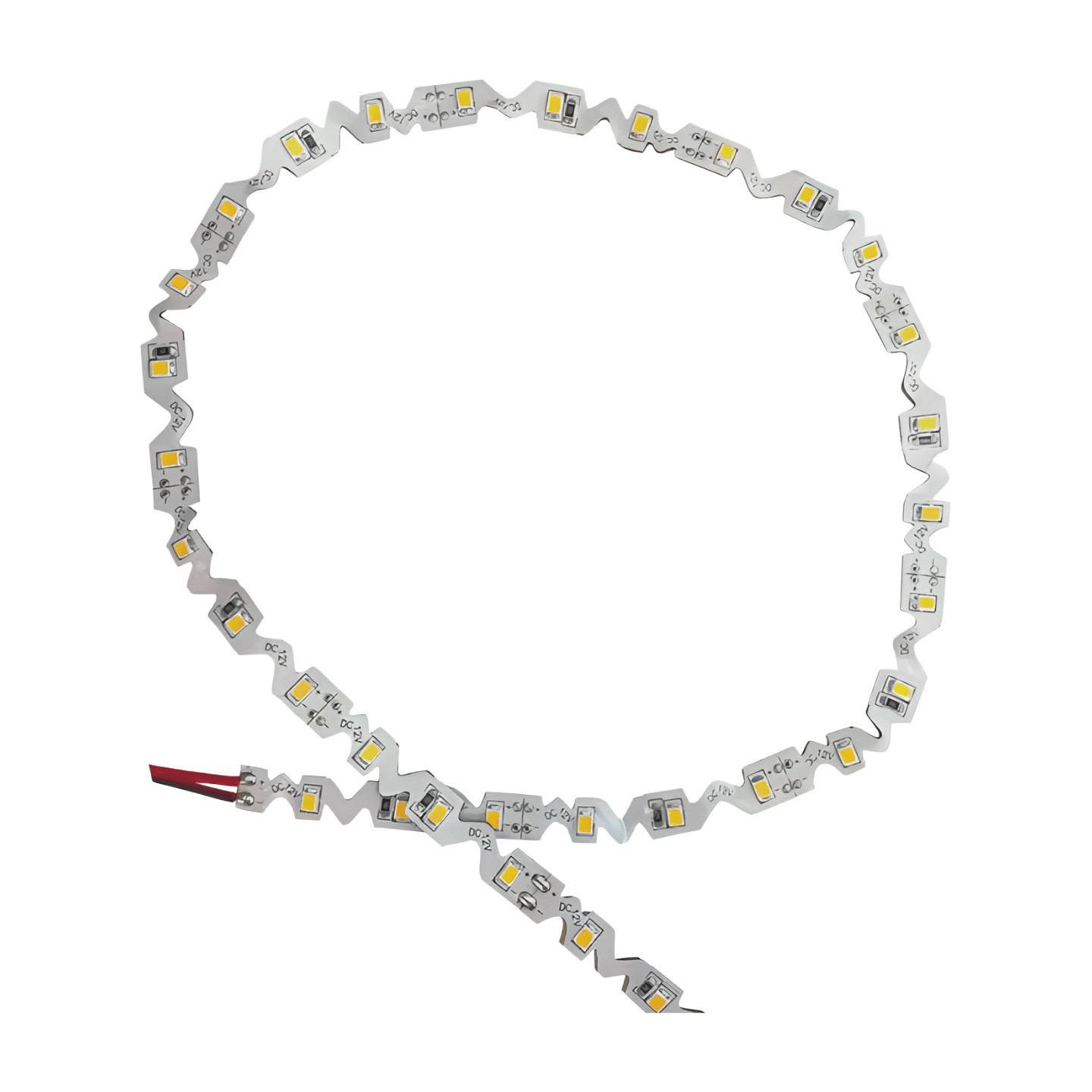
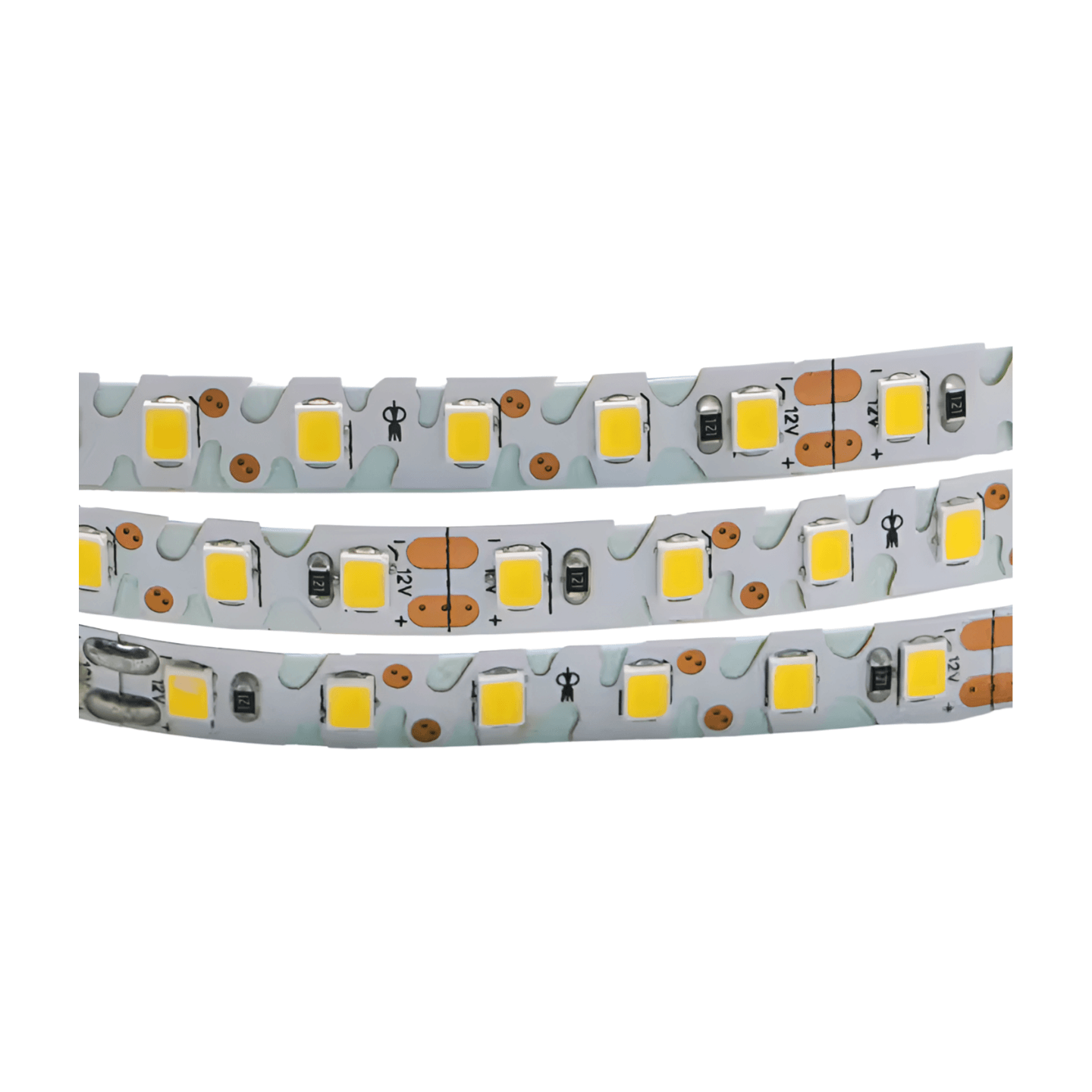
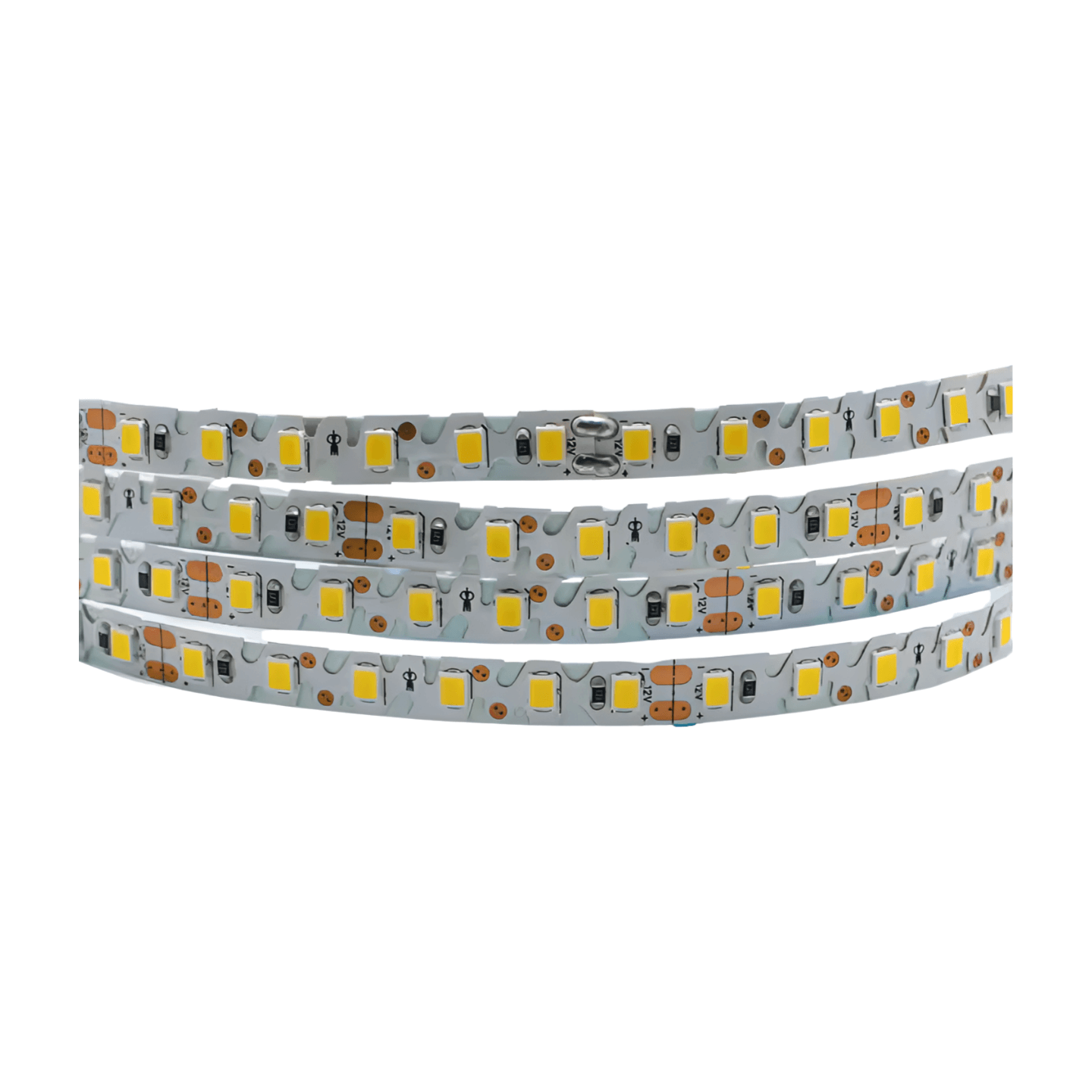
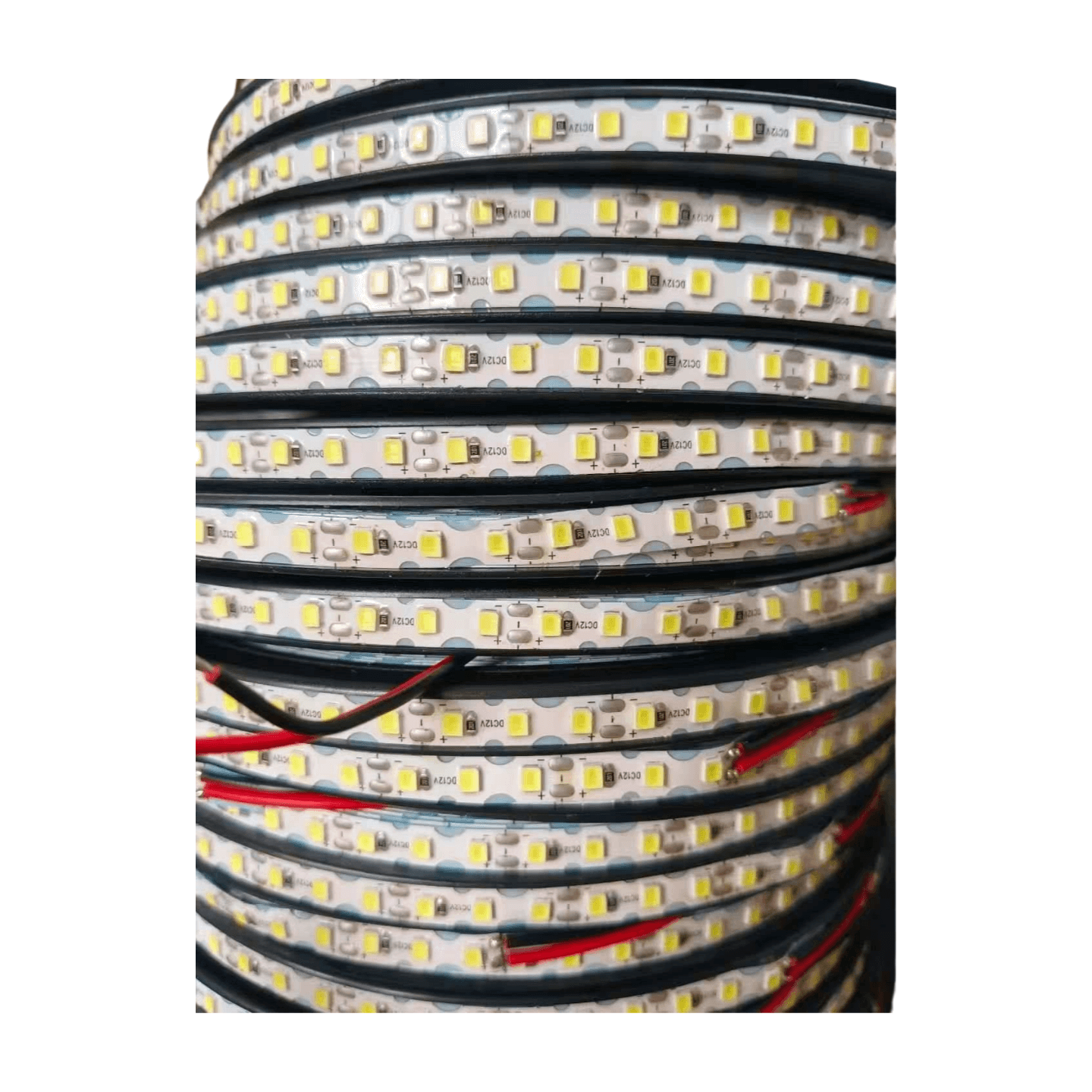
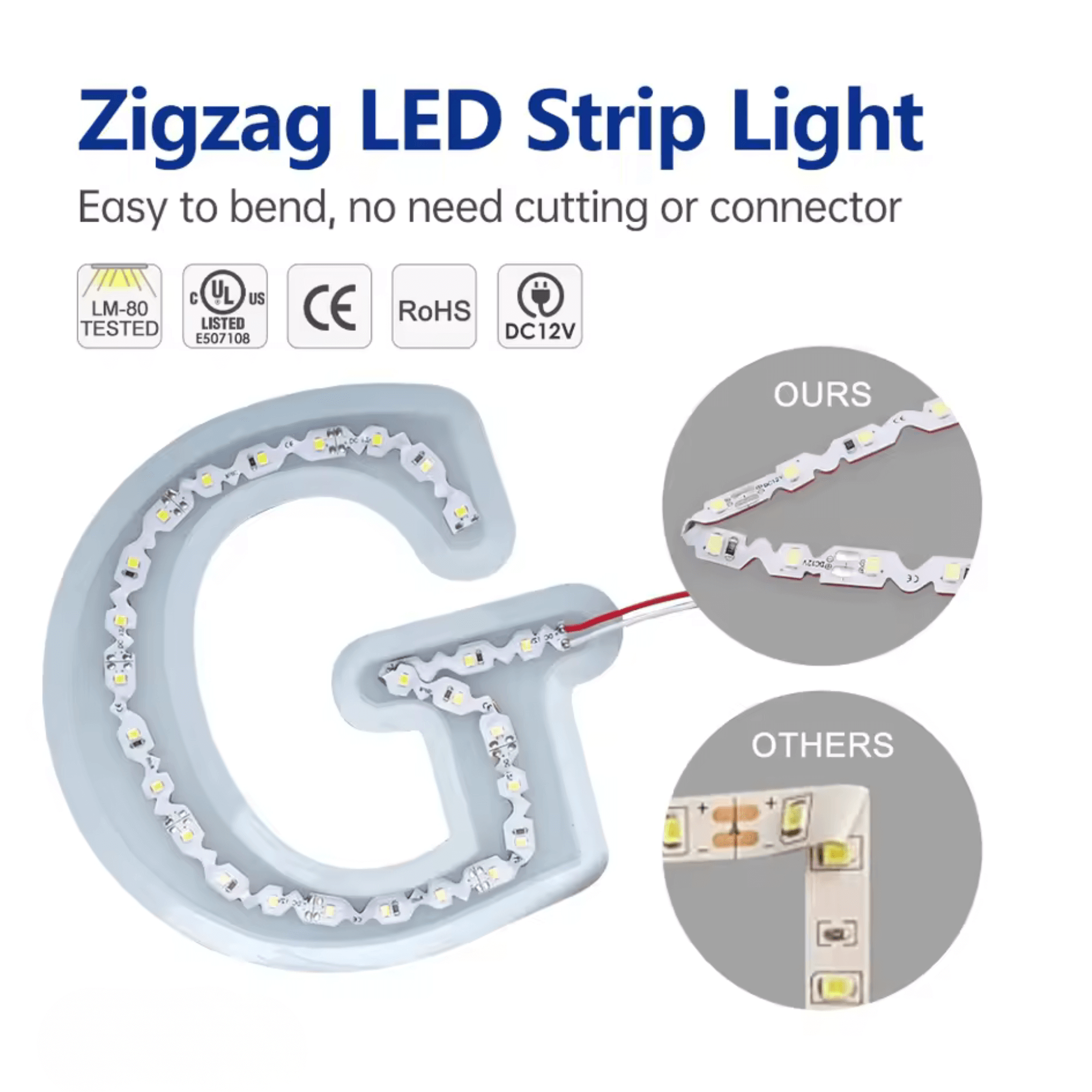
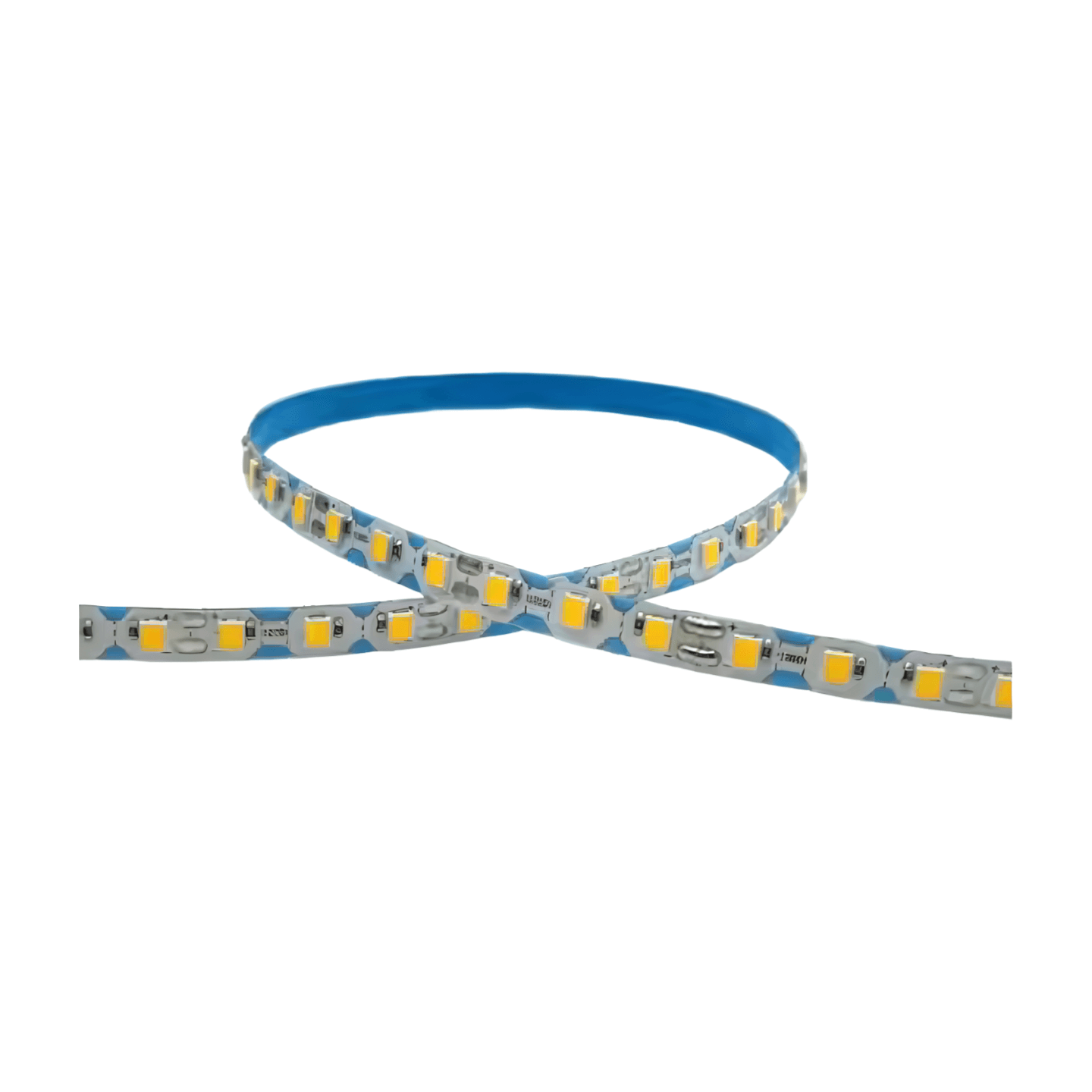
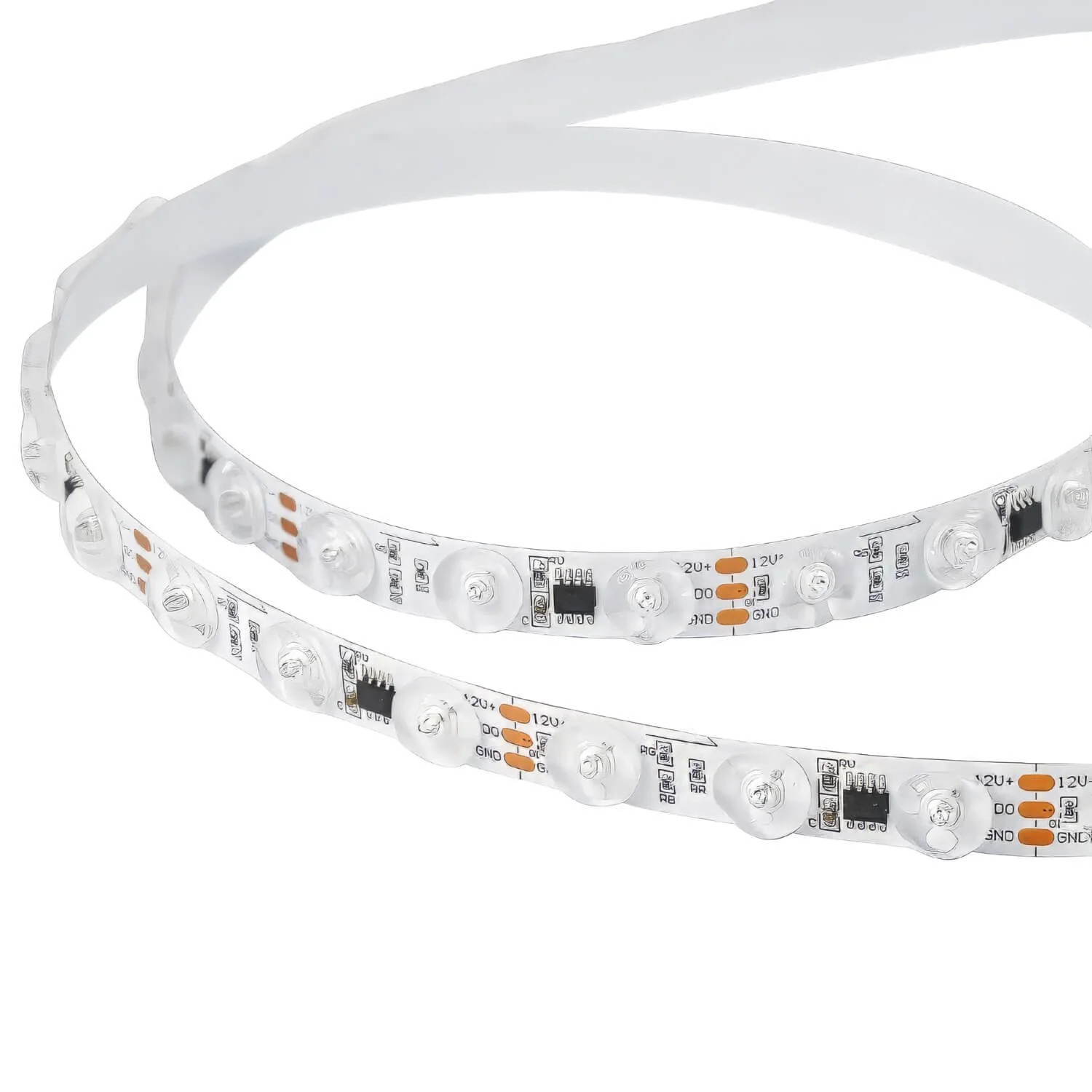
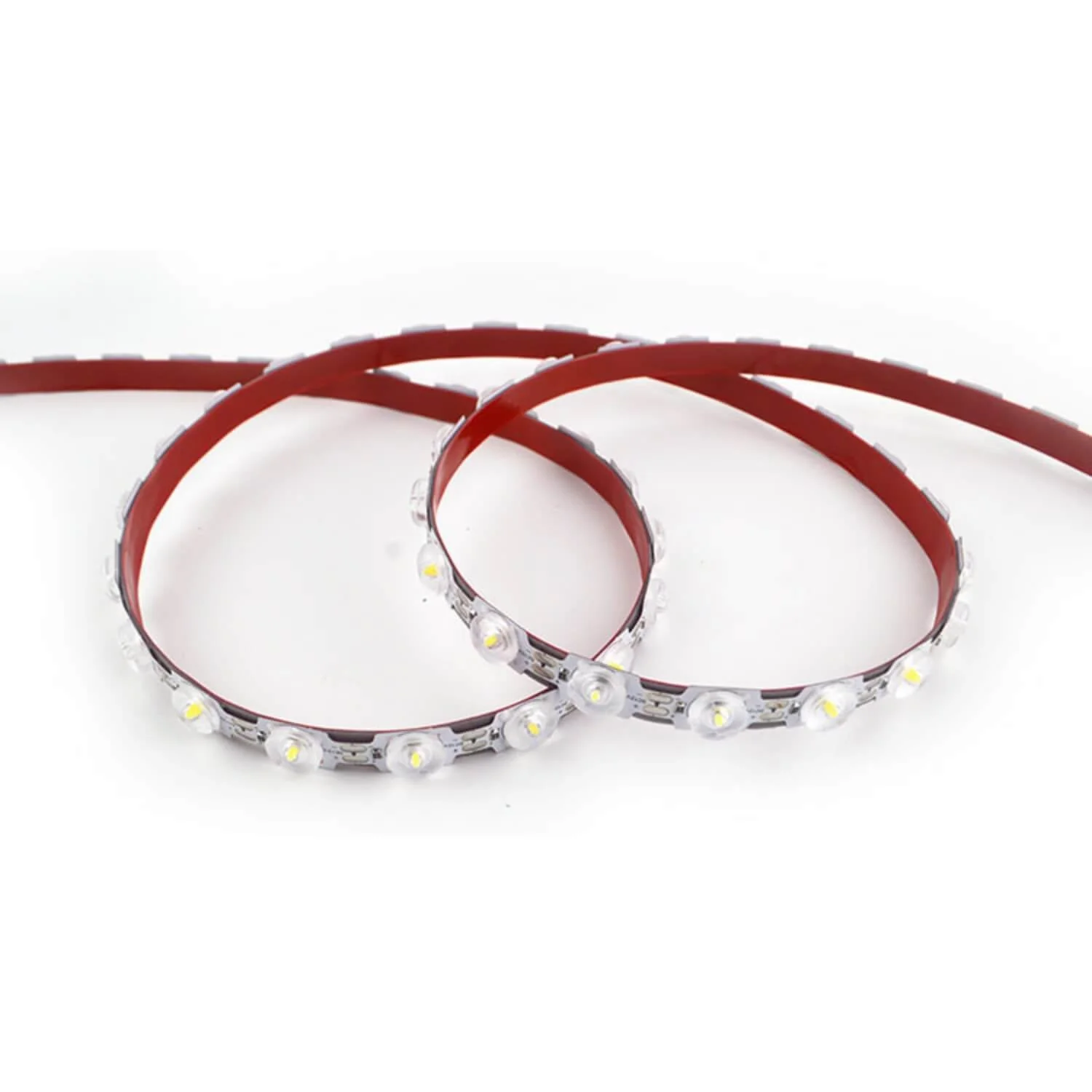
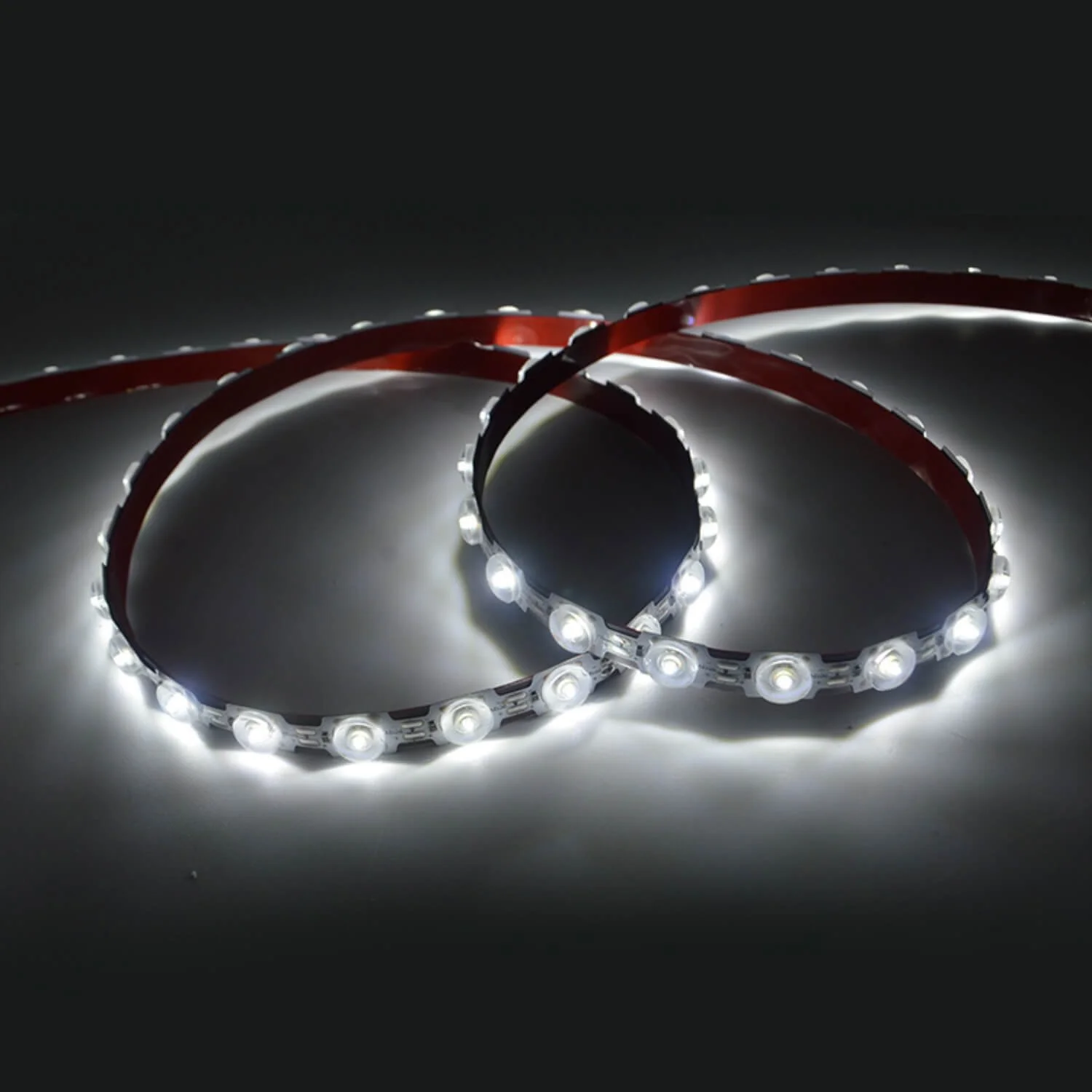
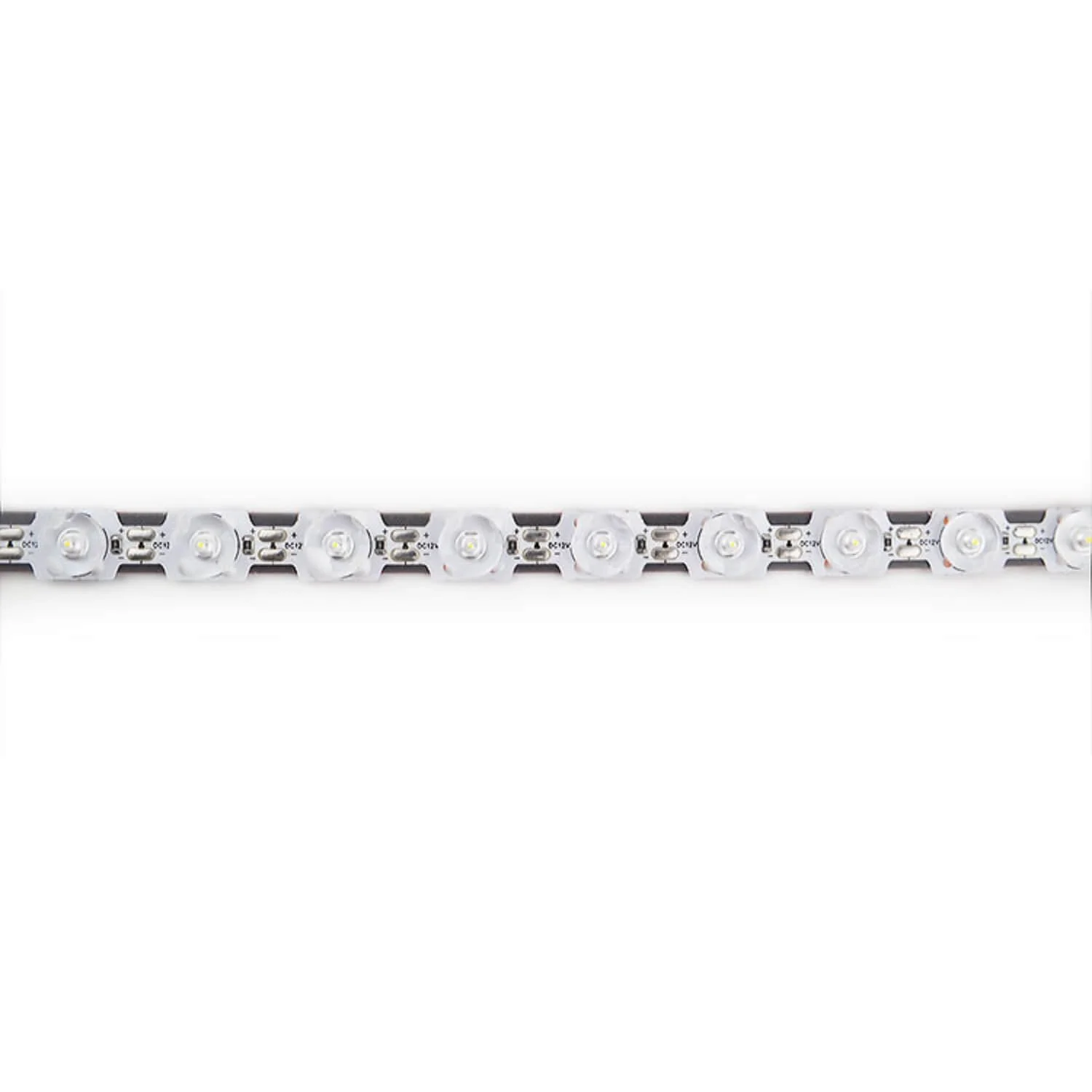
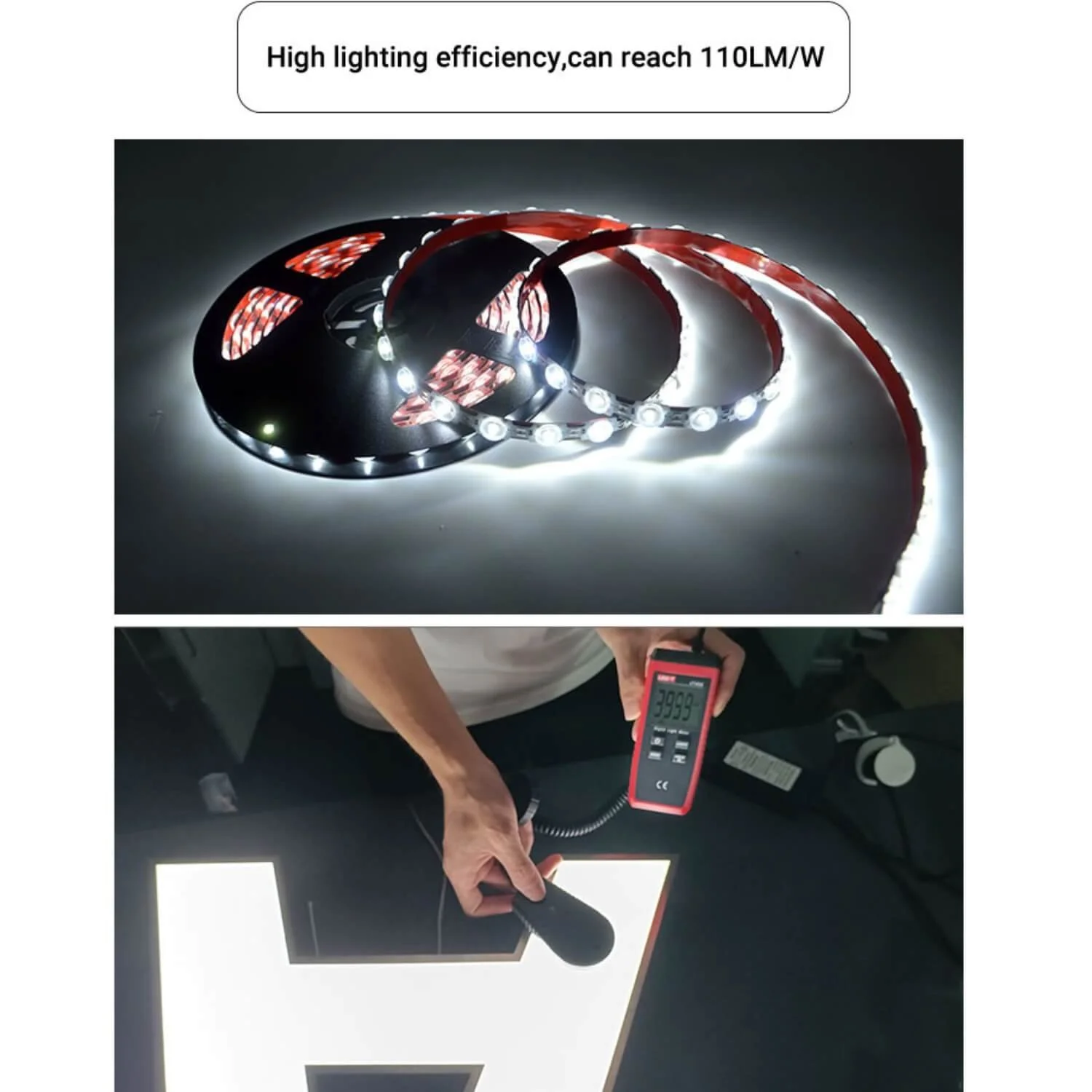
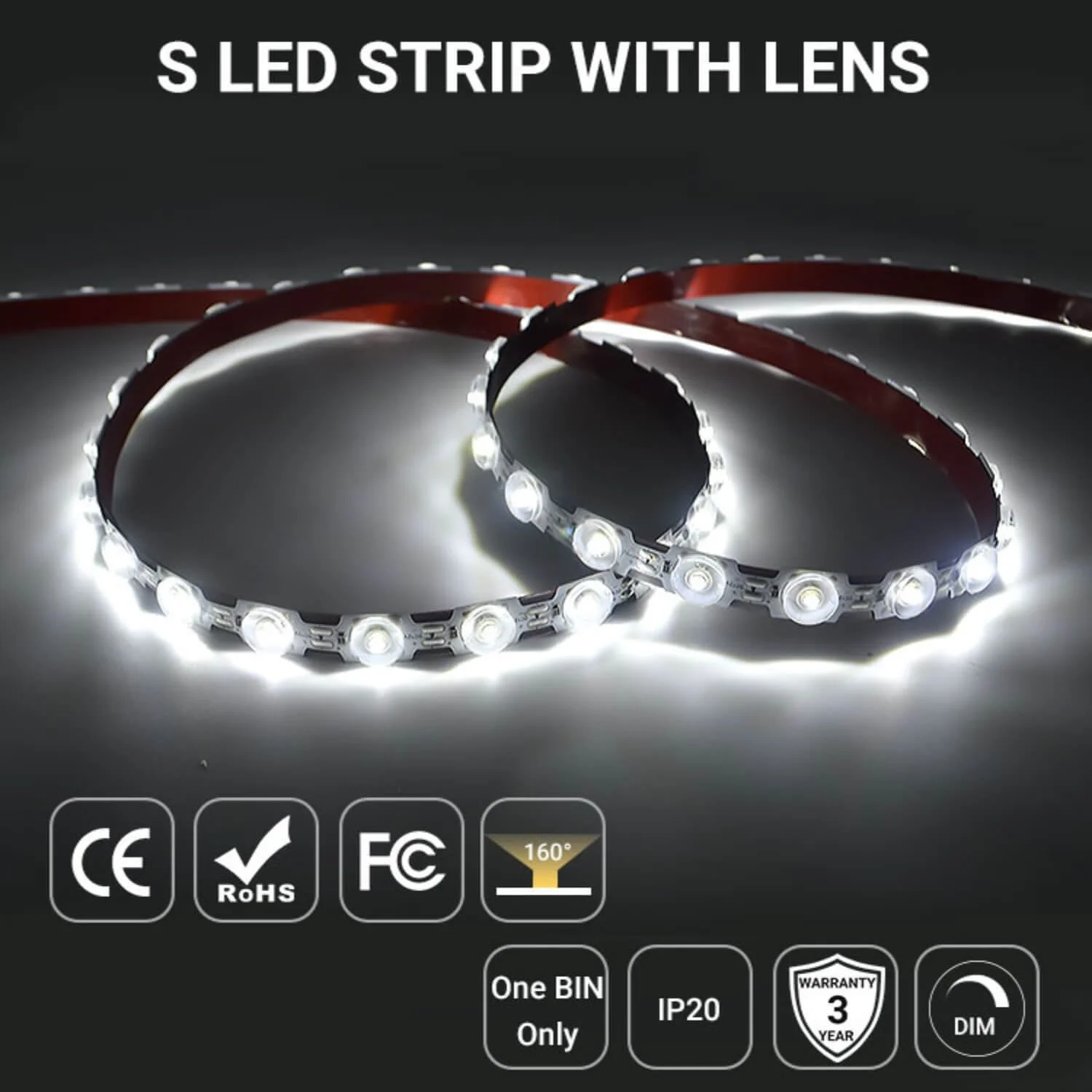
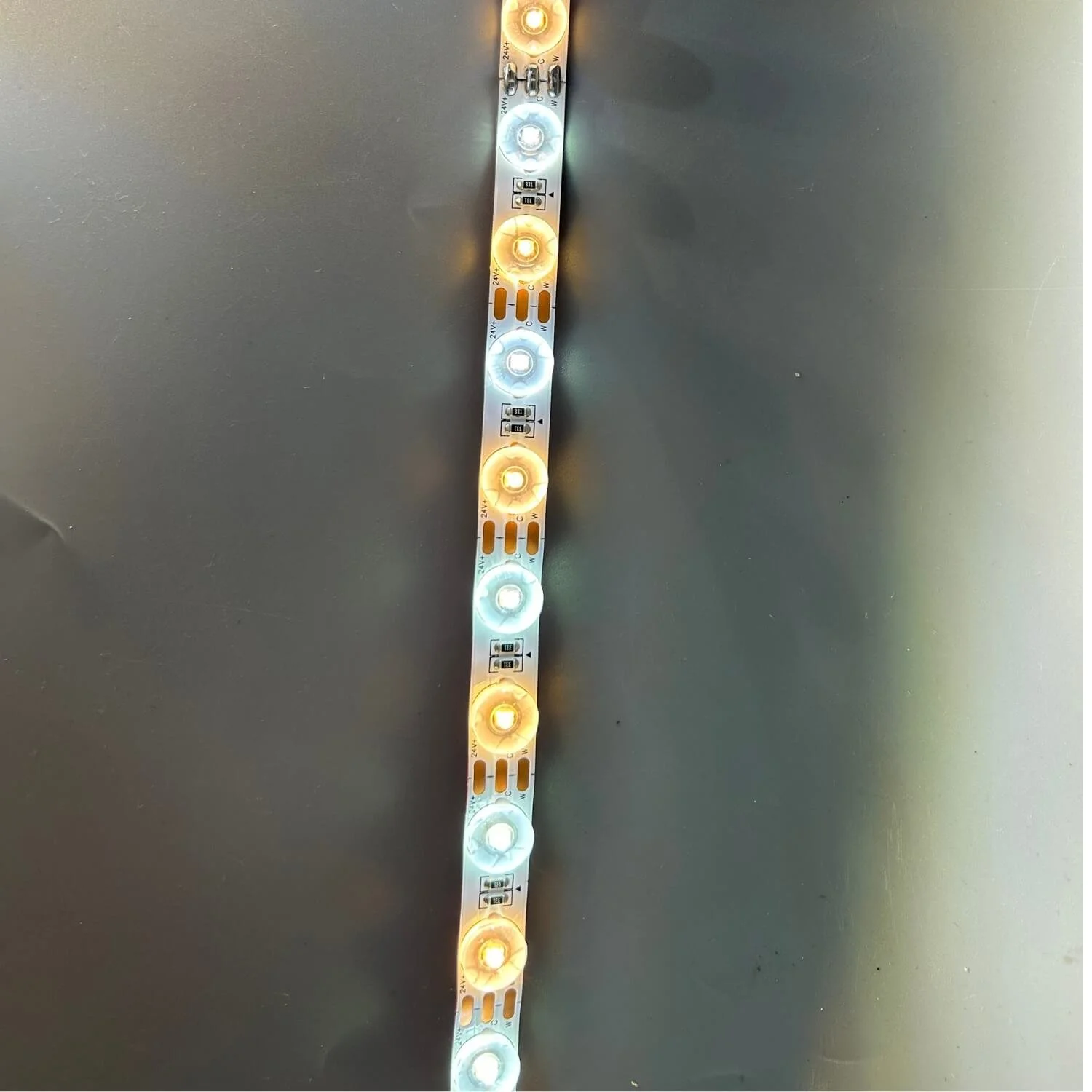
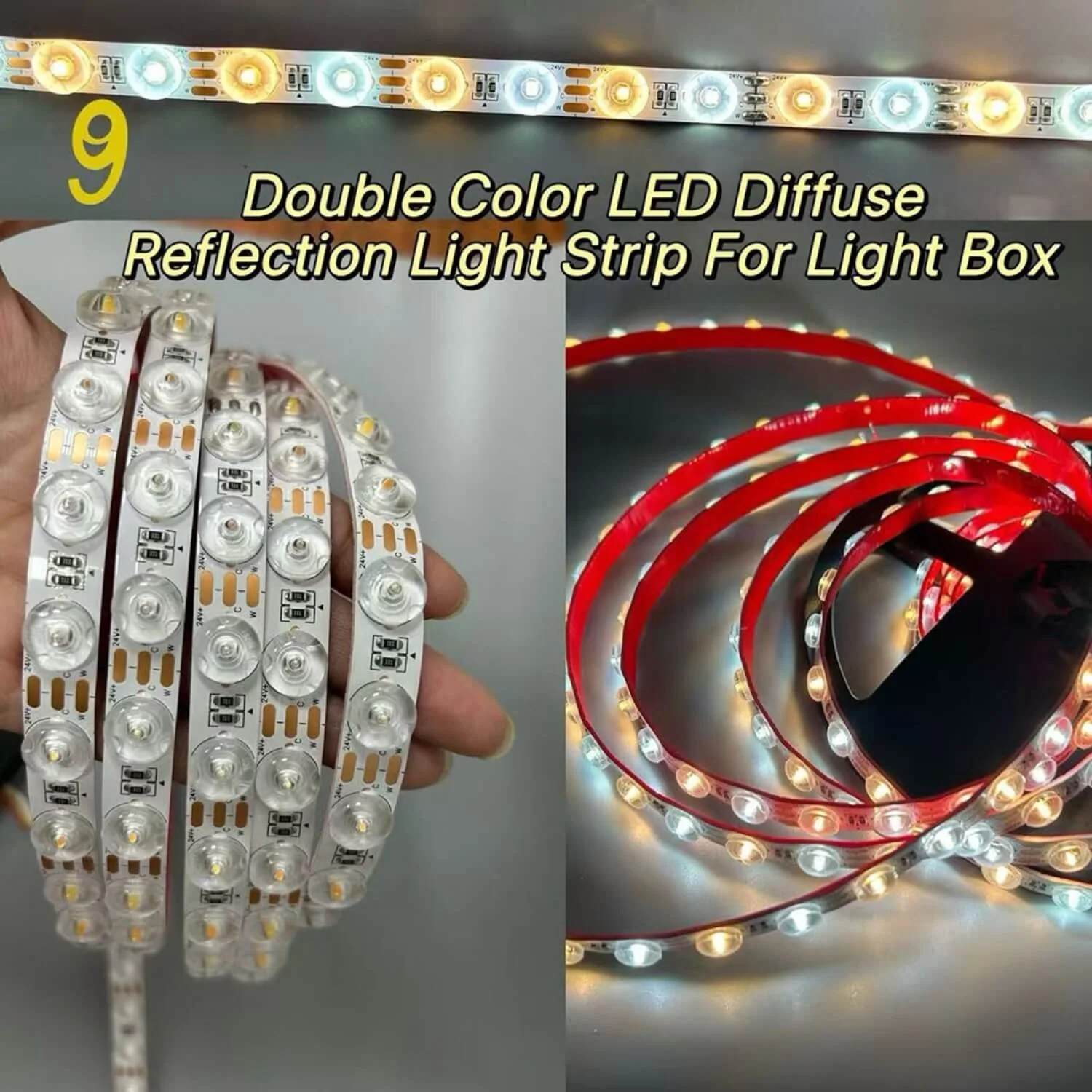
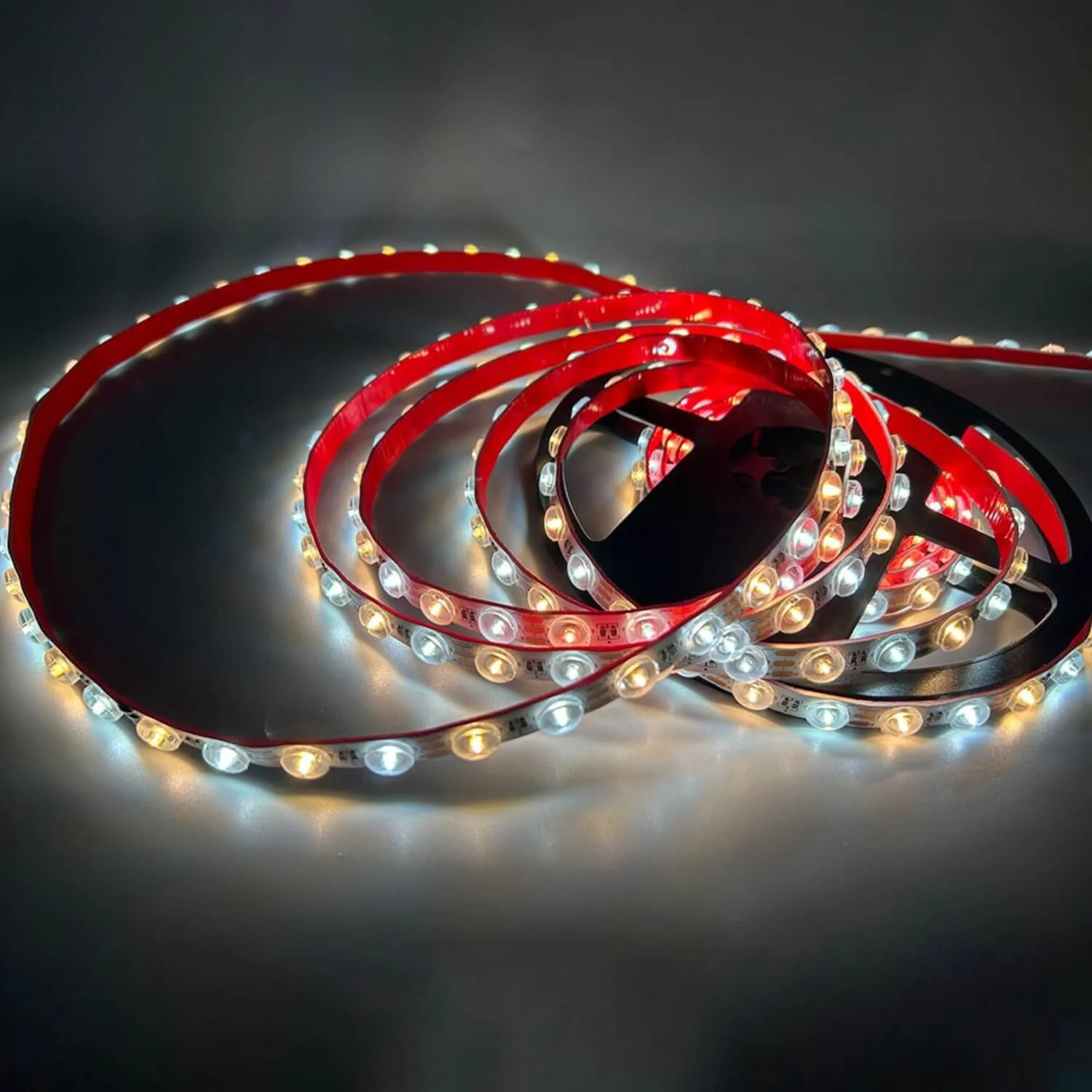
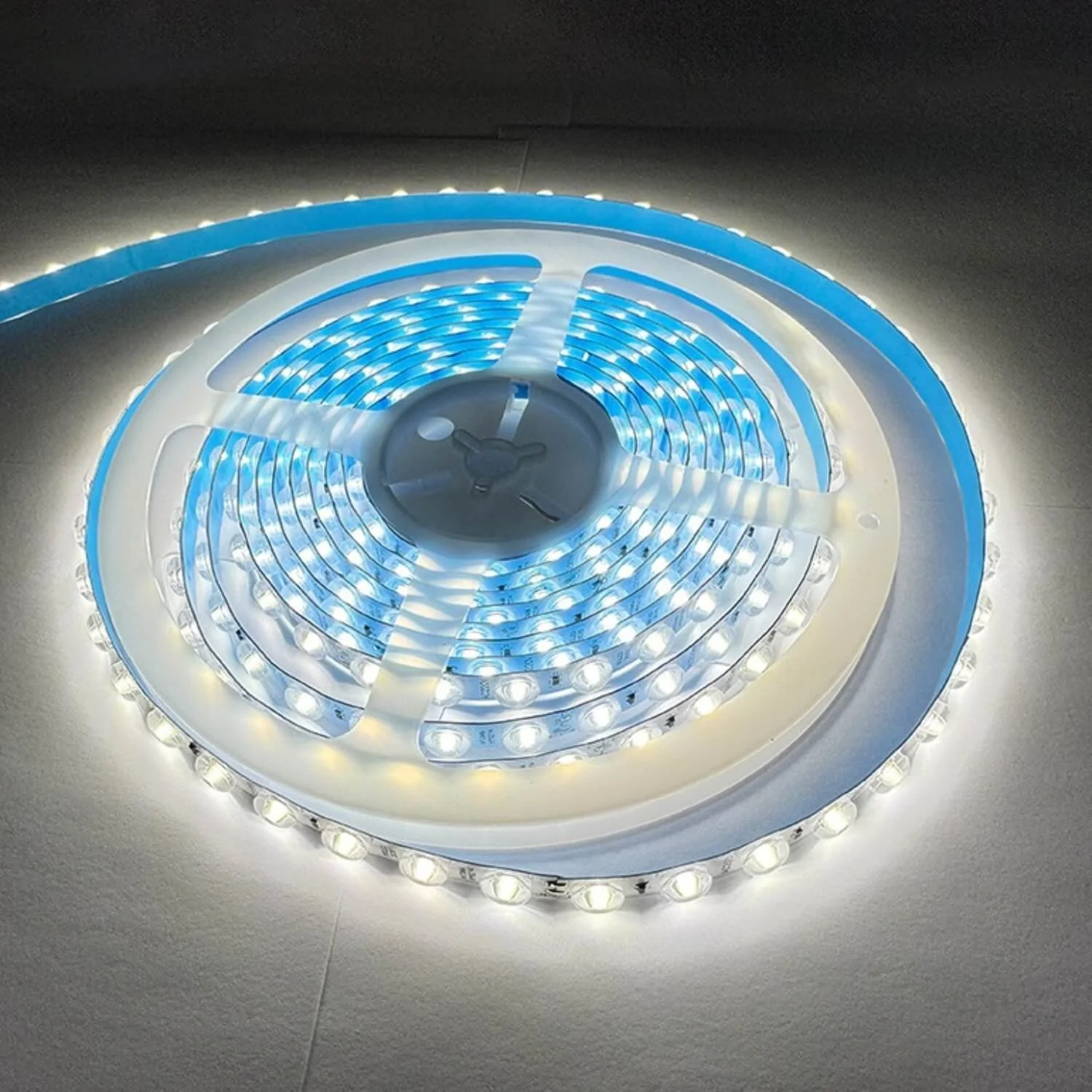
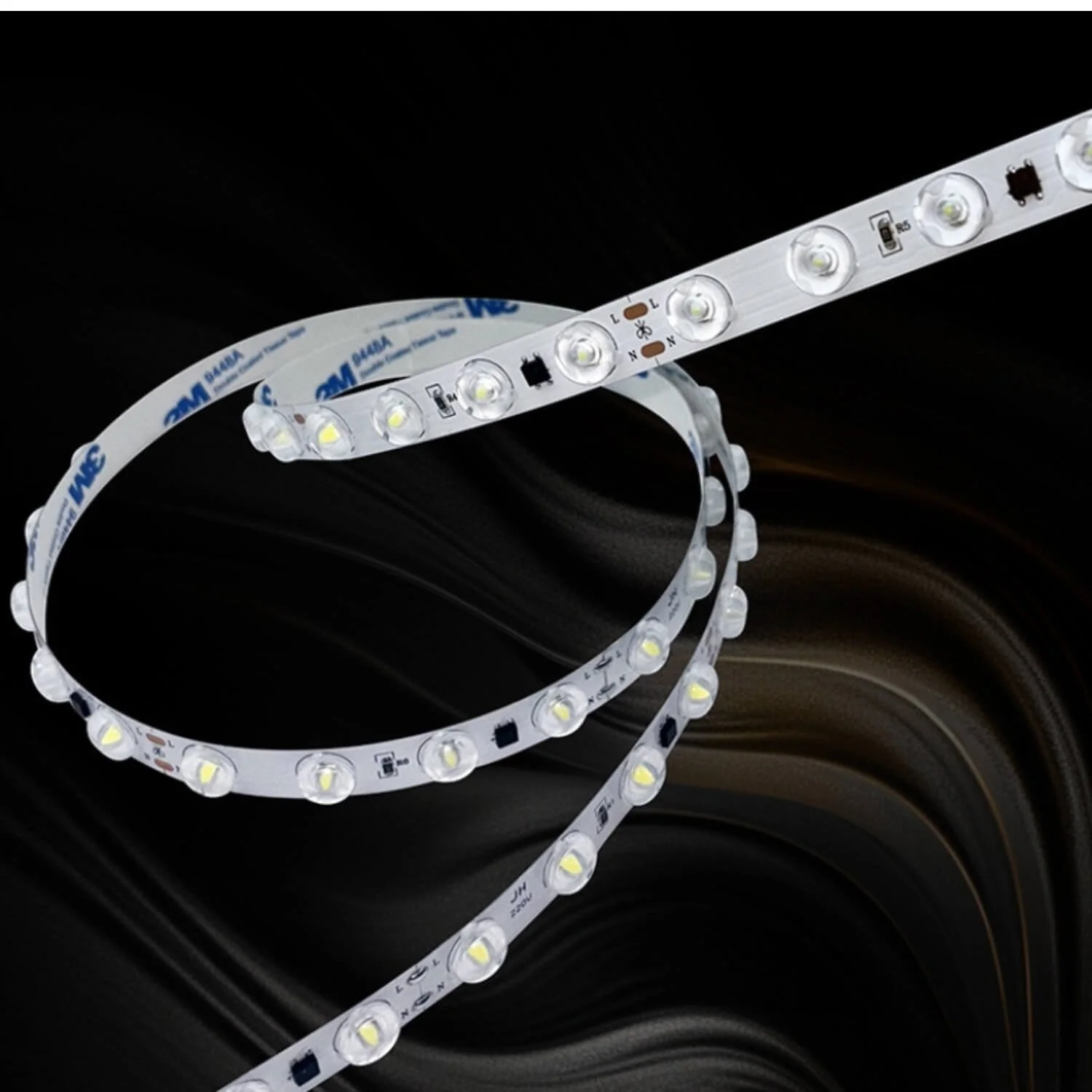
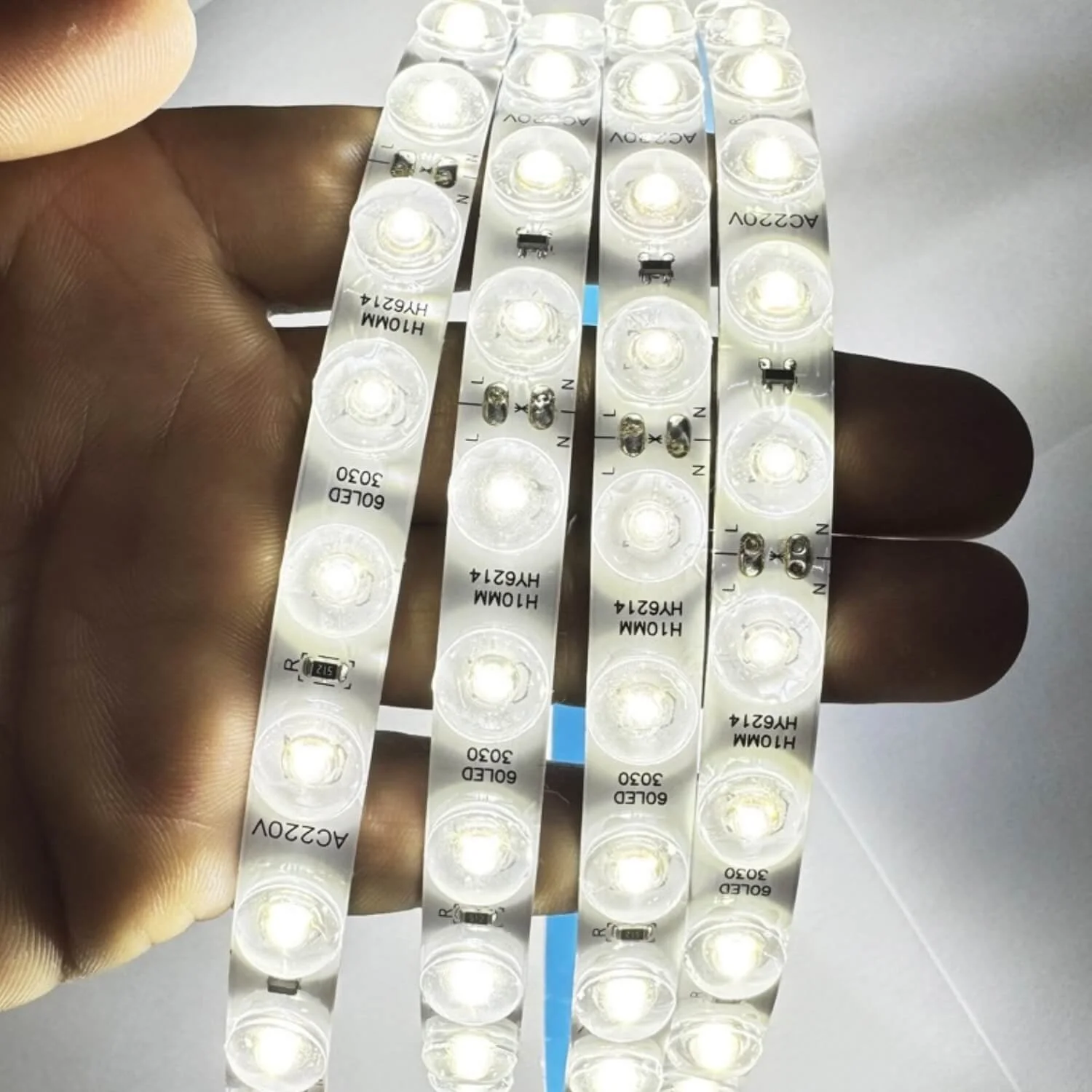
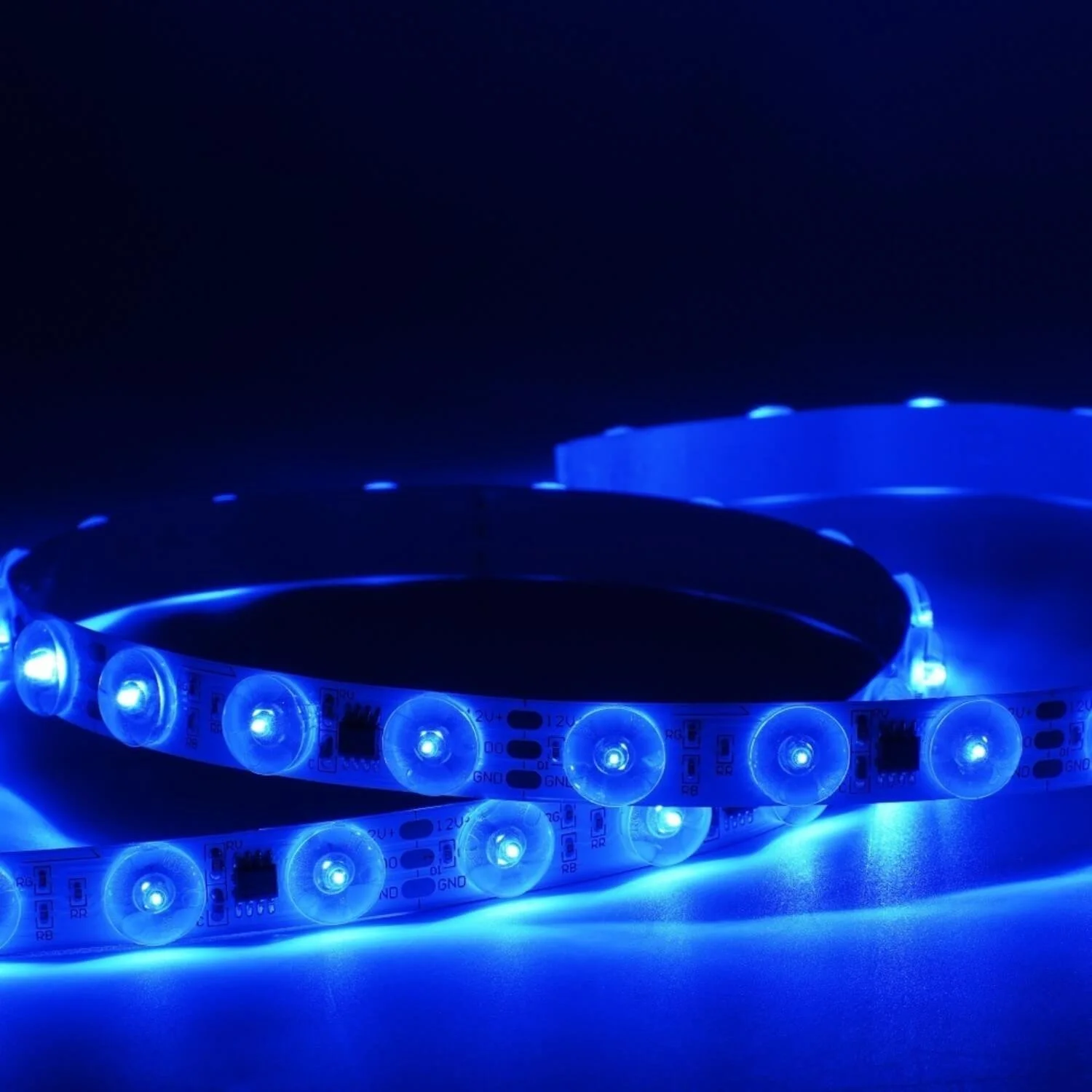
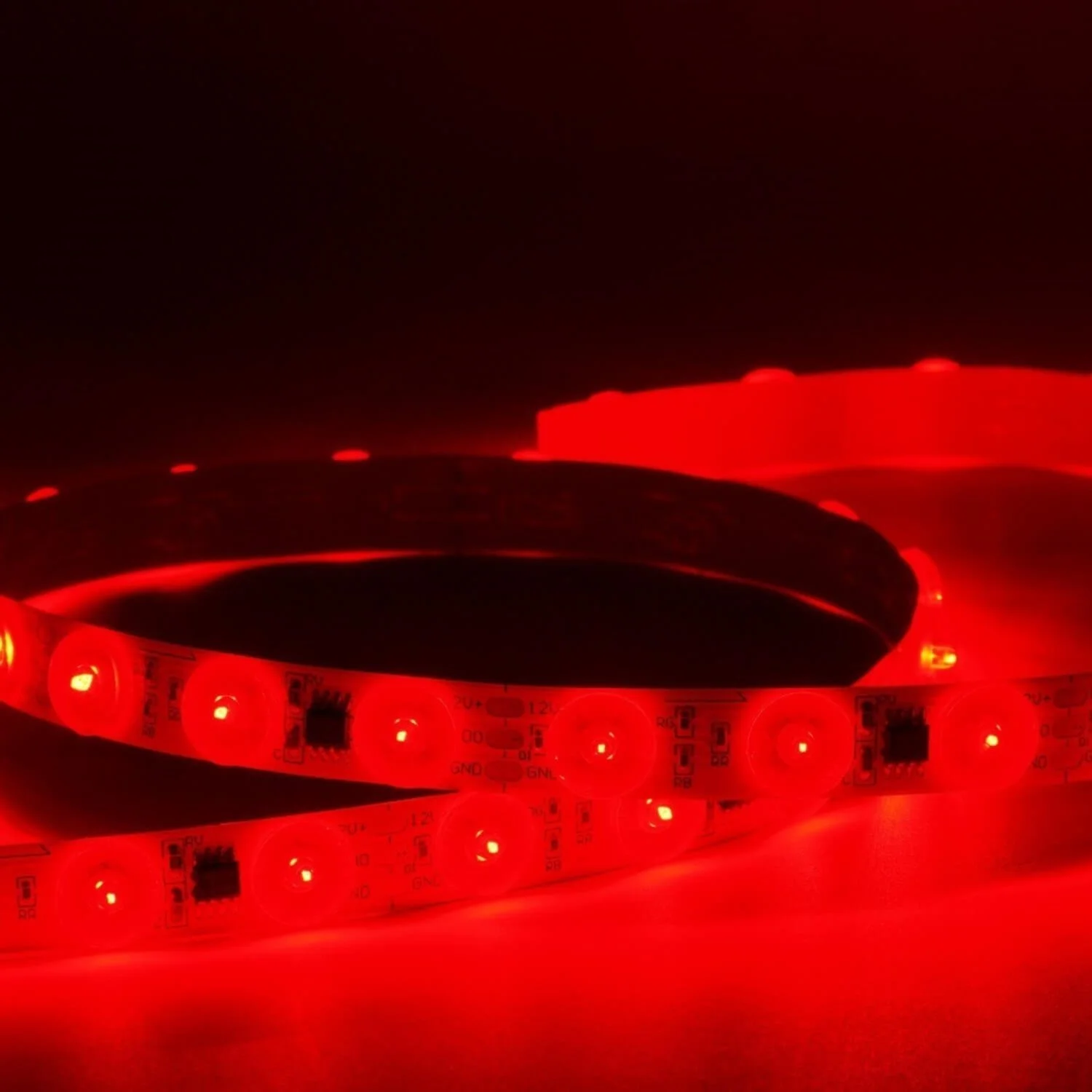
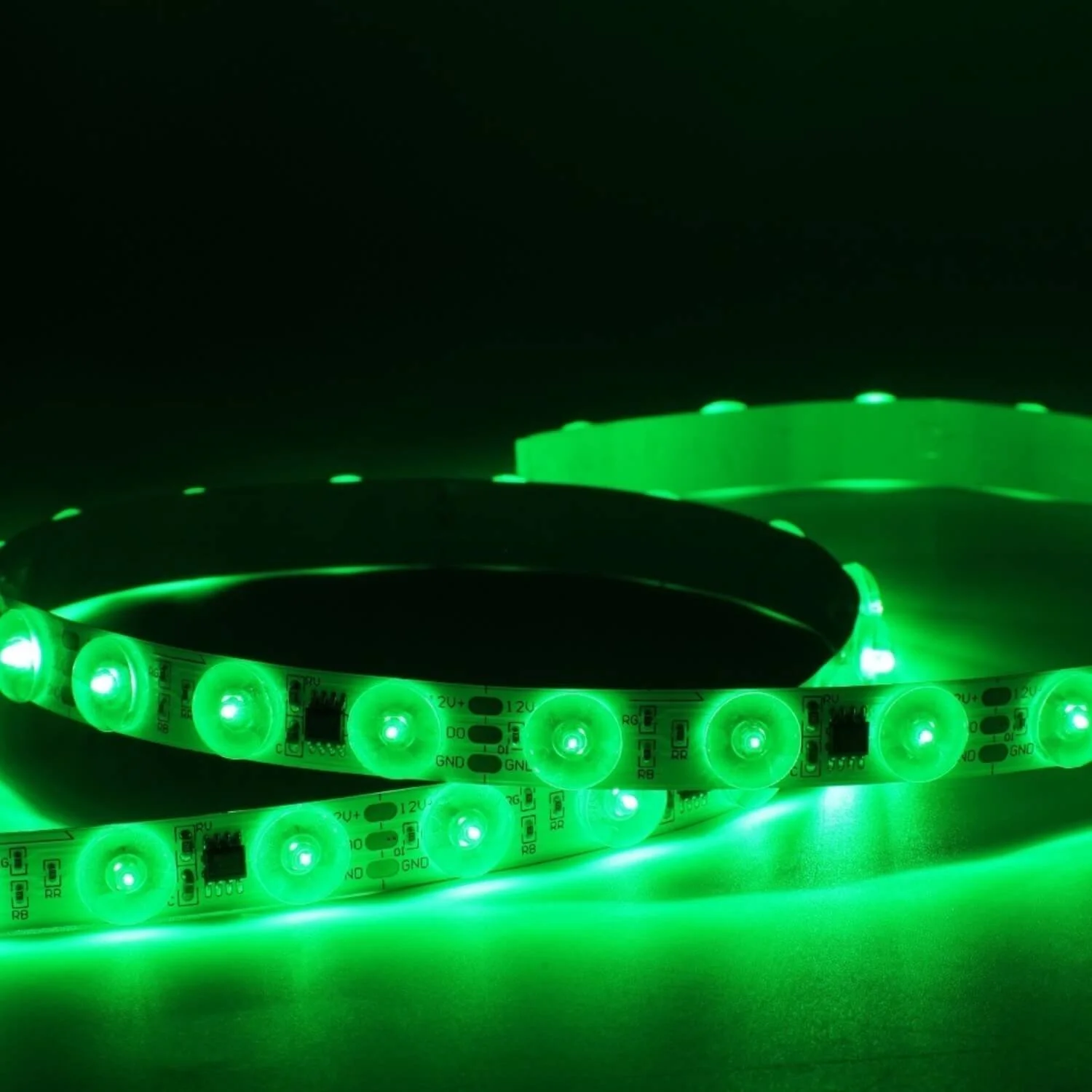
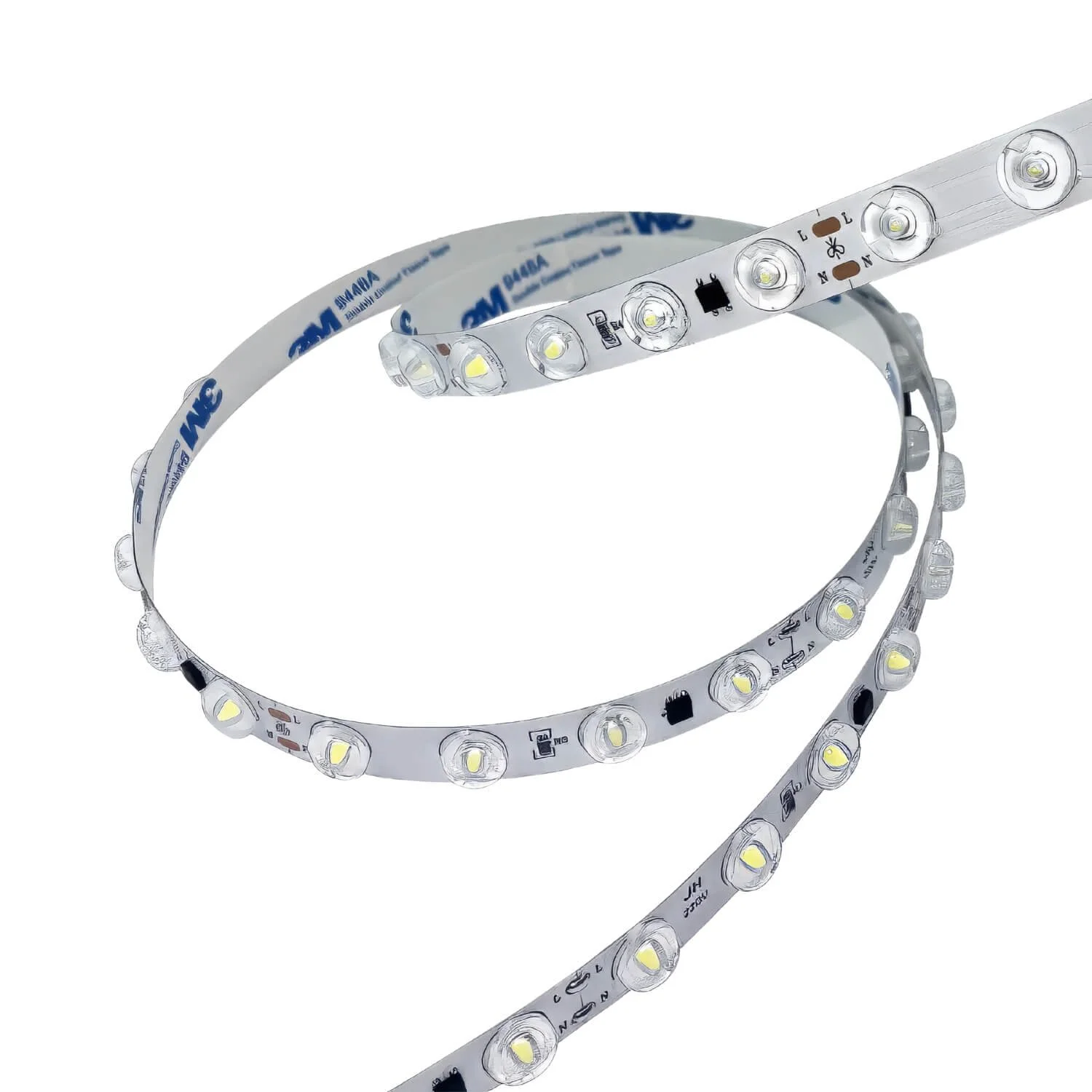
- This high-density LED strip delivers a smooth, continuous line of light with 180 diodes per metre — ideal where uniform, low-glare illumination is needed. It’s slim and flexible for seamless installation in coves, displays, cabinets, backlighting and linear architectural accents.
Key specifications:
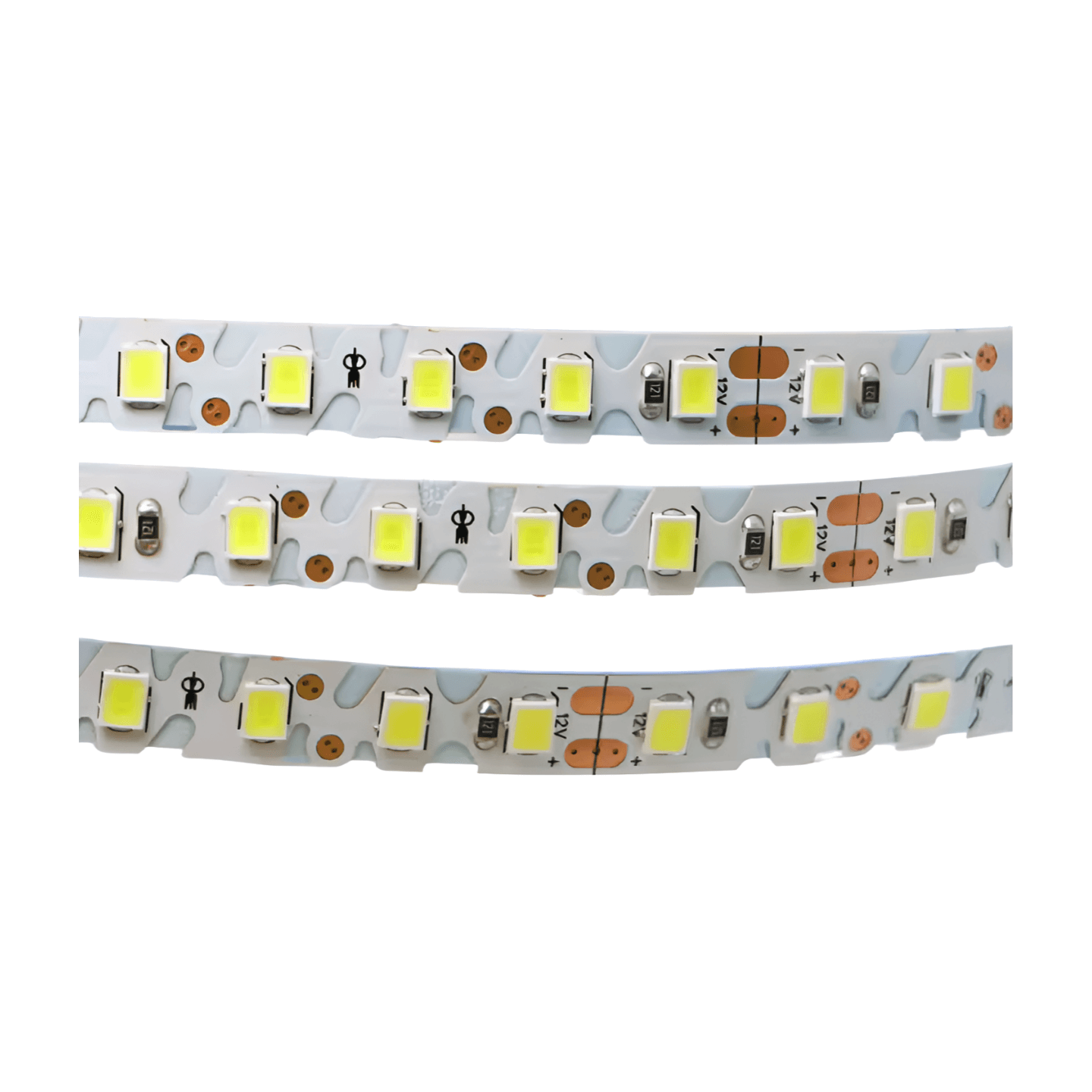
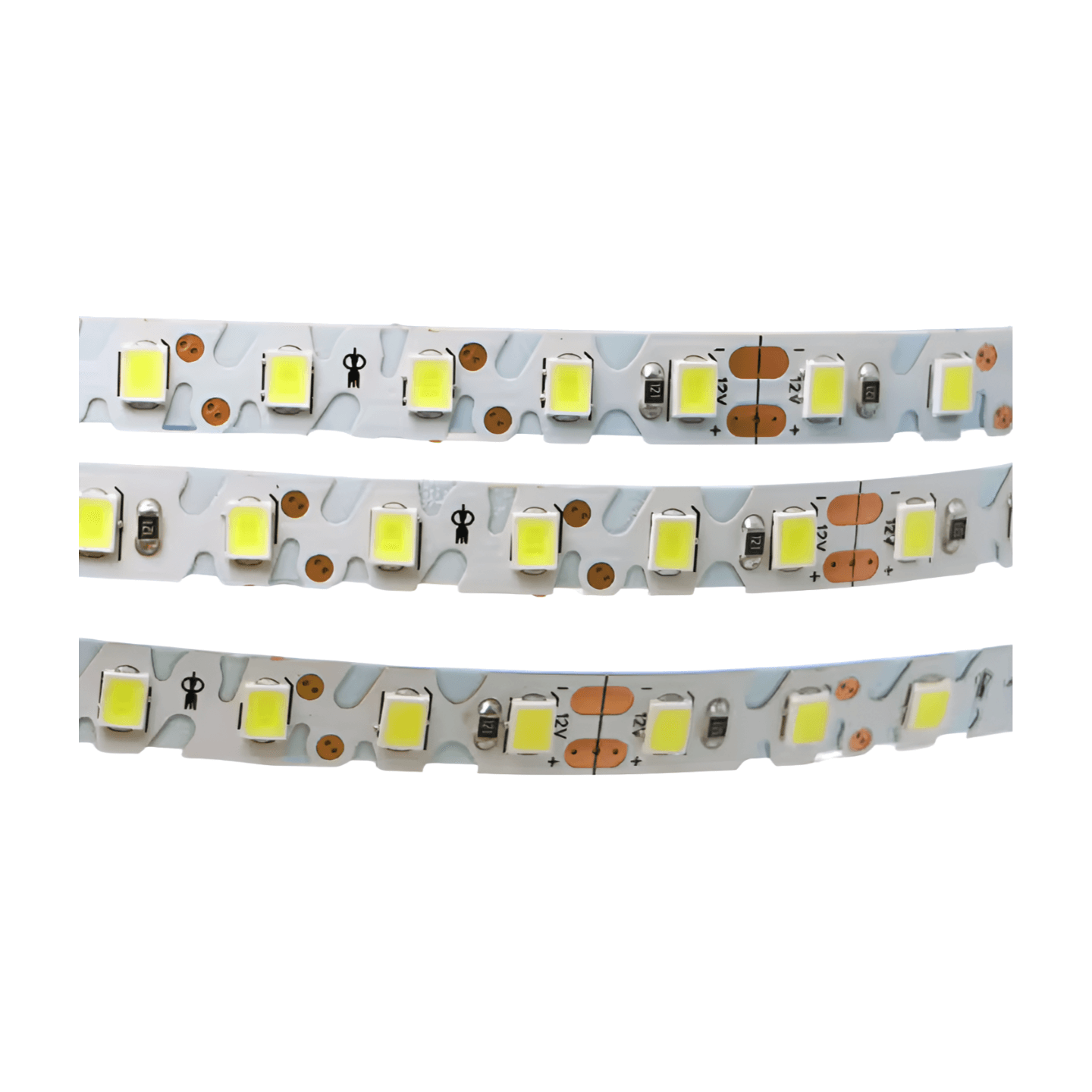
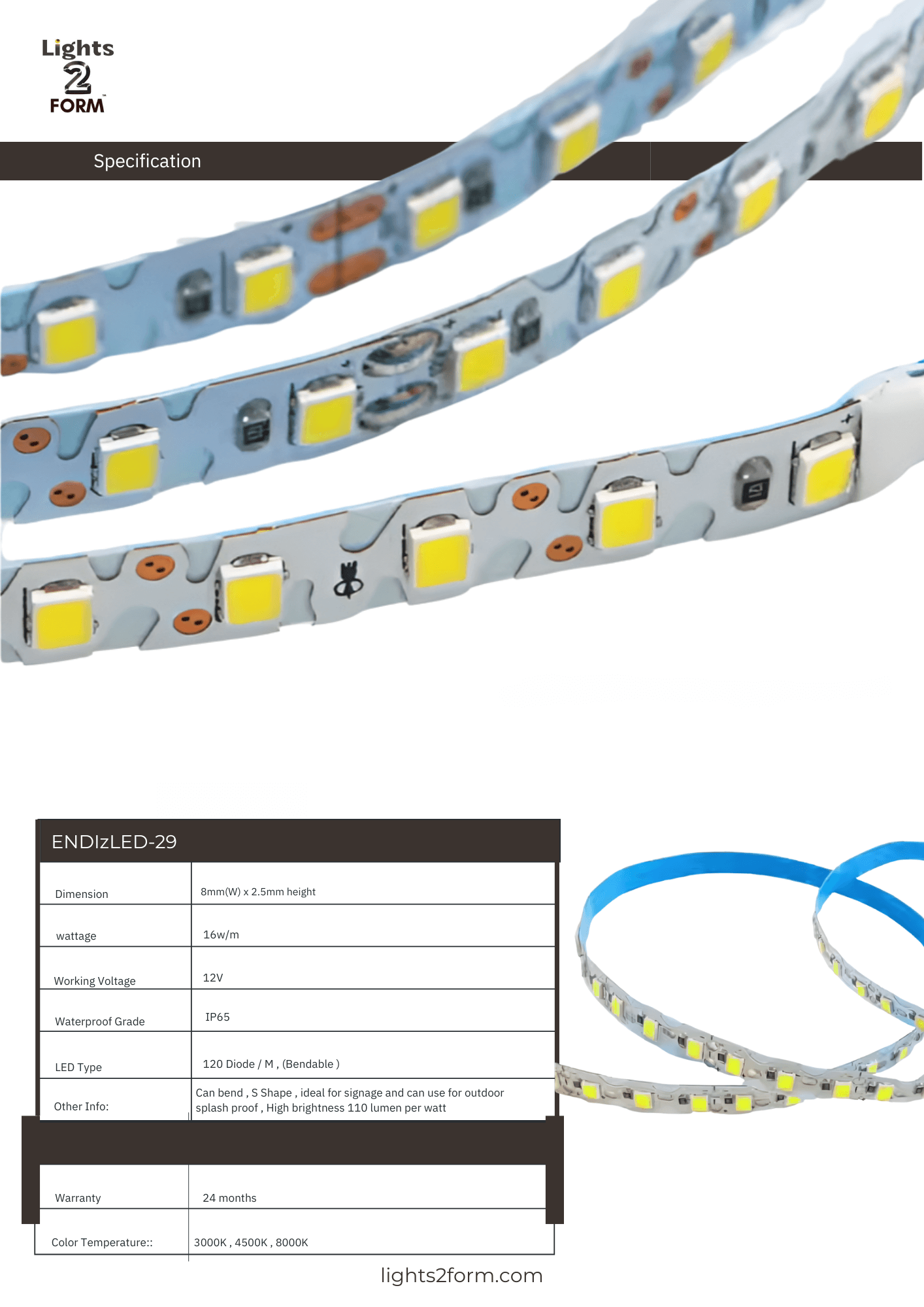
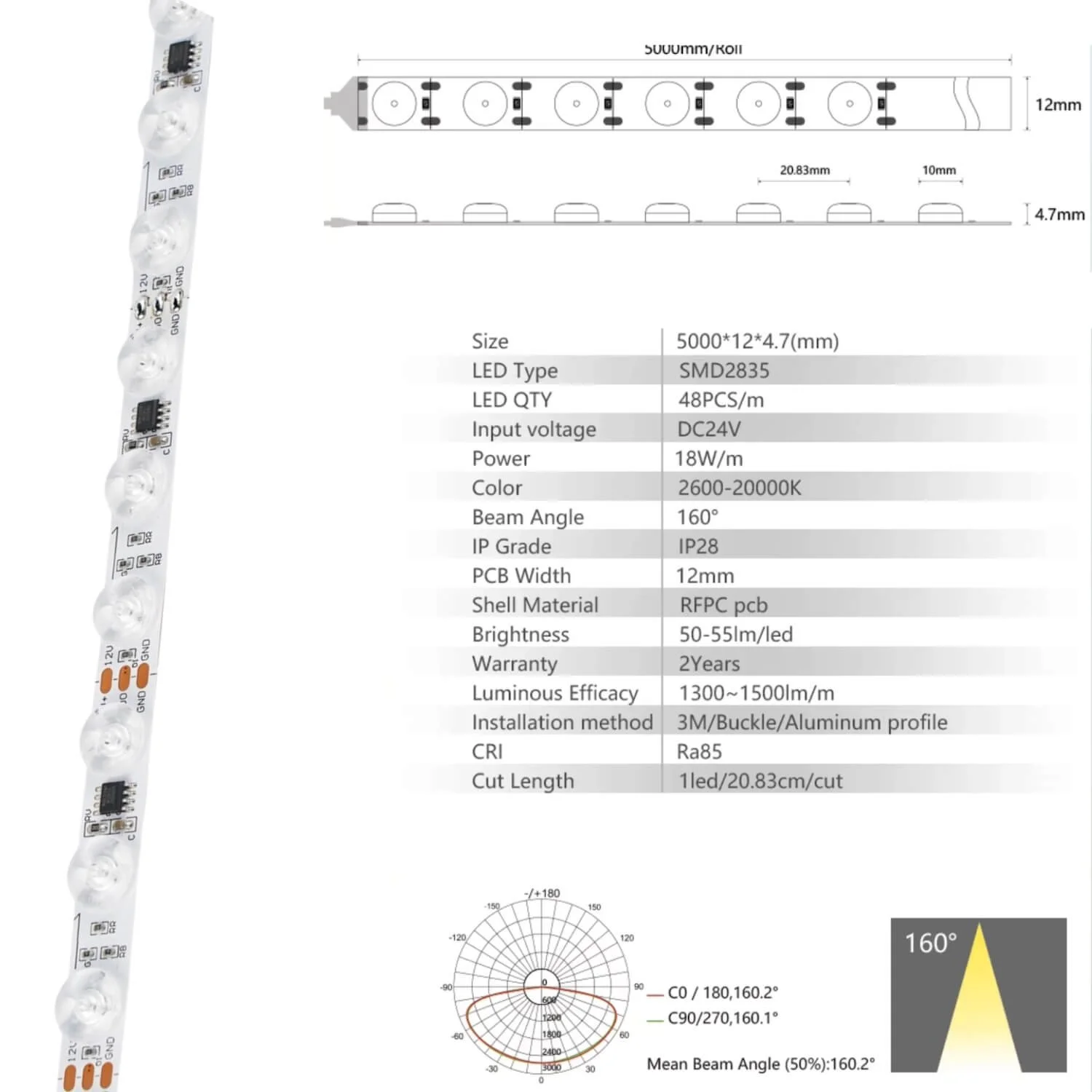
- LED density: 180 diodes per metre
- Power consumption: 15 W per metre
- Working voltage: 12 V DC or 24 V DC
- Dimensions: 8 mm (W) x 1.5 mm (H)
- CRI: 80 (good color rendering for most applications)
- Warranty: 24 months
Why choose this strip:
- Ultra-smooth, high-density output for professional-looking lines of light.
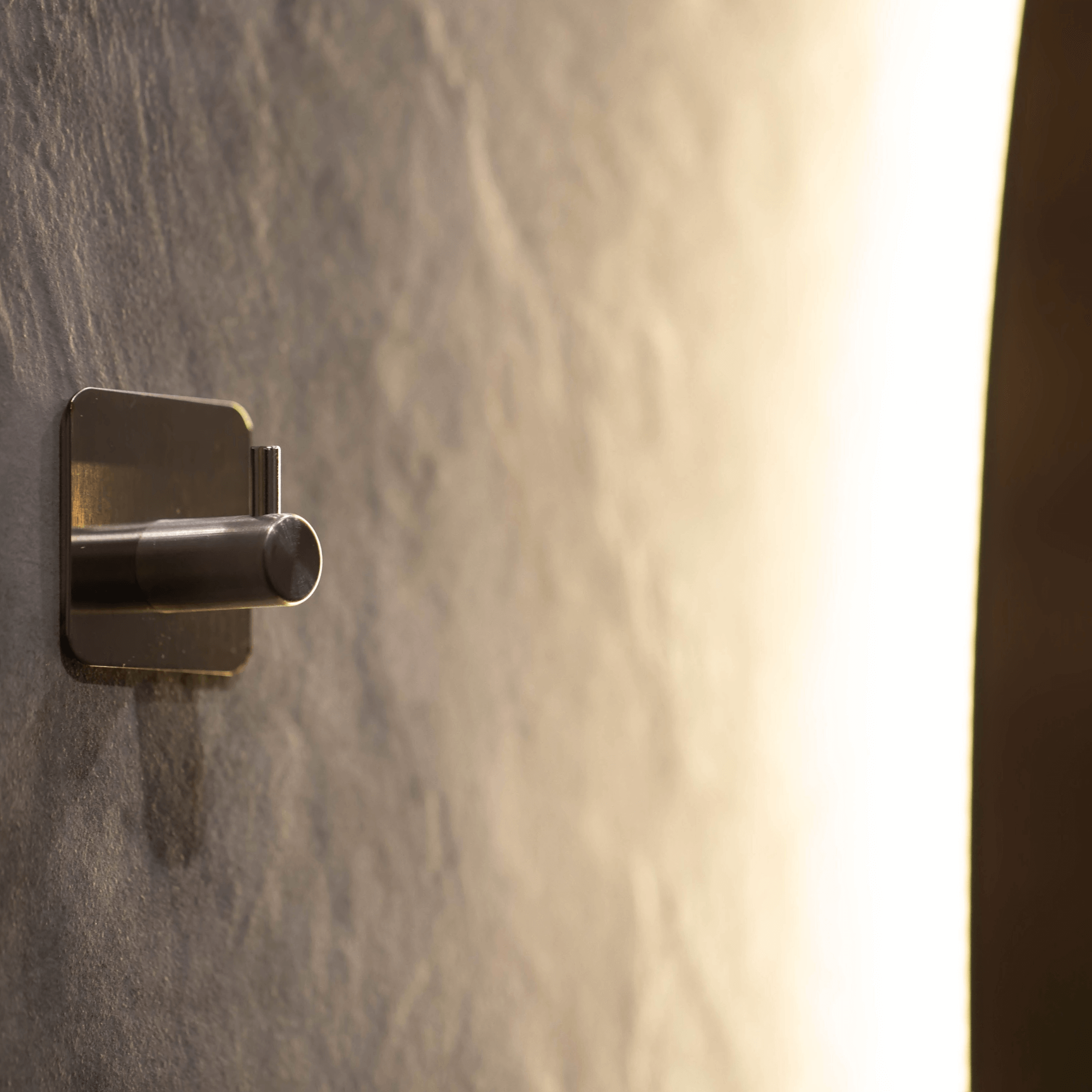
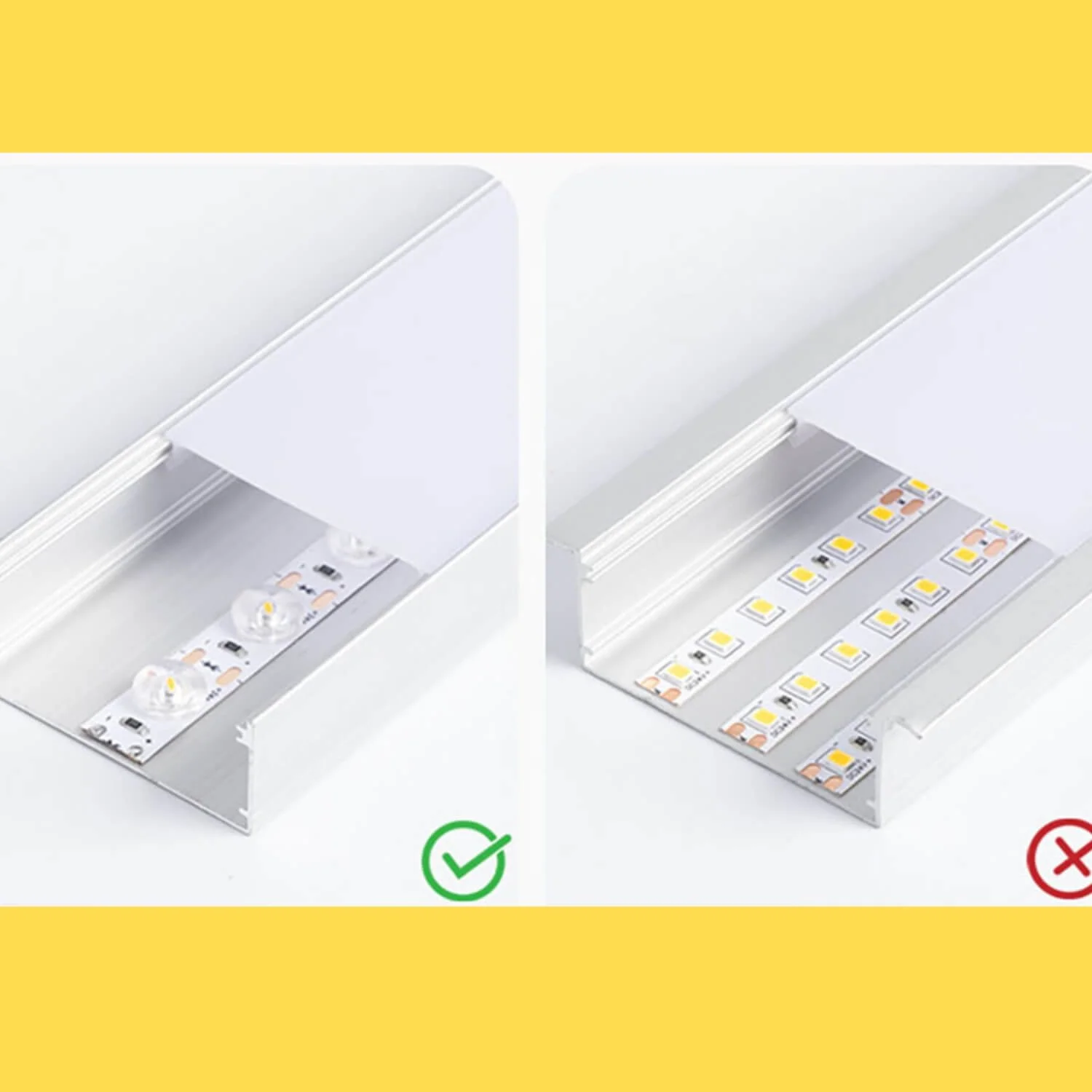
- Low-profile design fits into narrow channels and discreet mounting locations.
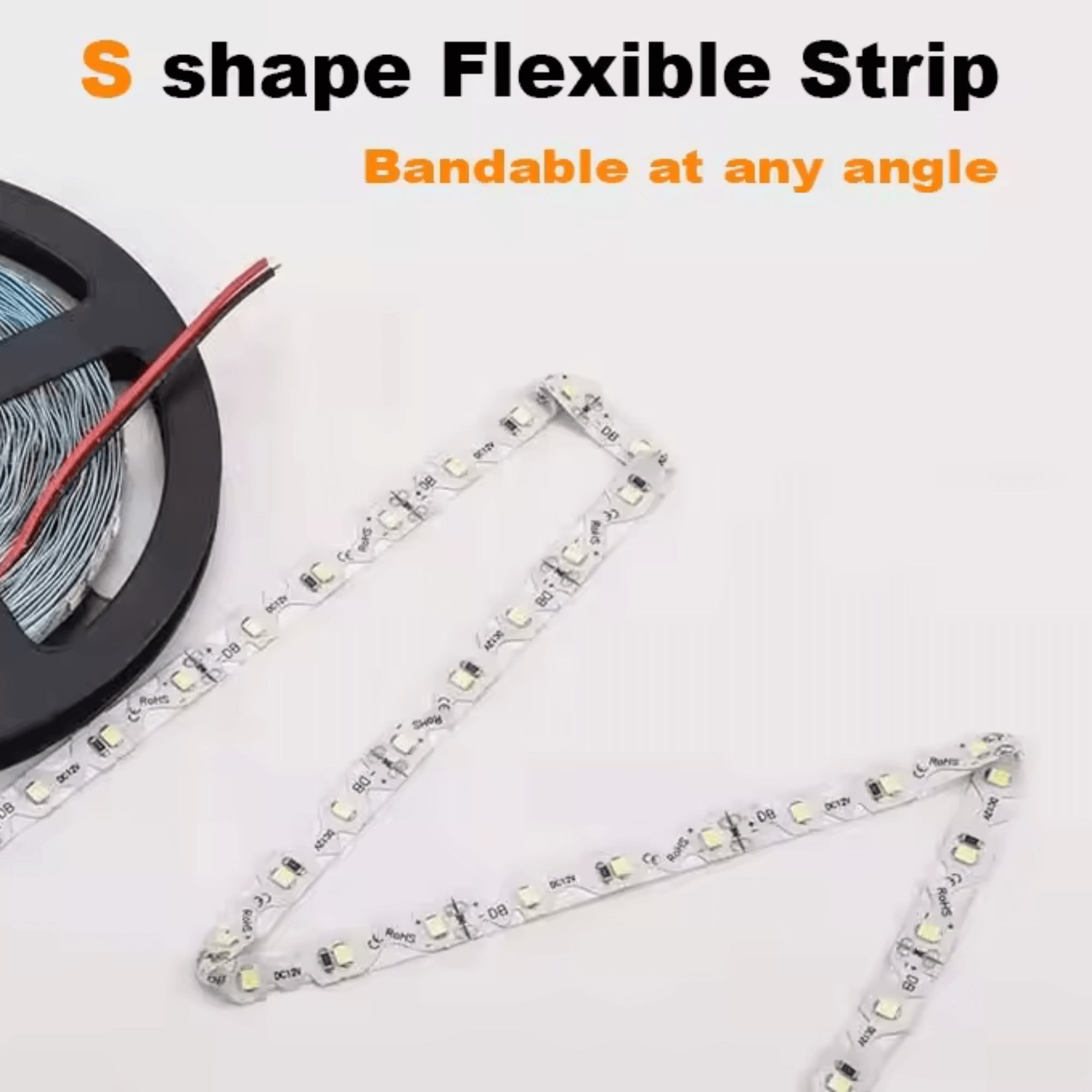
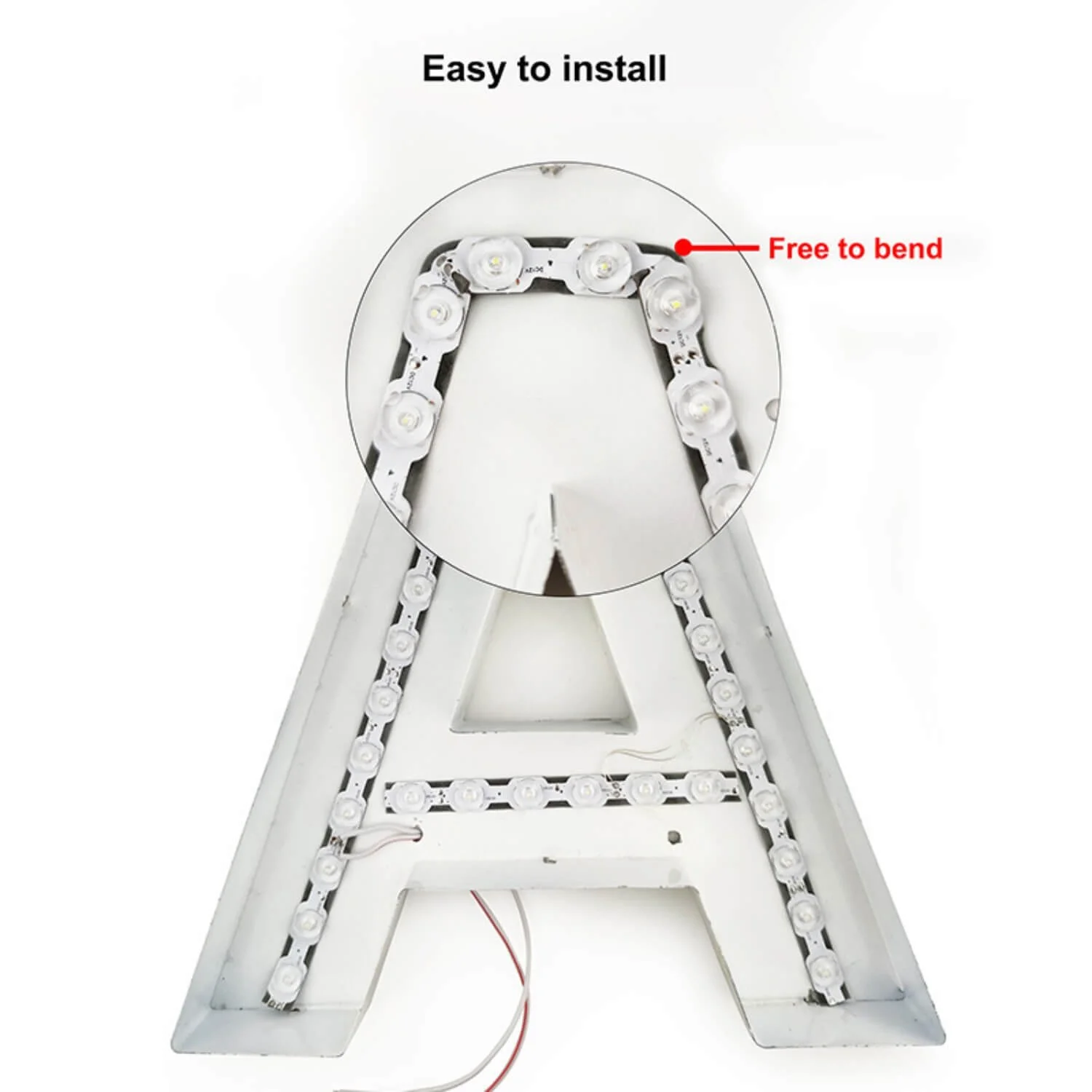
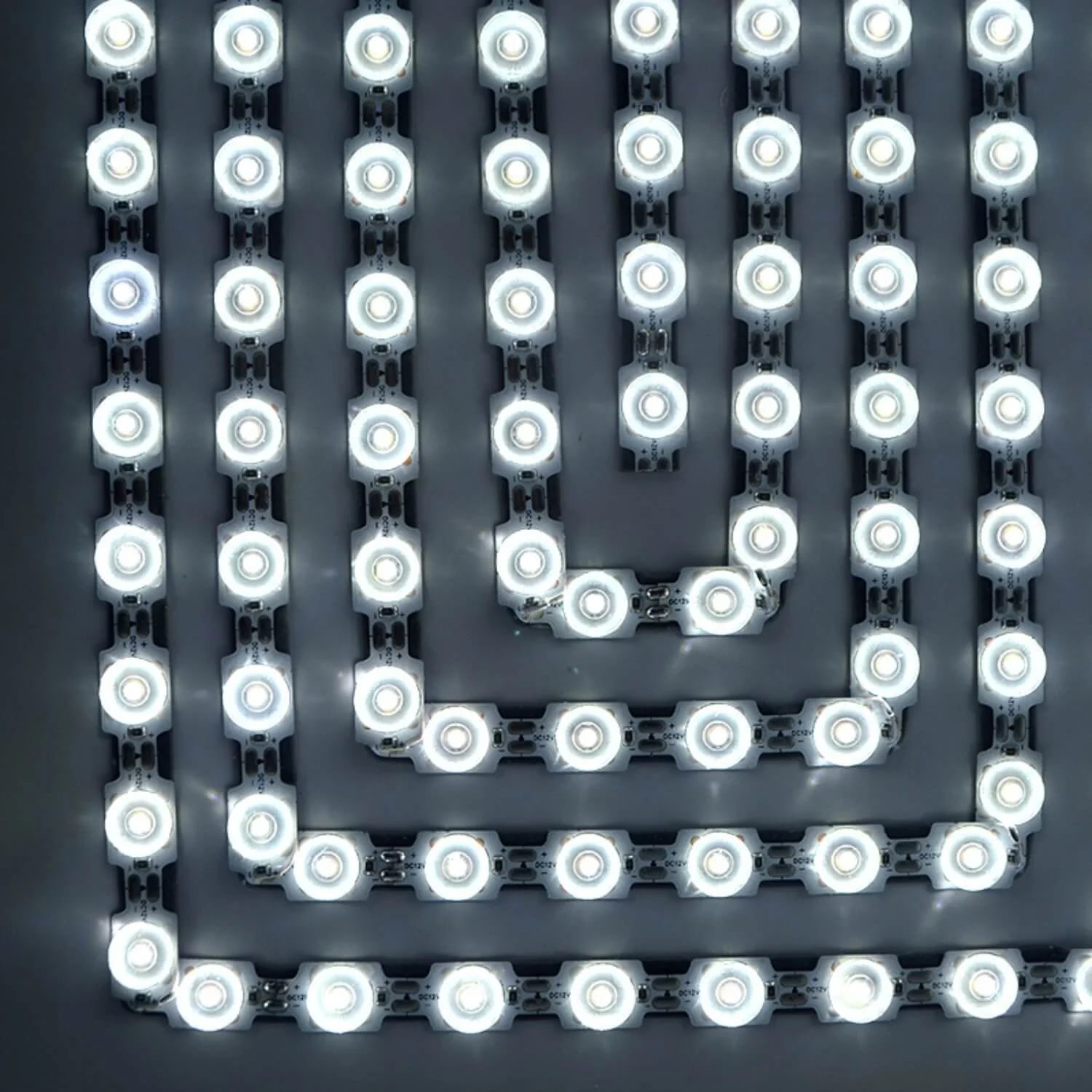
- Flexible and easy to shape around contours or inside profiles.
- Reliable performance with a 24‑month warranty.
Installation tips (simple and safe):
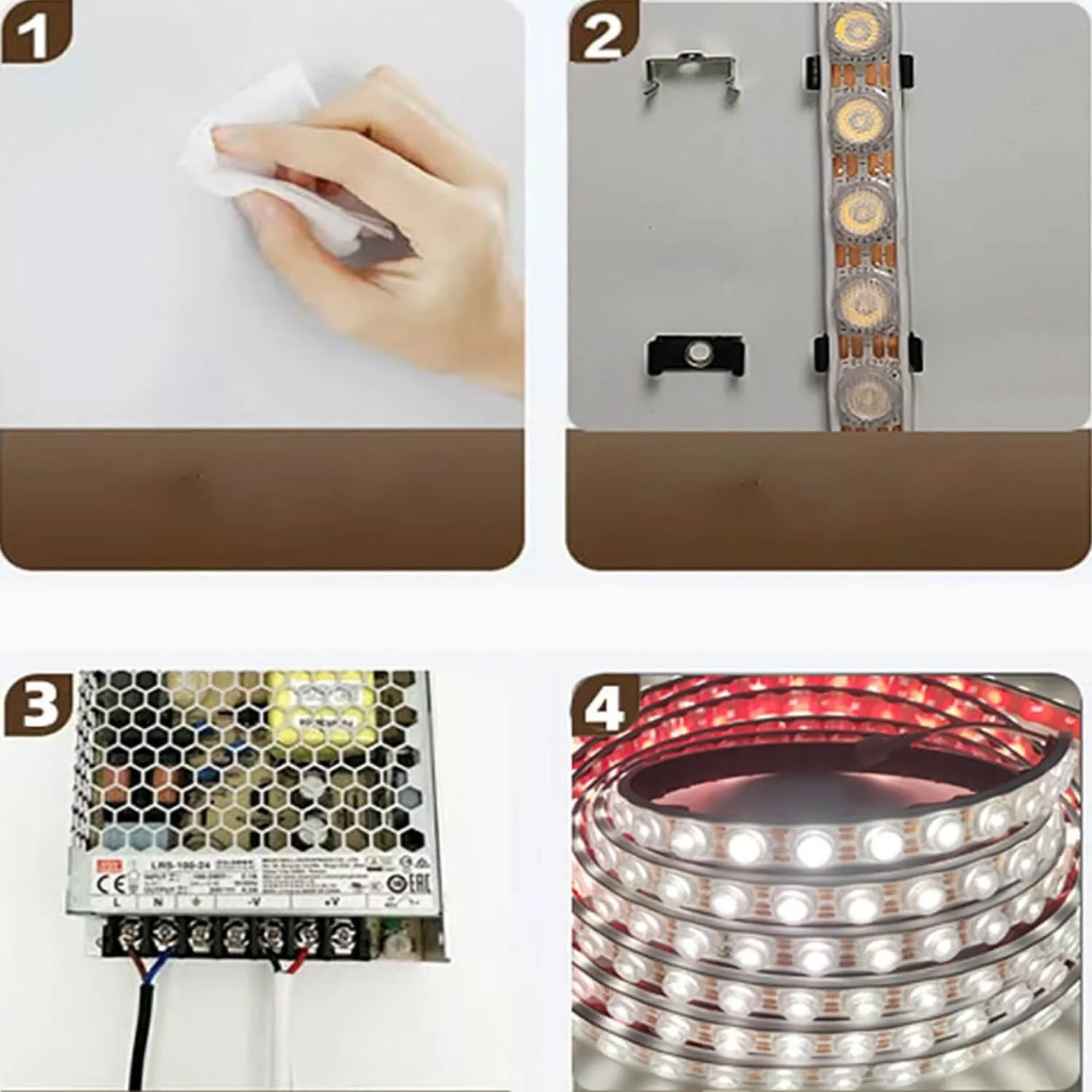
- Surface prep: wipe mounting surface clean and dry for best adhesion.
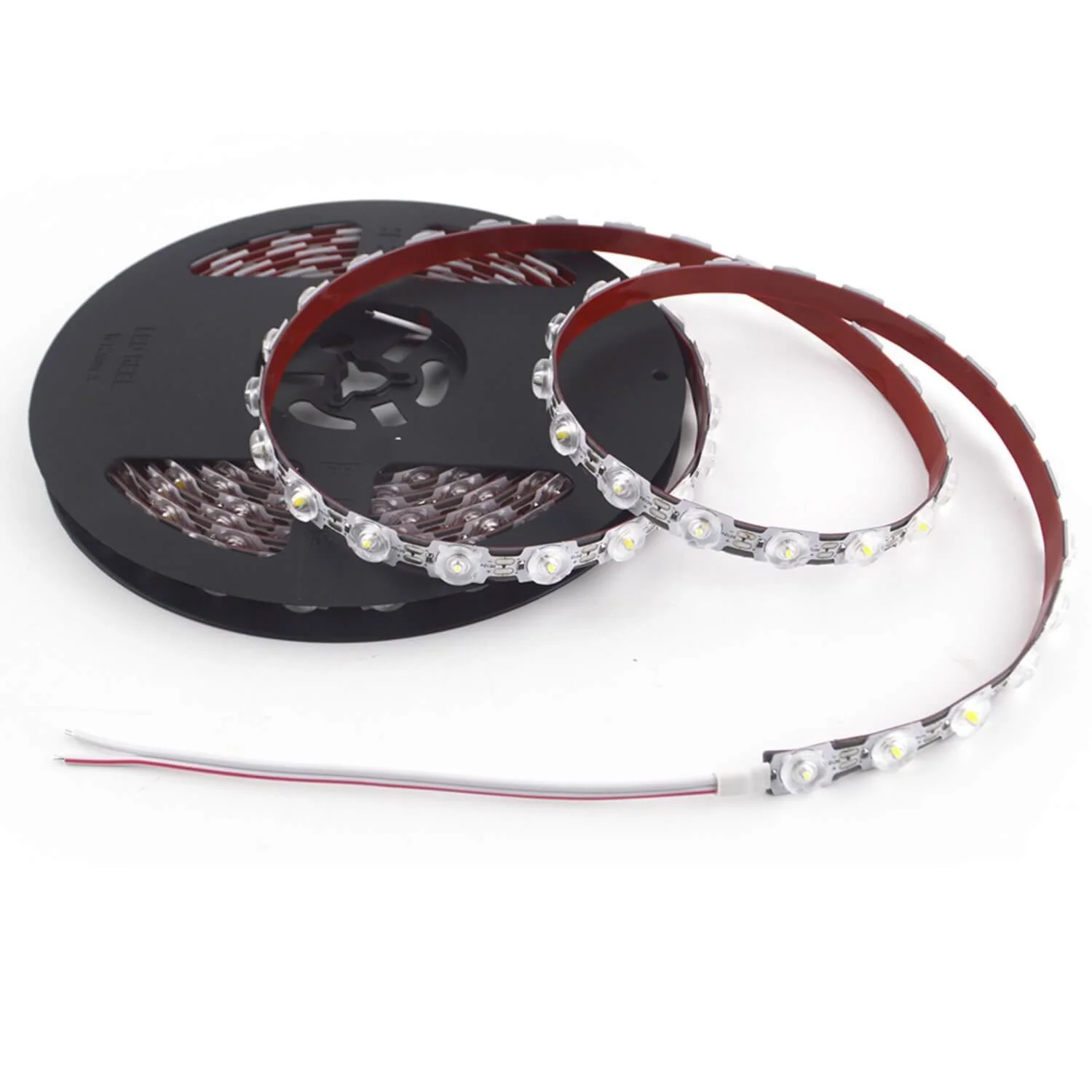
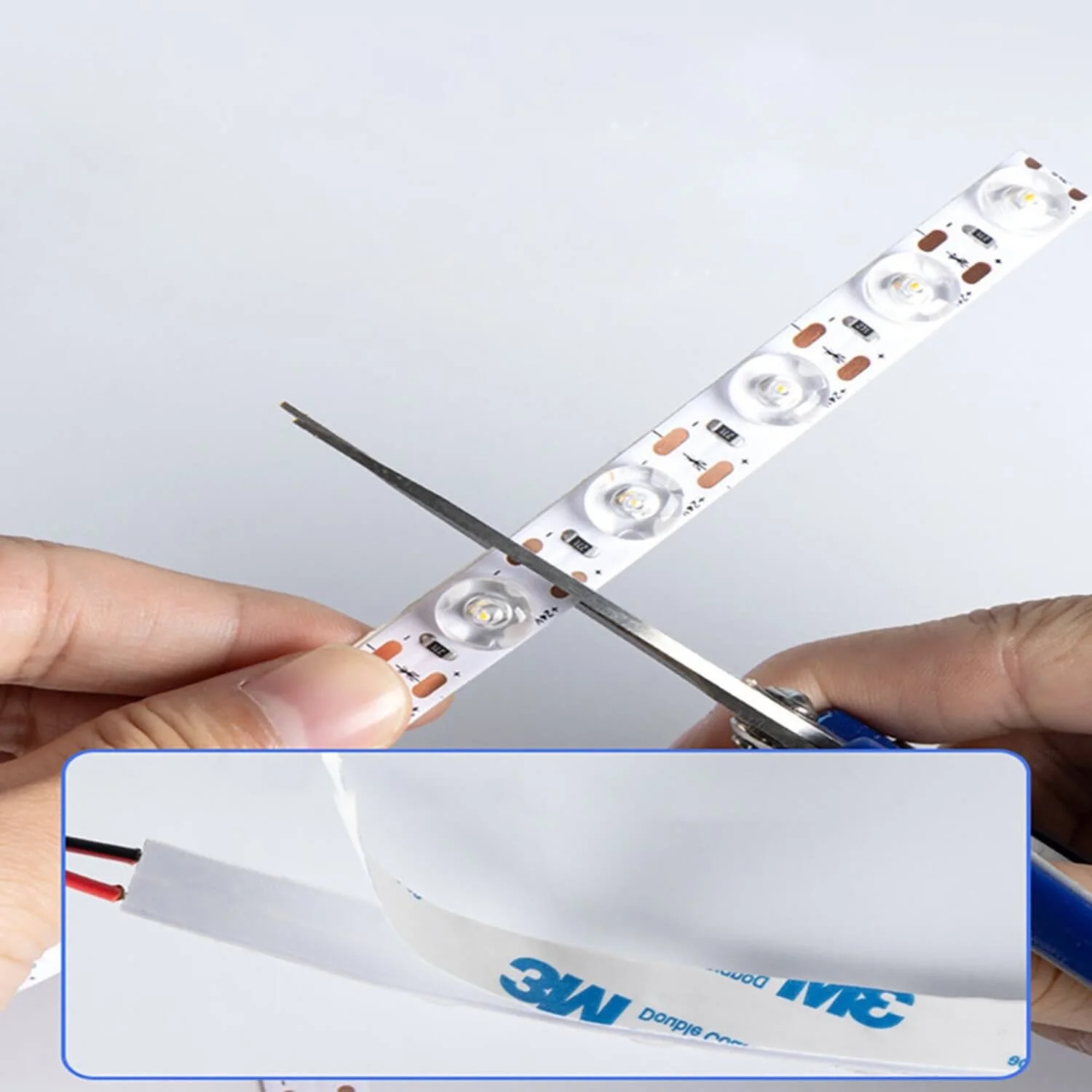
- Peel-and-stick backing: tear off the adhesive liner and press the strip in place.
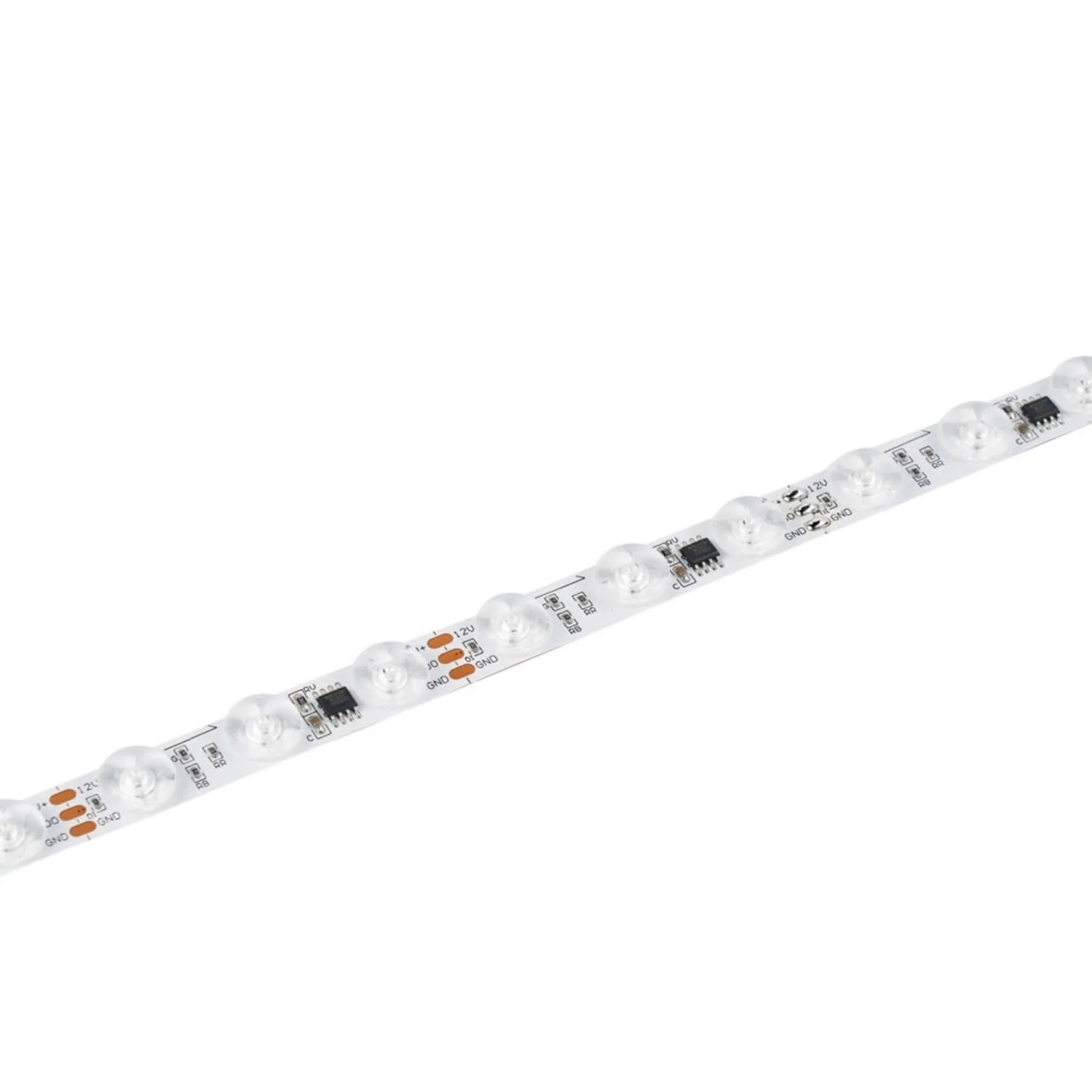
- Polarity: red = V+ (positive). Black = C (CW/negative) — confirm wiring before powering.
- Cut only at the printed cut marks on the strip. Use connectors (not included) or solder for joins.
- Power supply selection: use a DC driver sized to the strip length. Recommended PSU wattage = strip length (m) × 15 W, plus a safety margin of ~20% (e.g., 5 m → 5 × 15 = 75 W → choose ~90 W–100 W).
- For long runs, add power injection points to prevent voltage drop and visible dimming. Use appropriate wire gauge and connectors.
Applications:
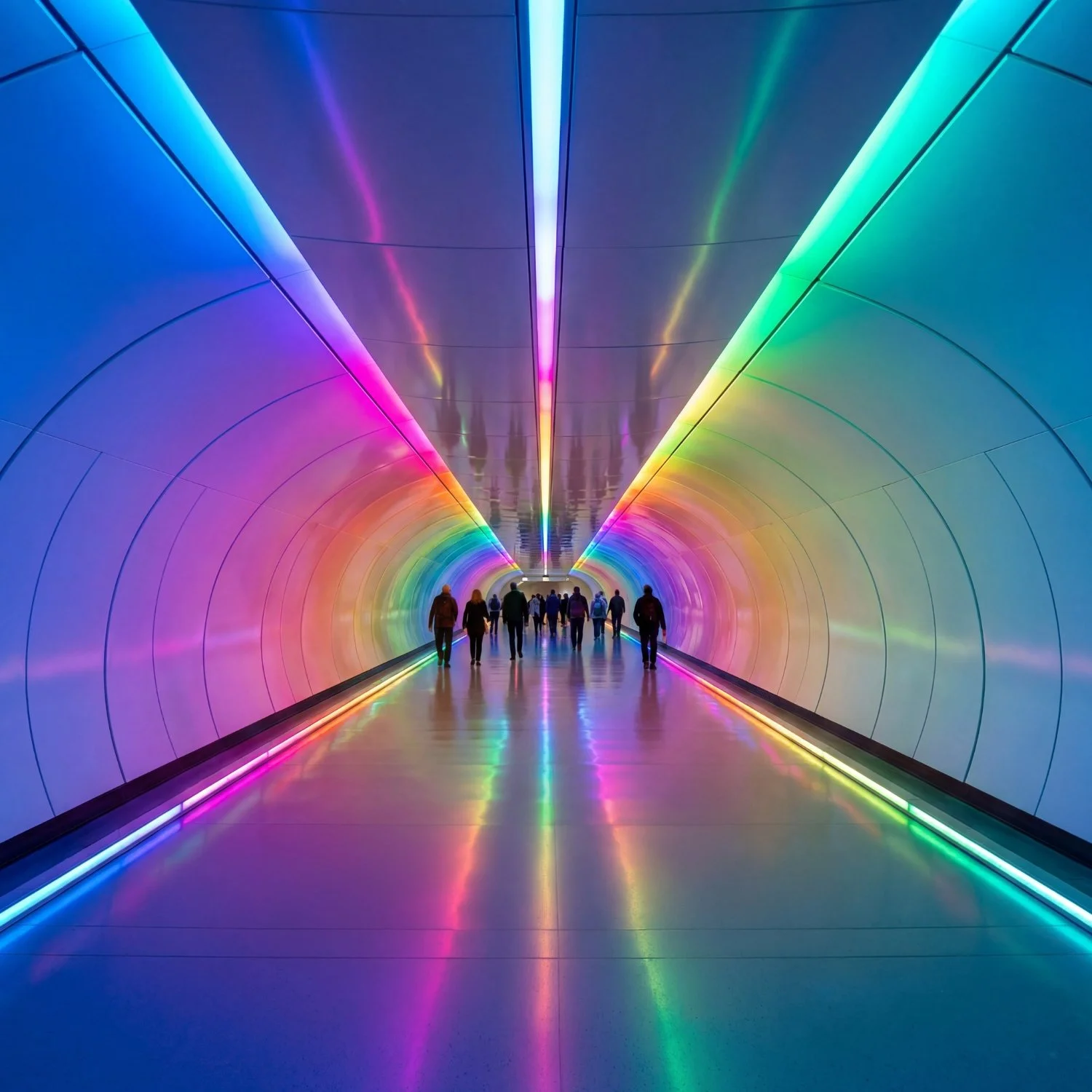
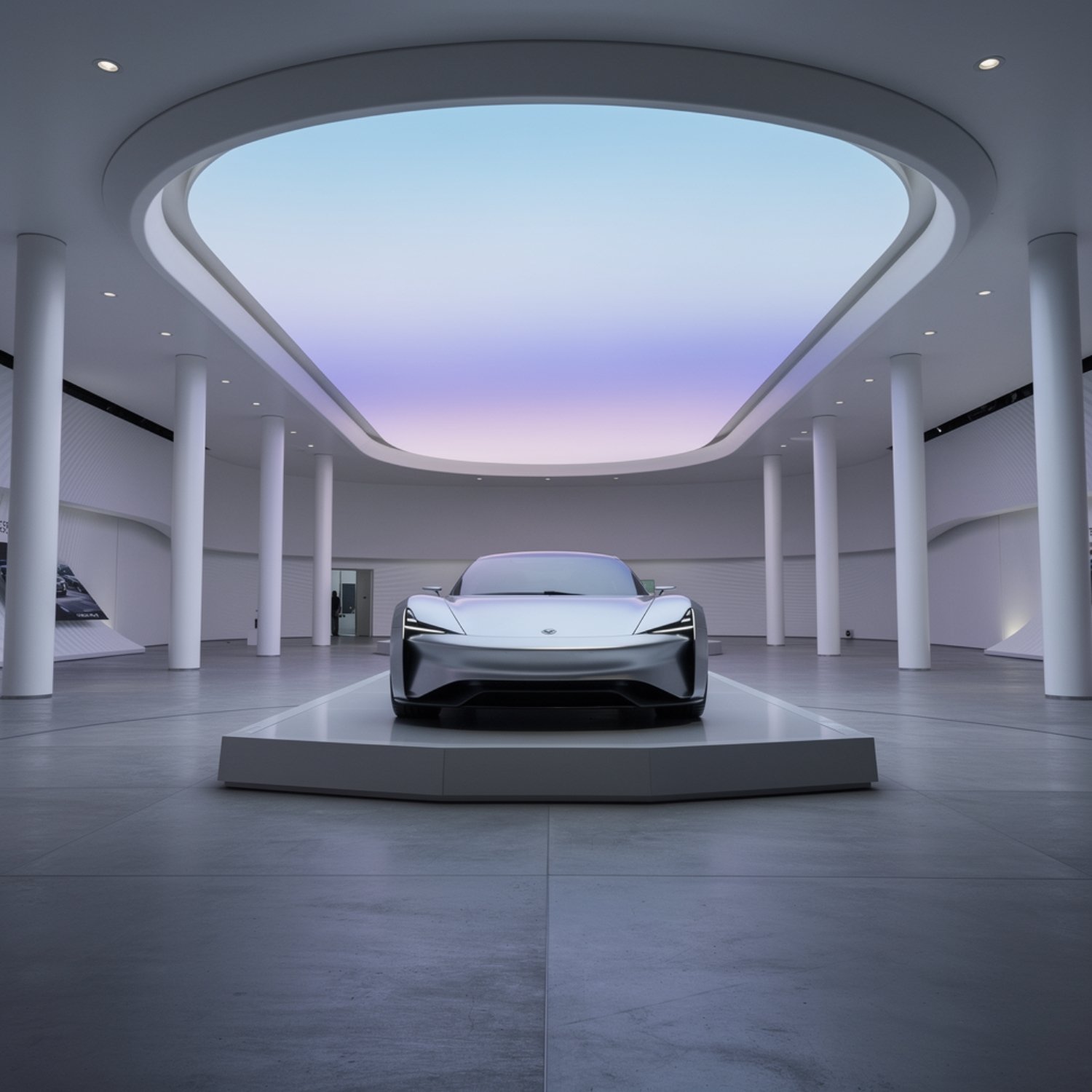
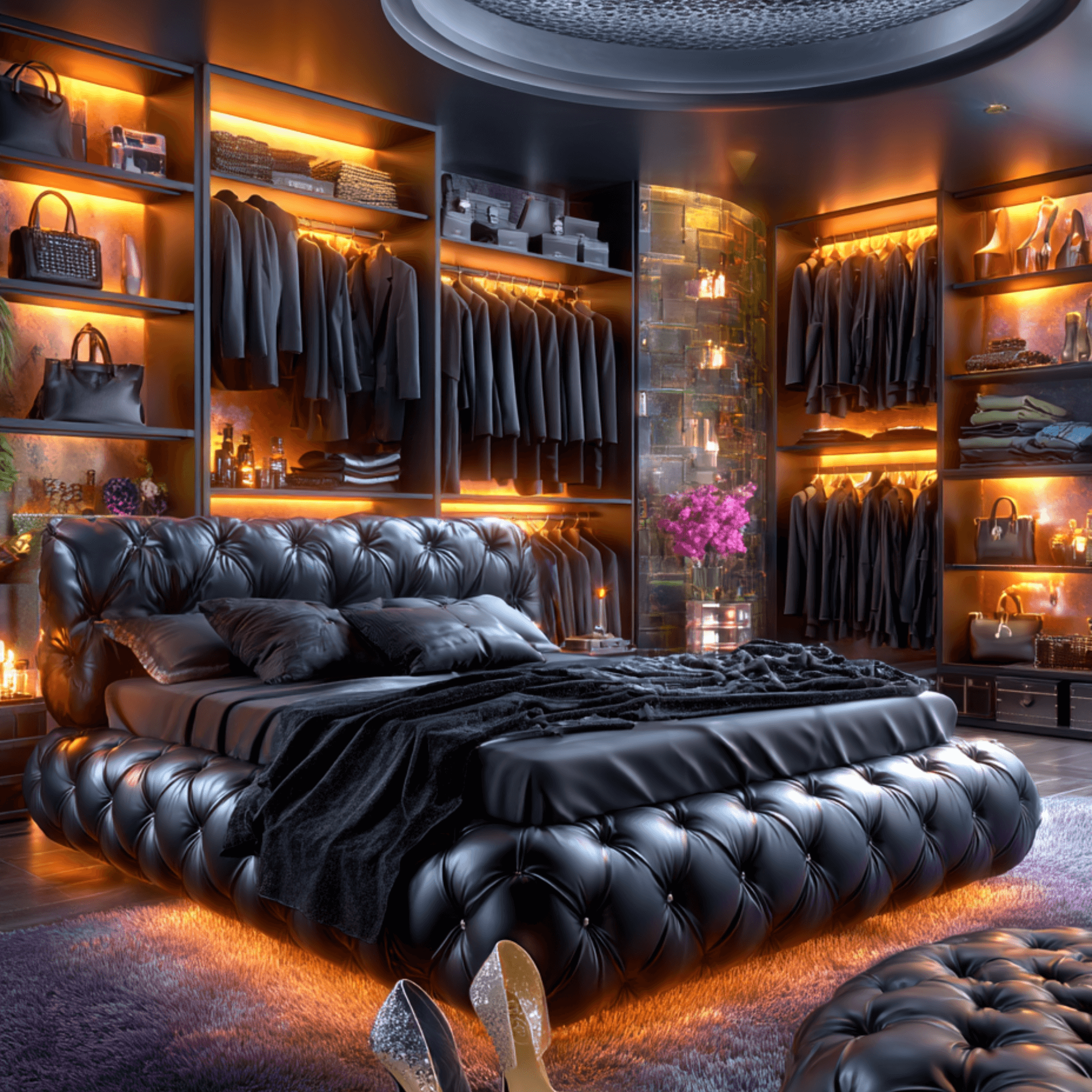
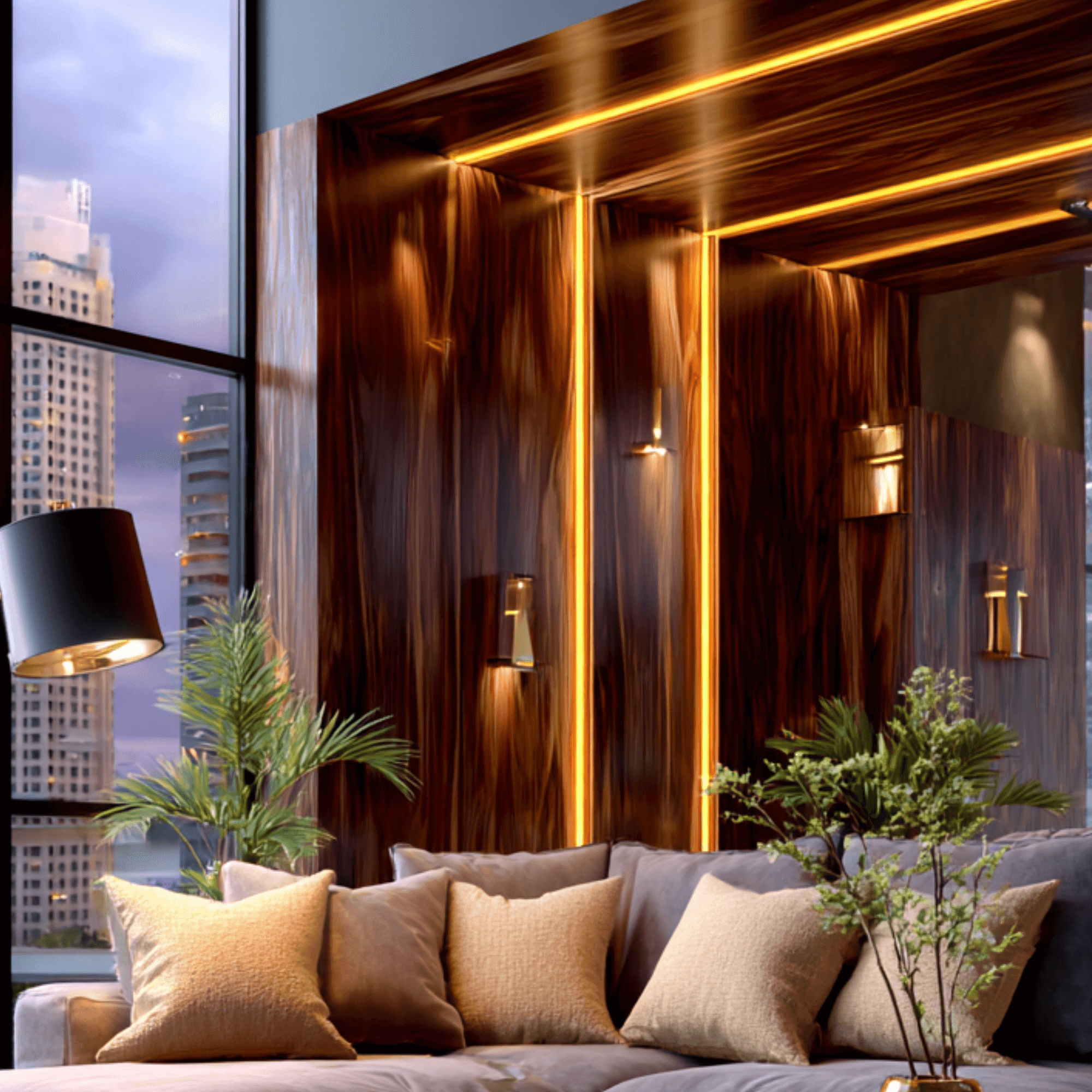
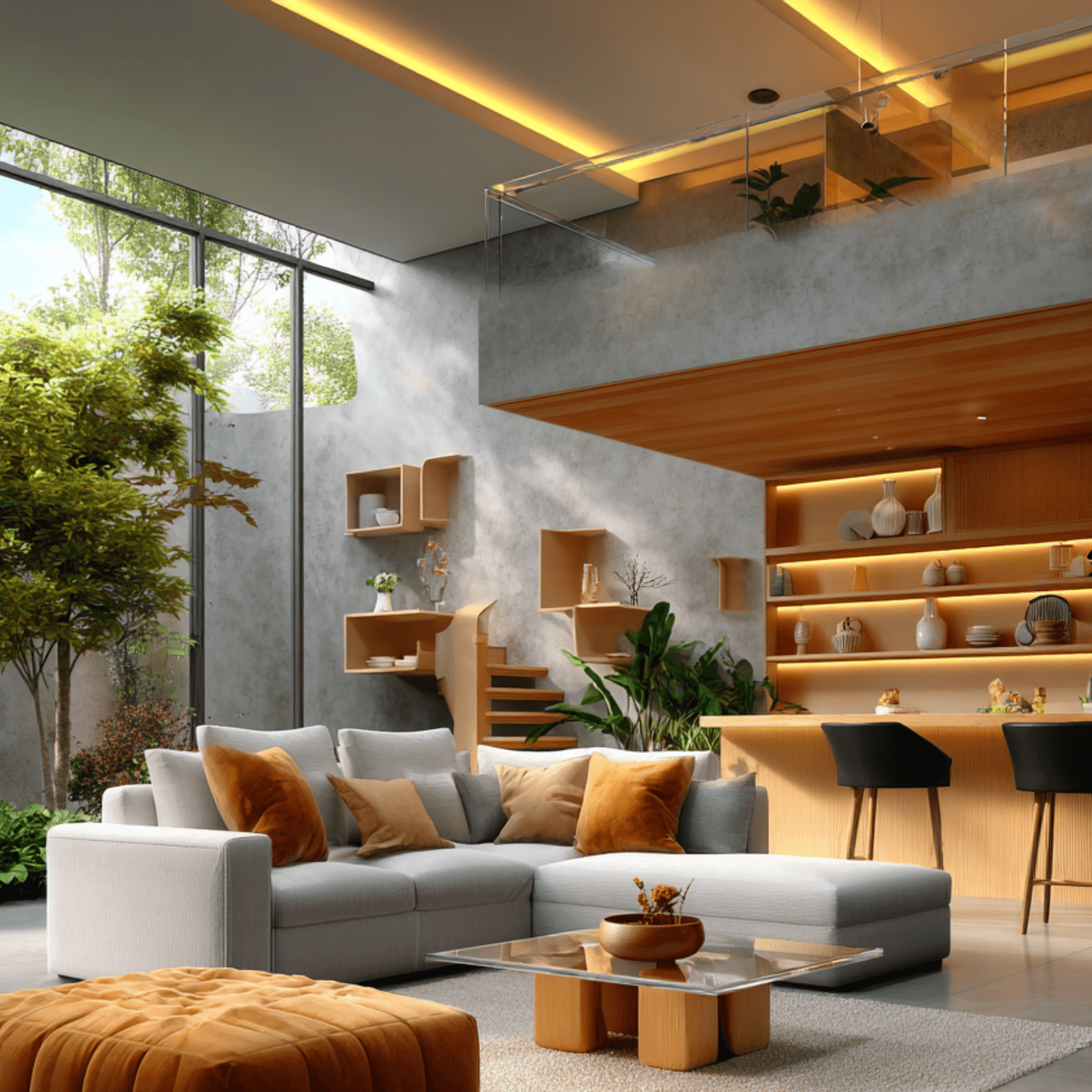
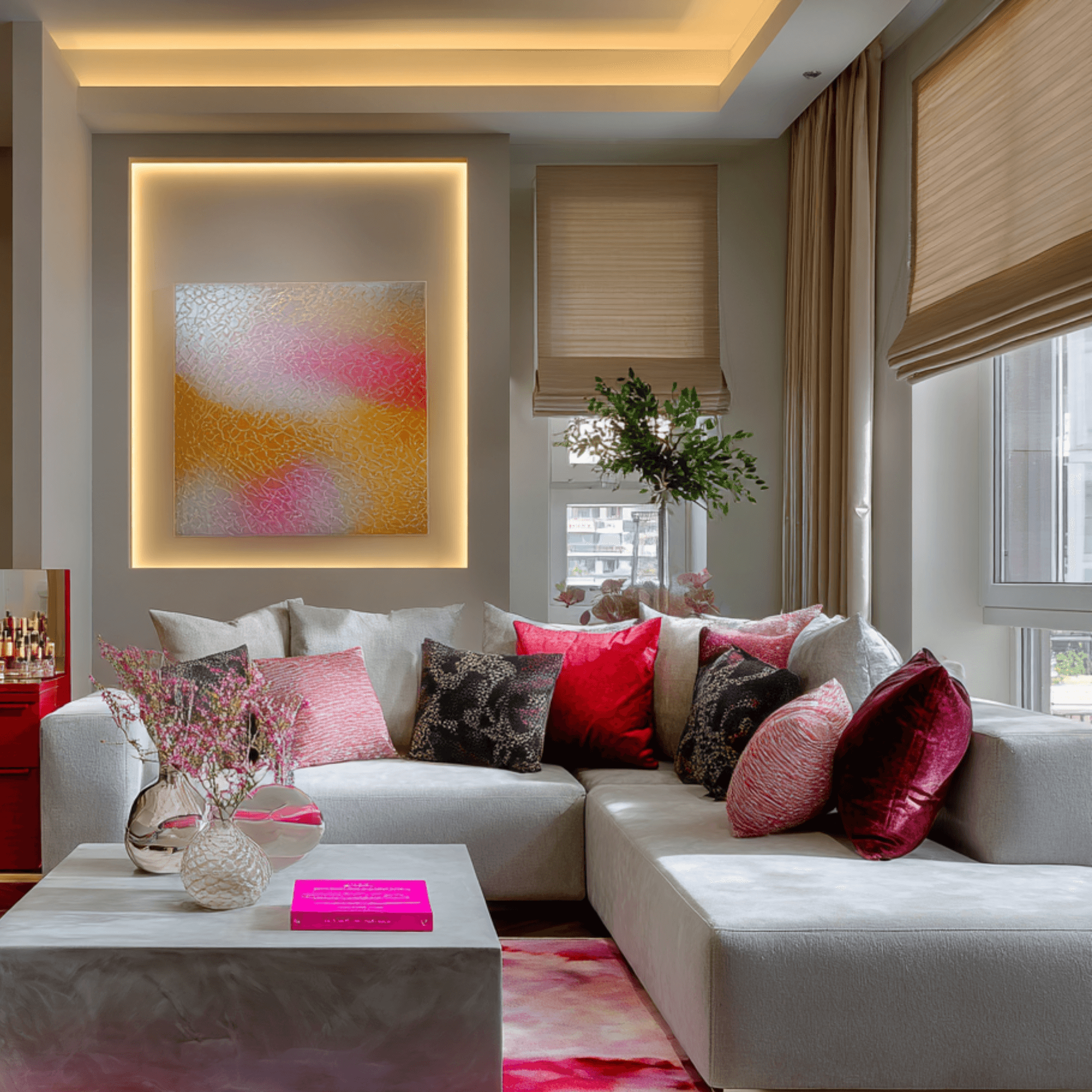
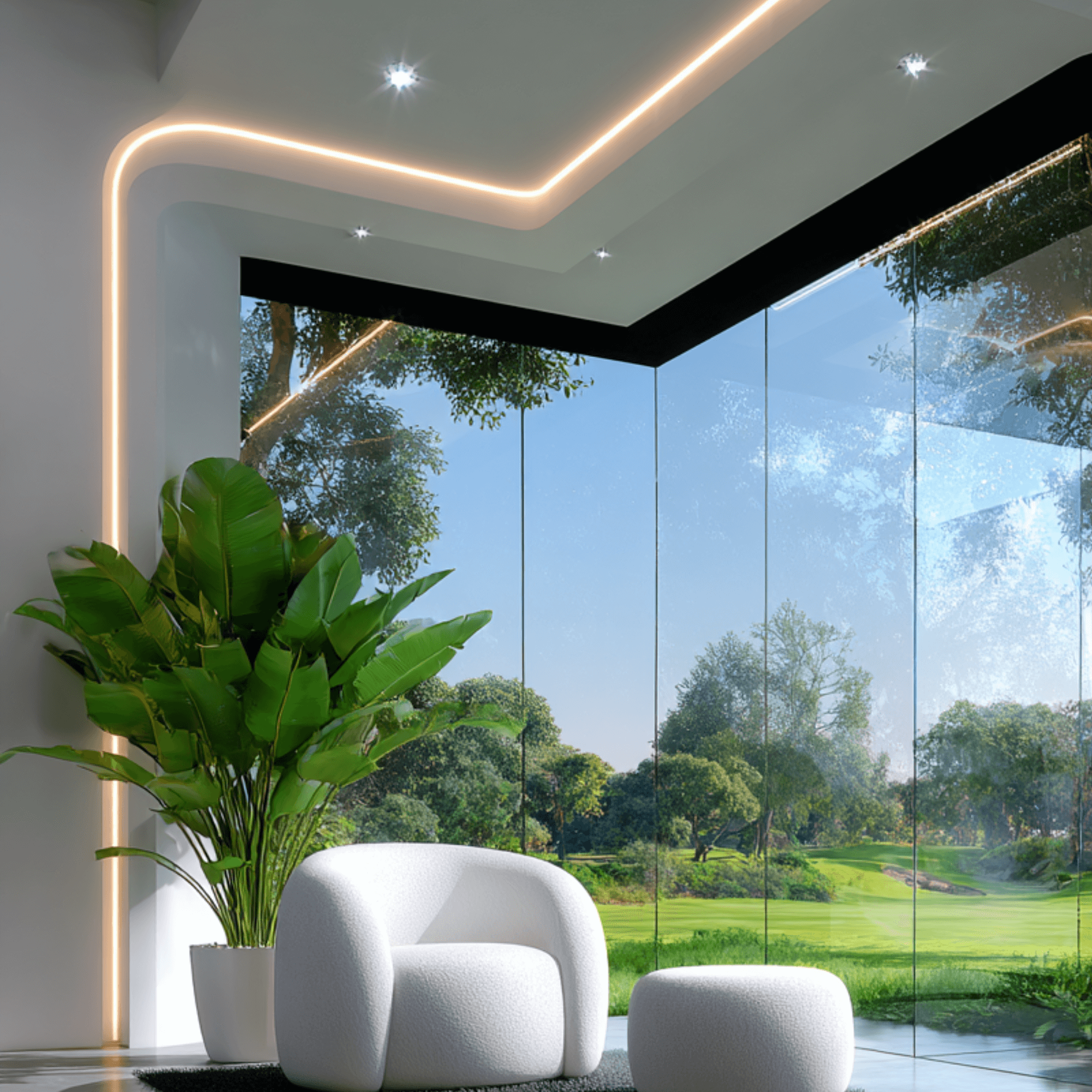
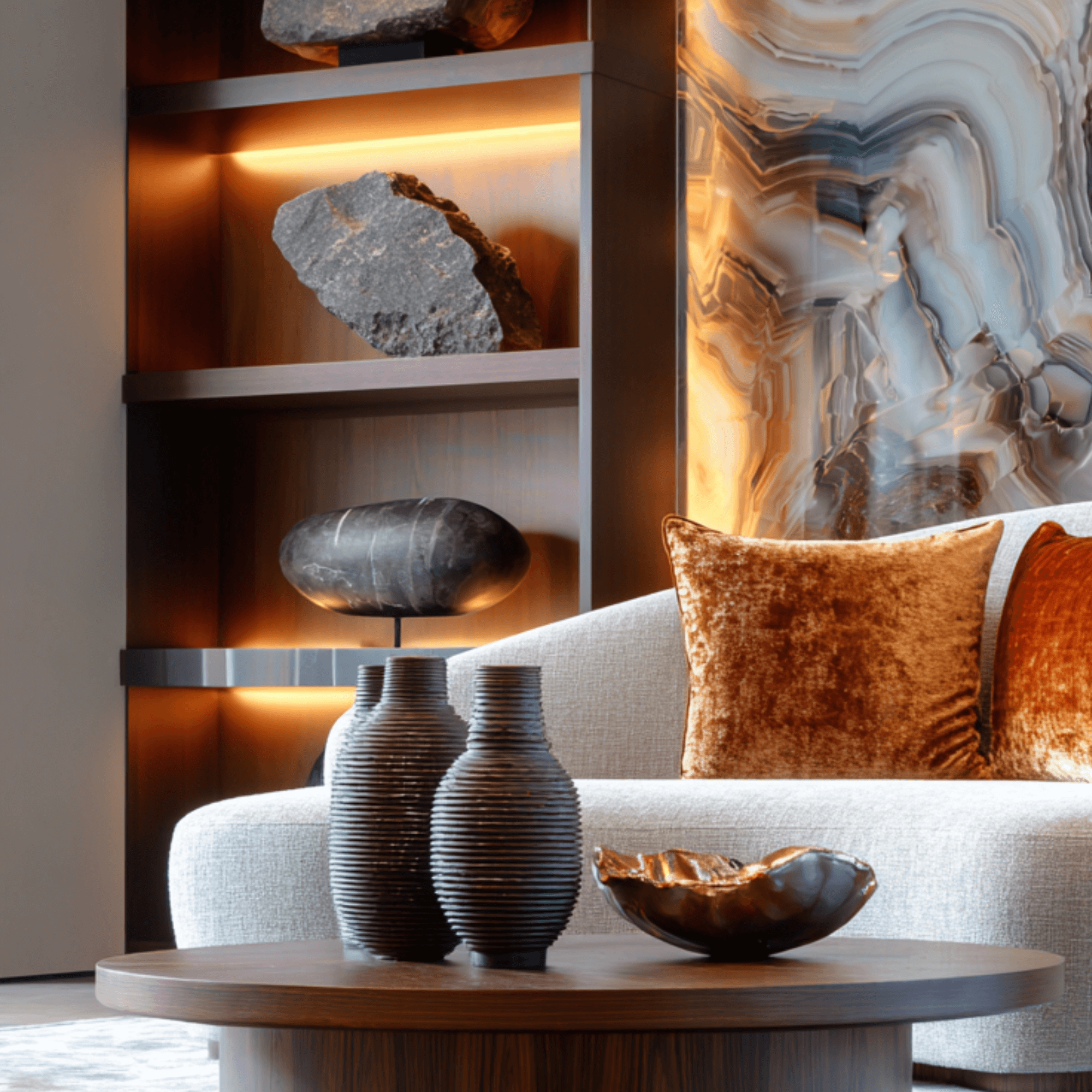
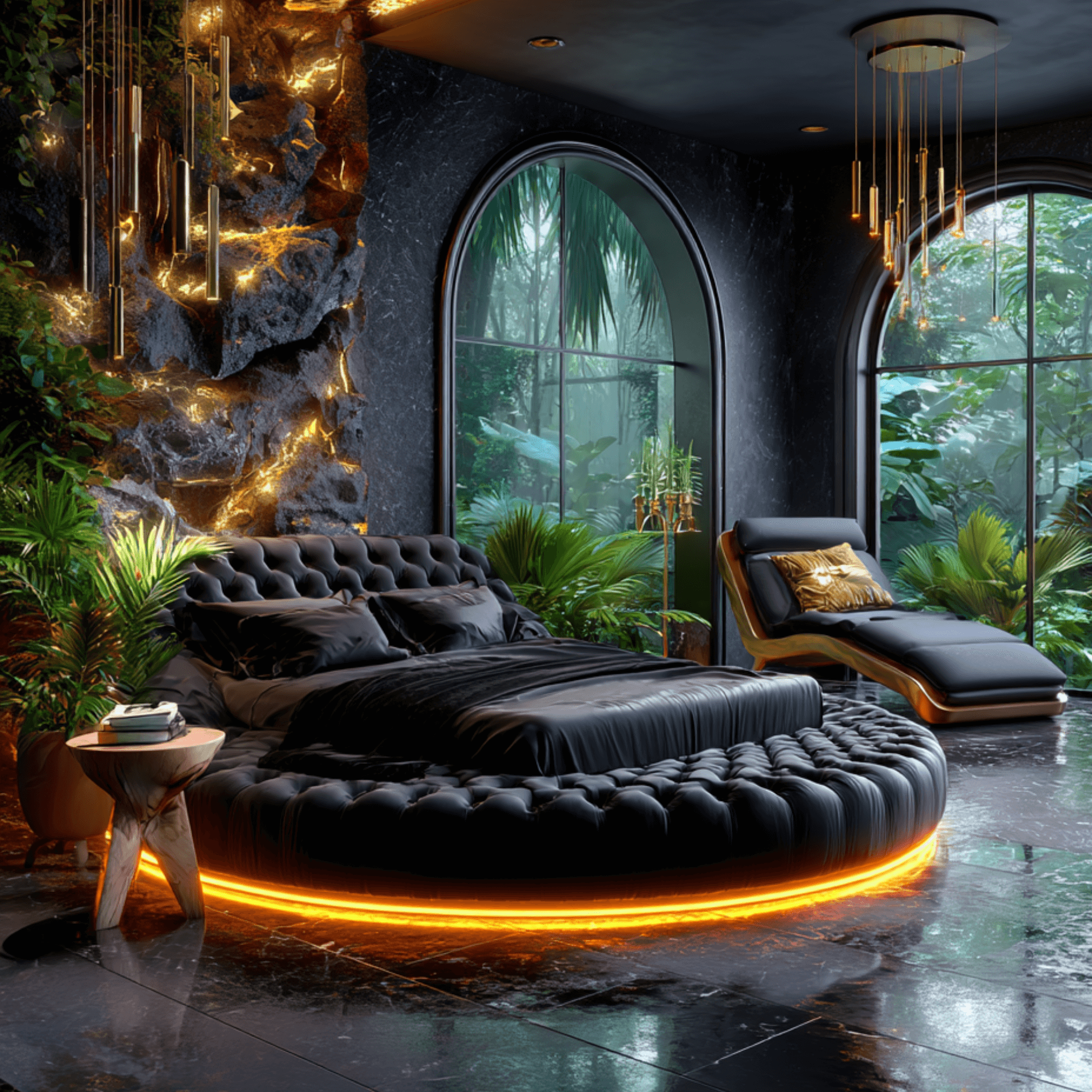
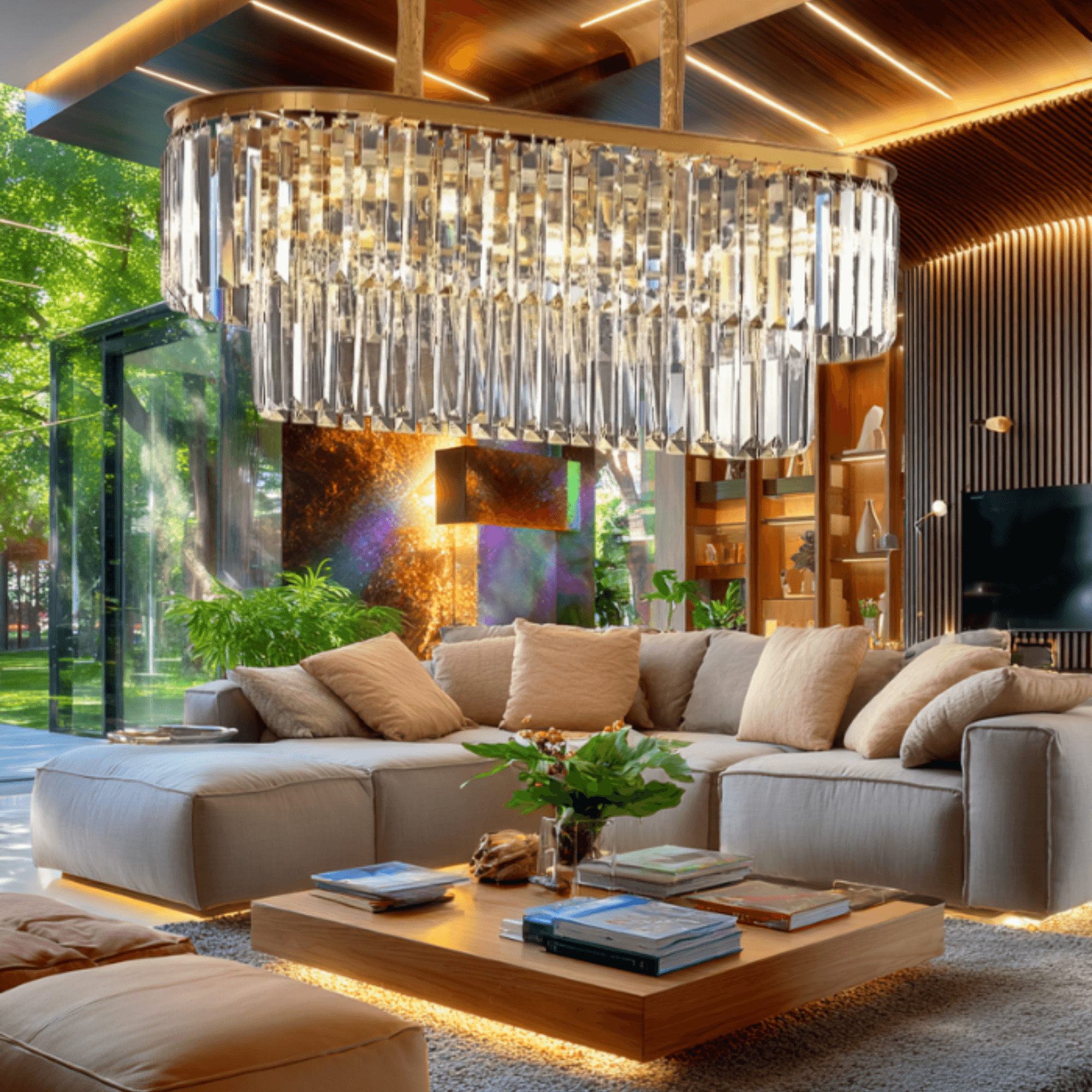
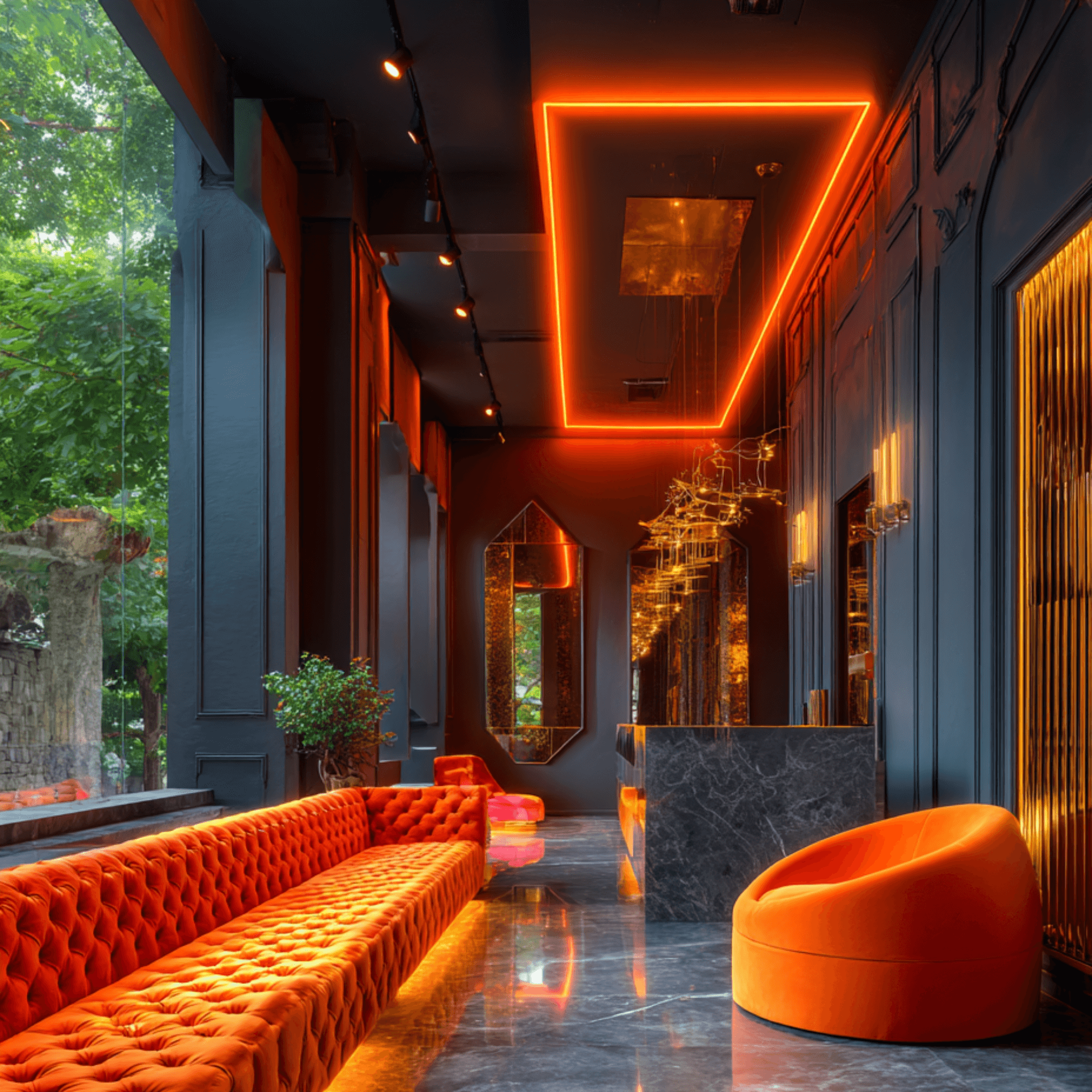
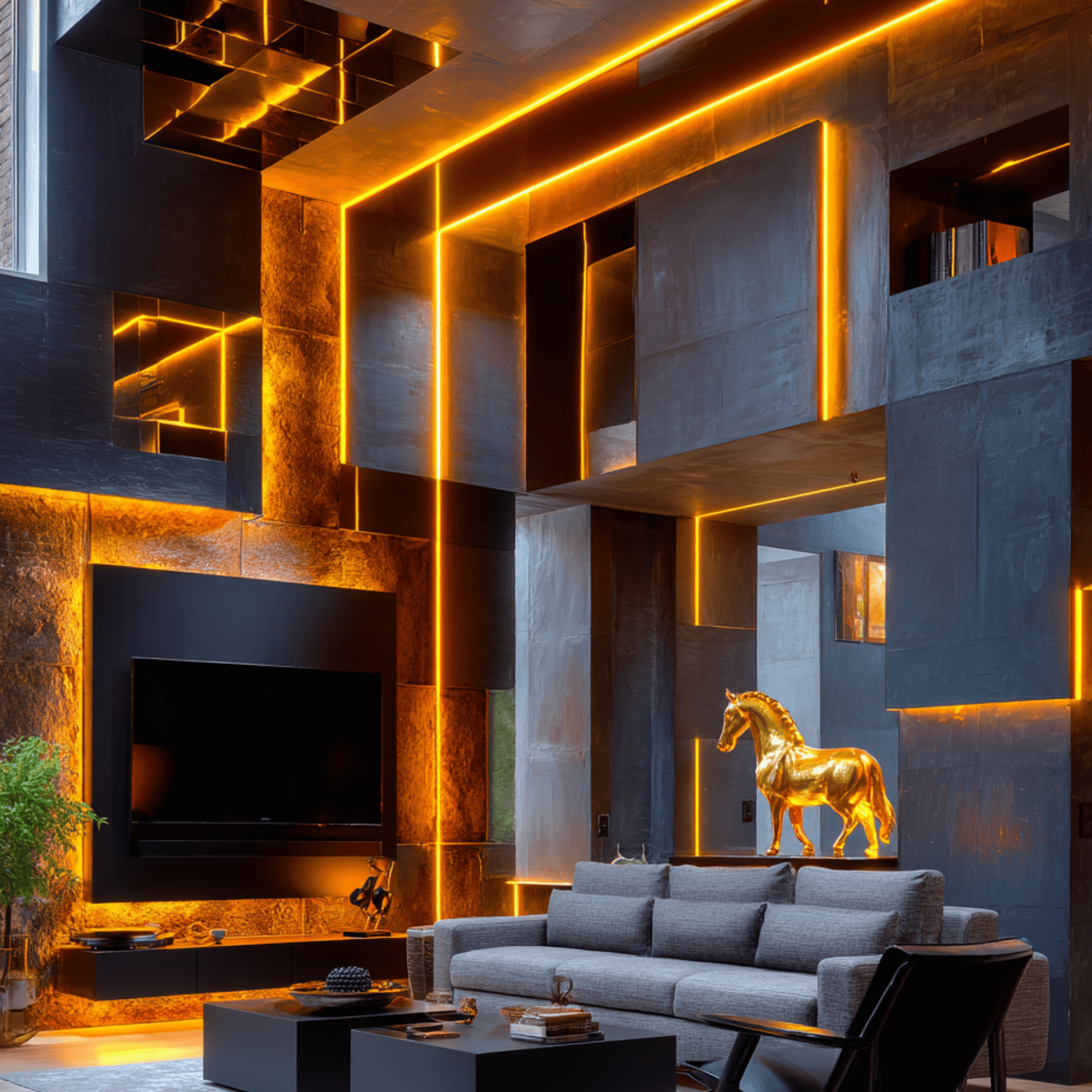
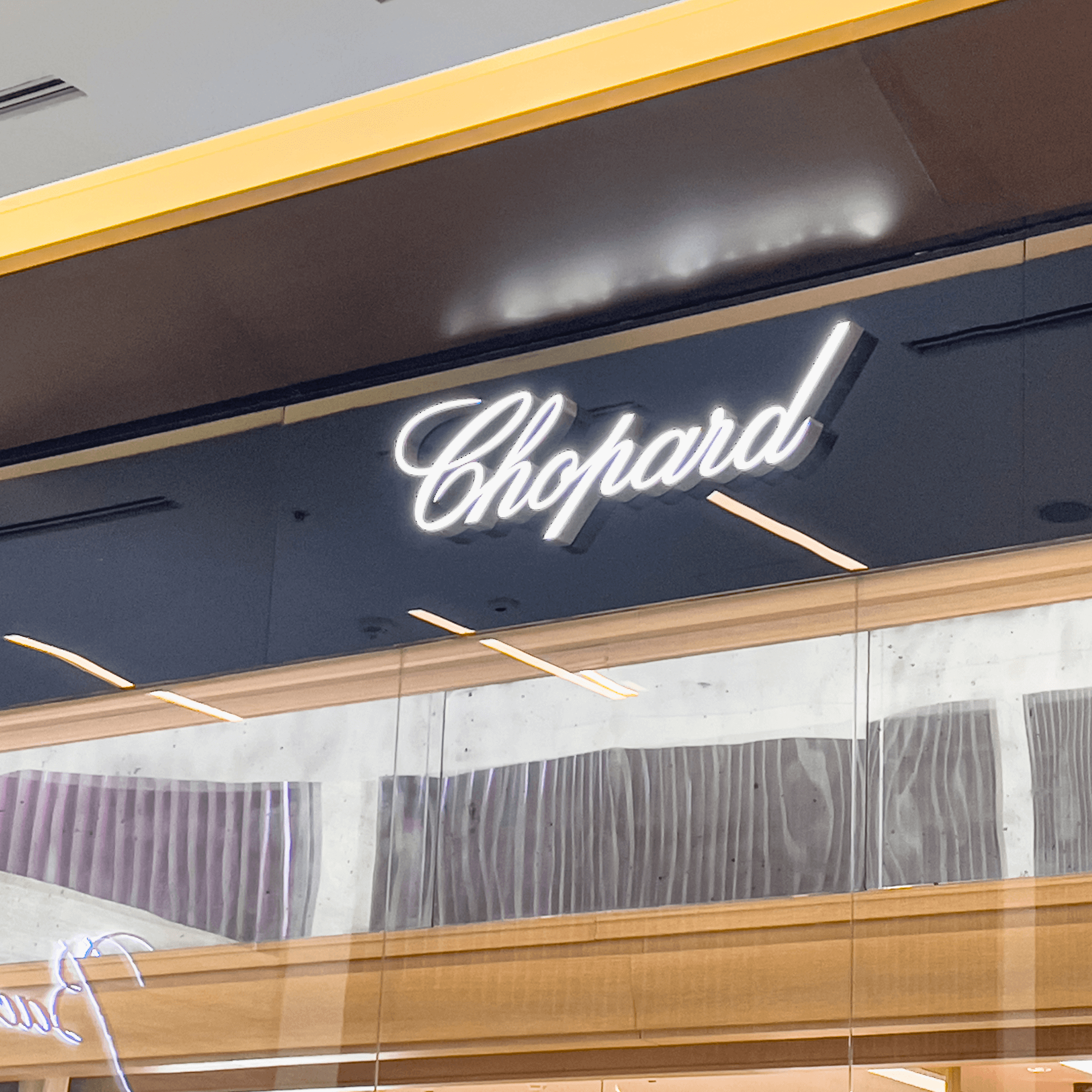
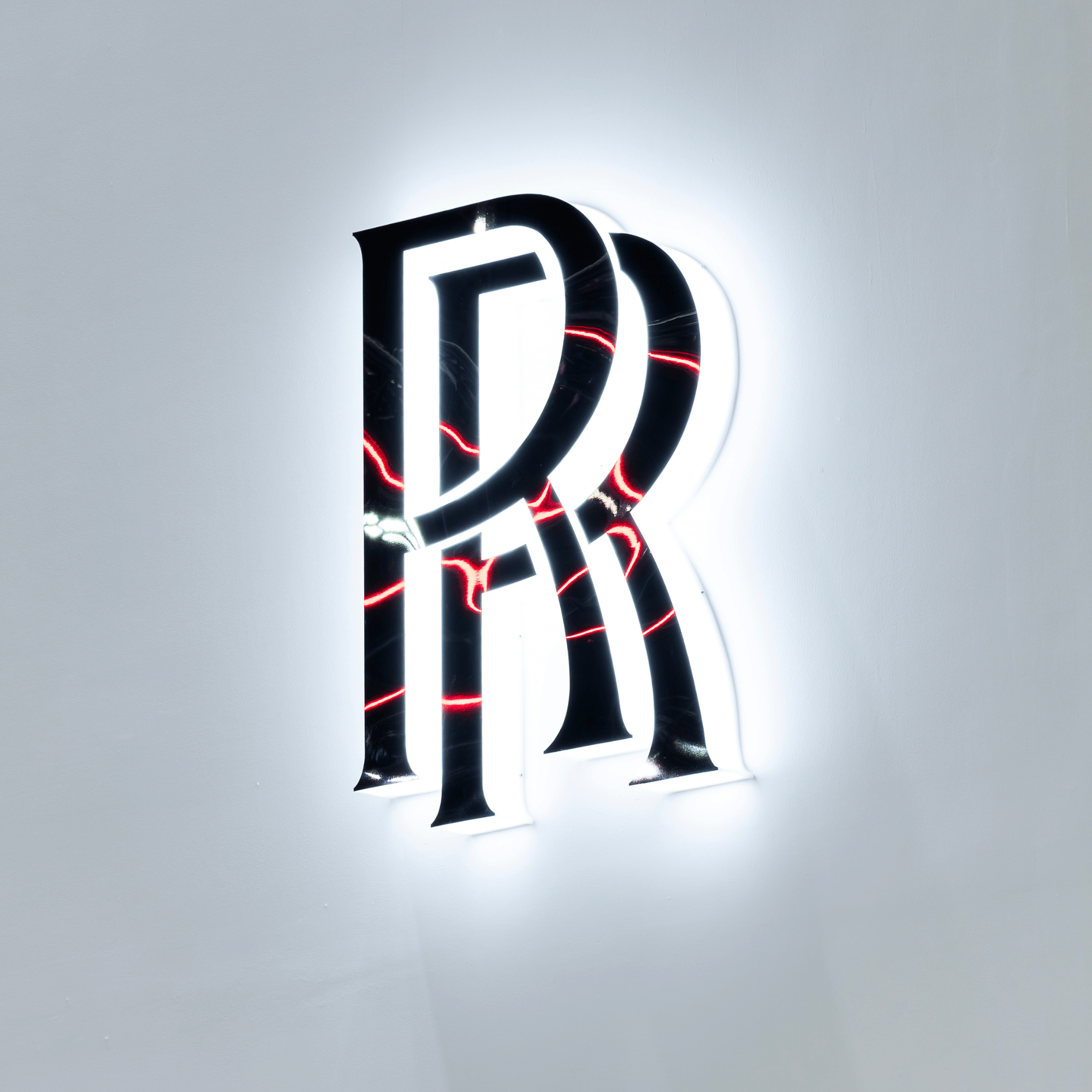
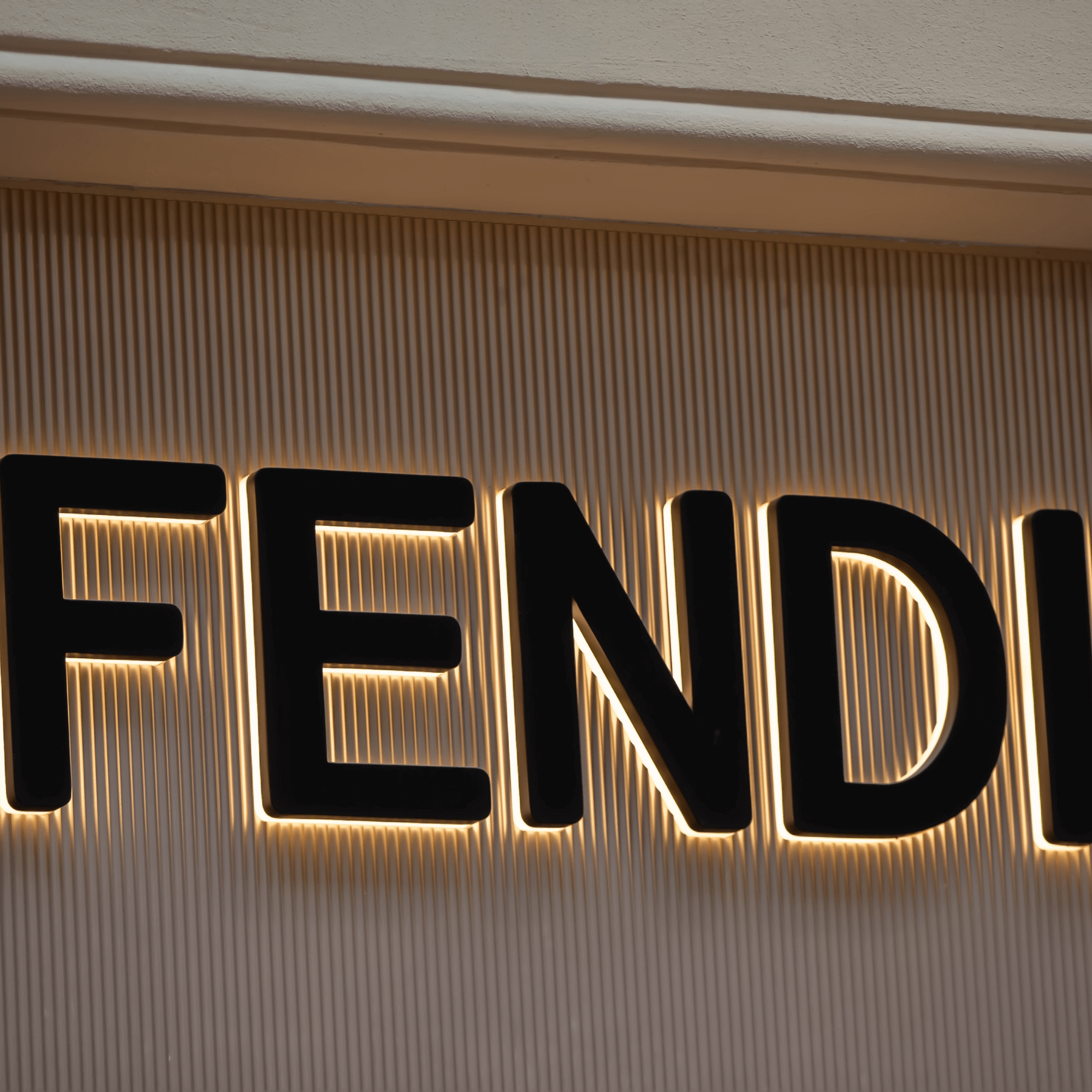
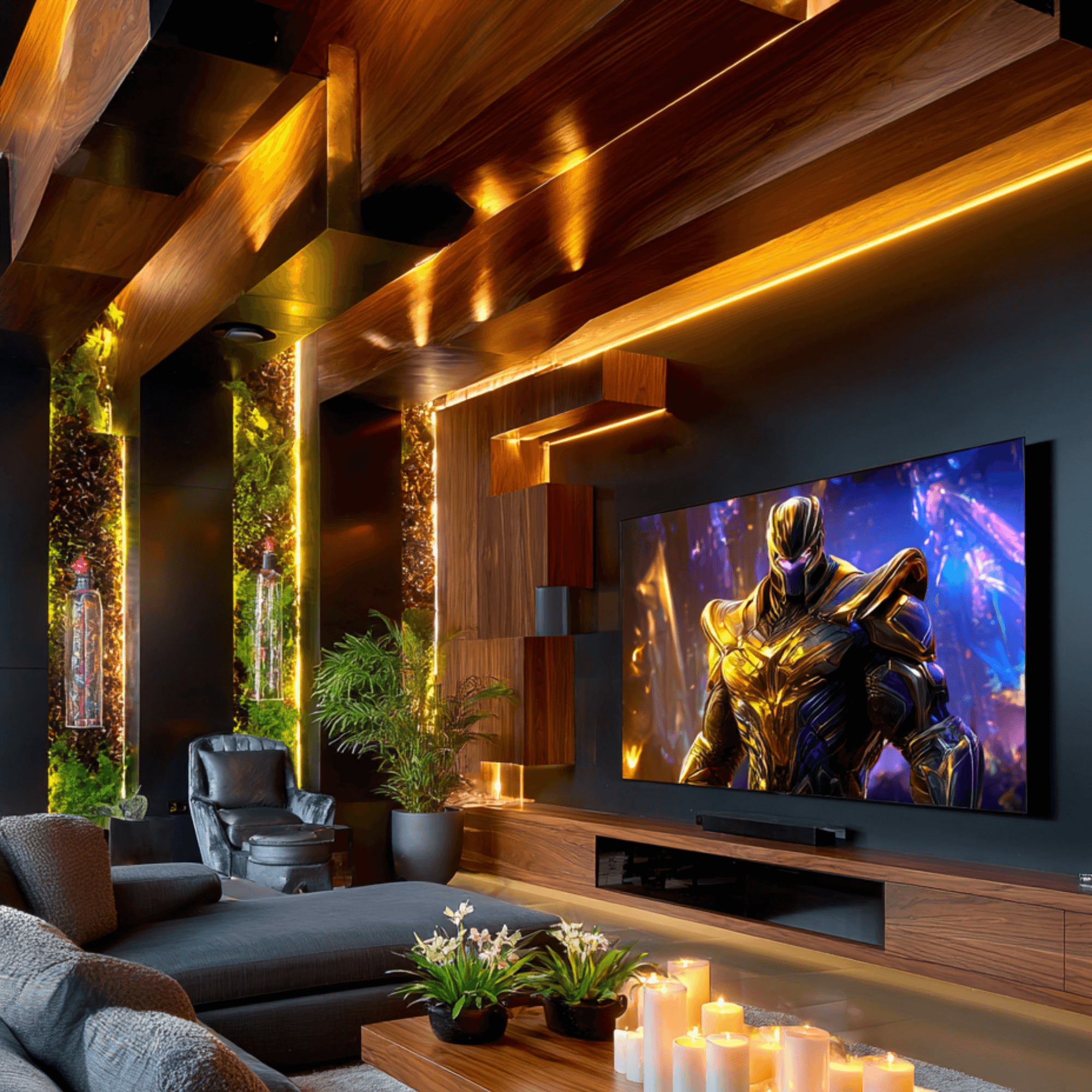
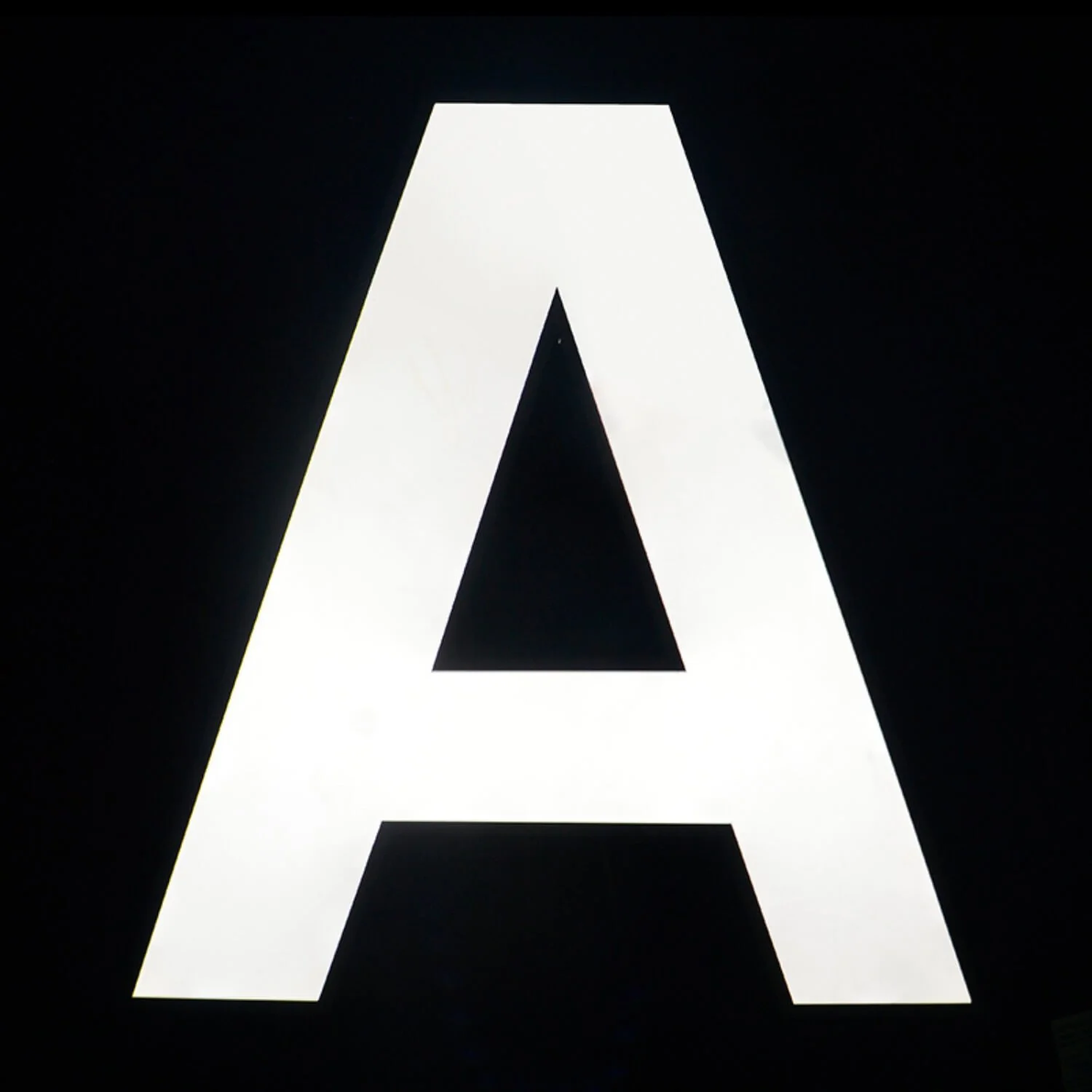
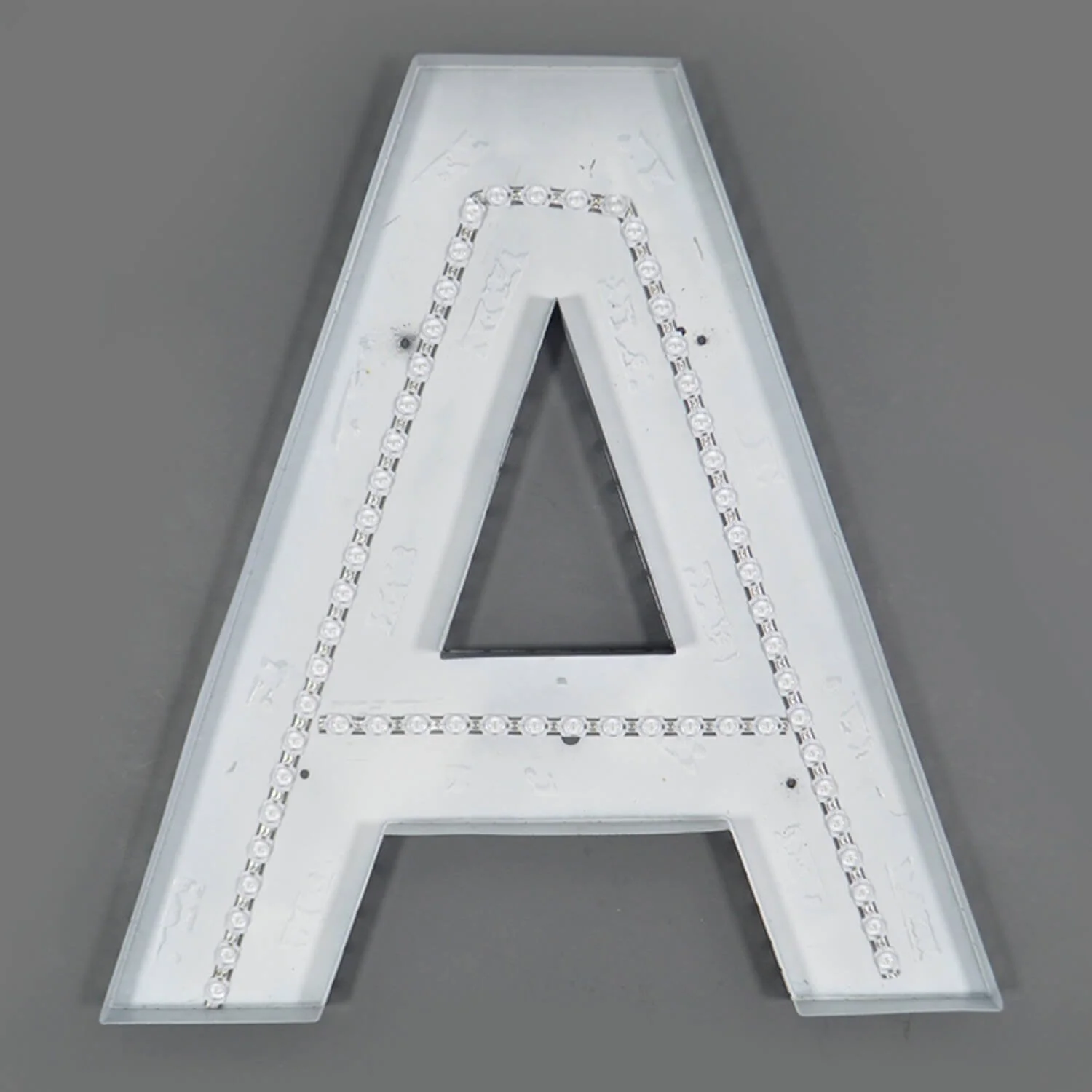
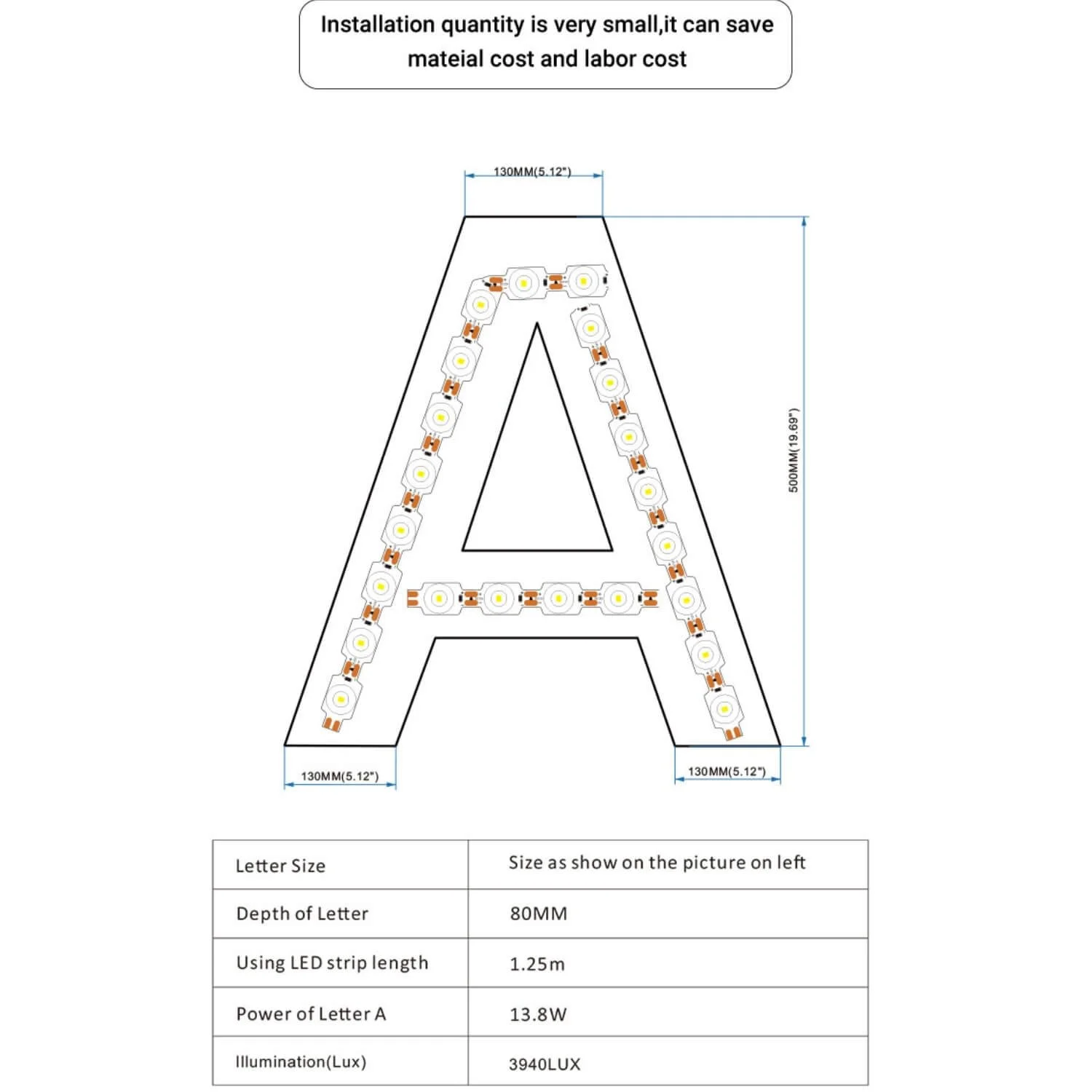
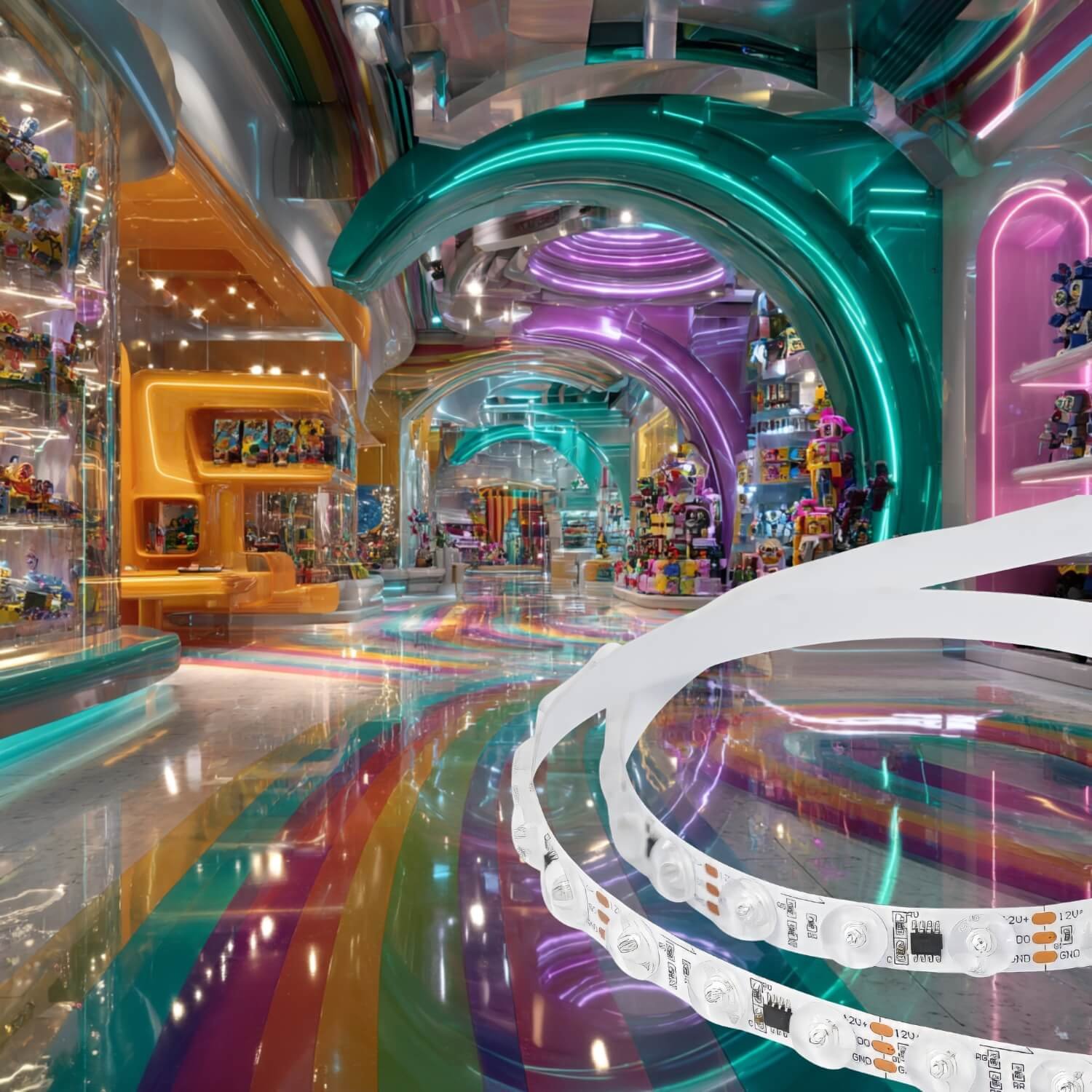
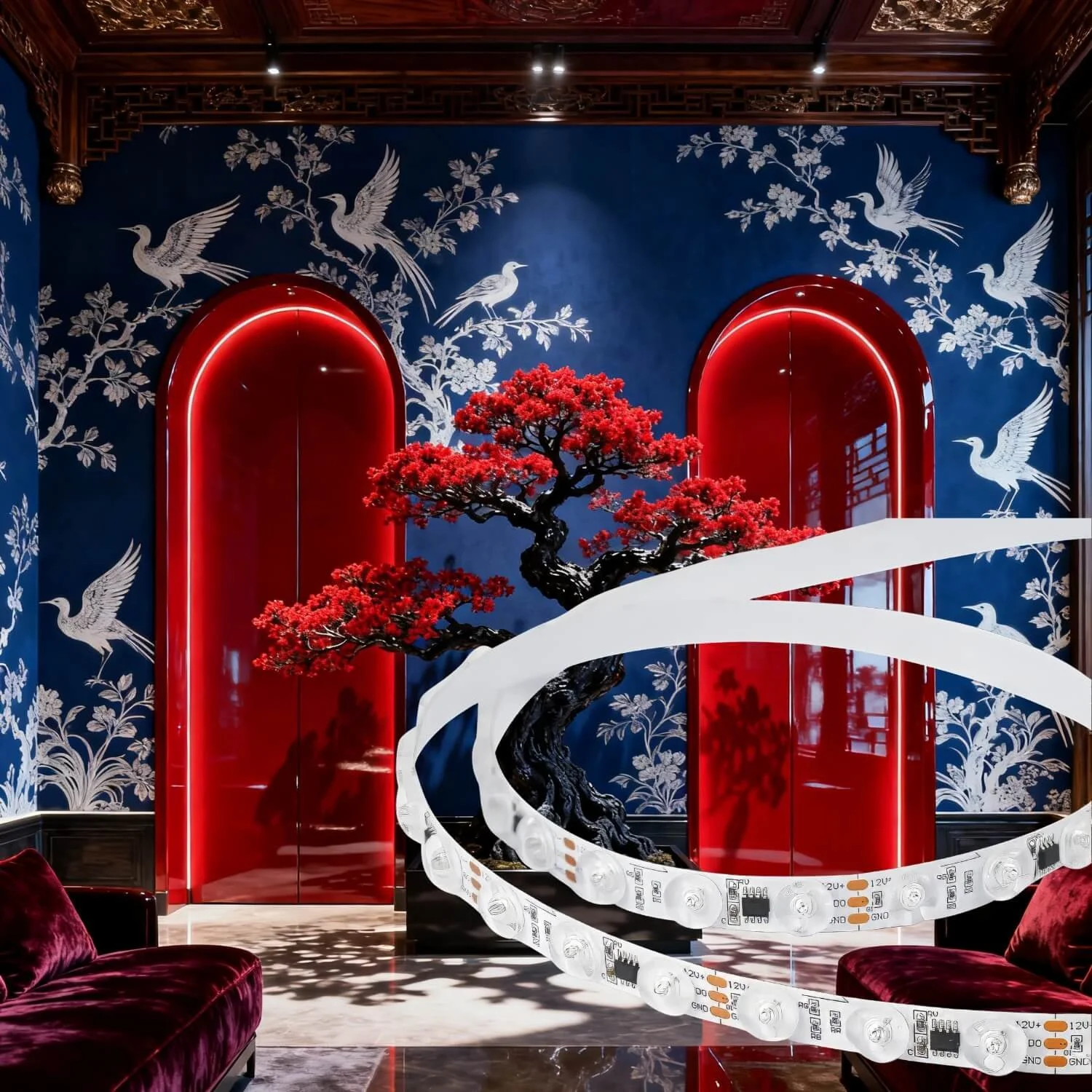
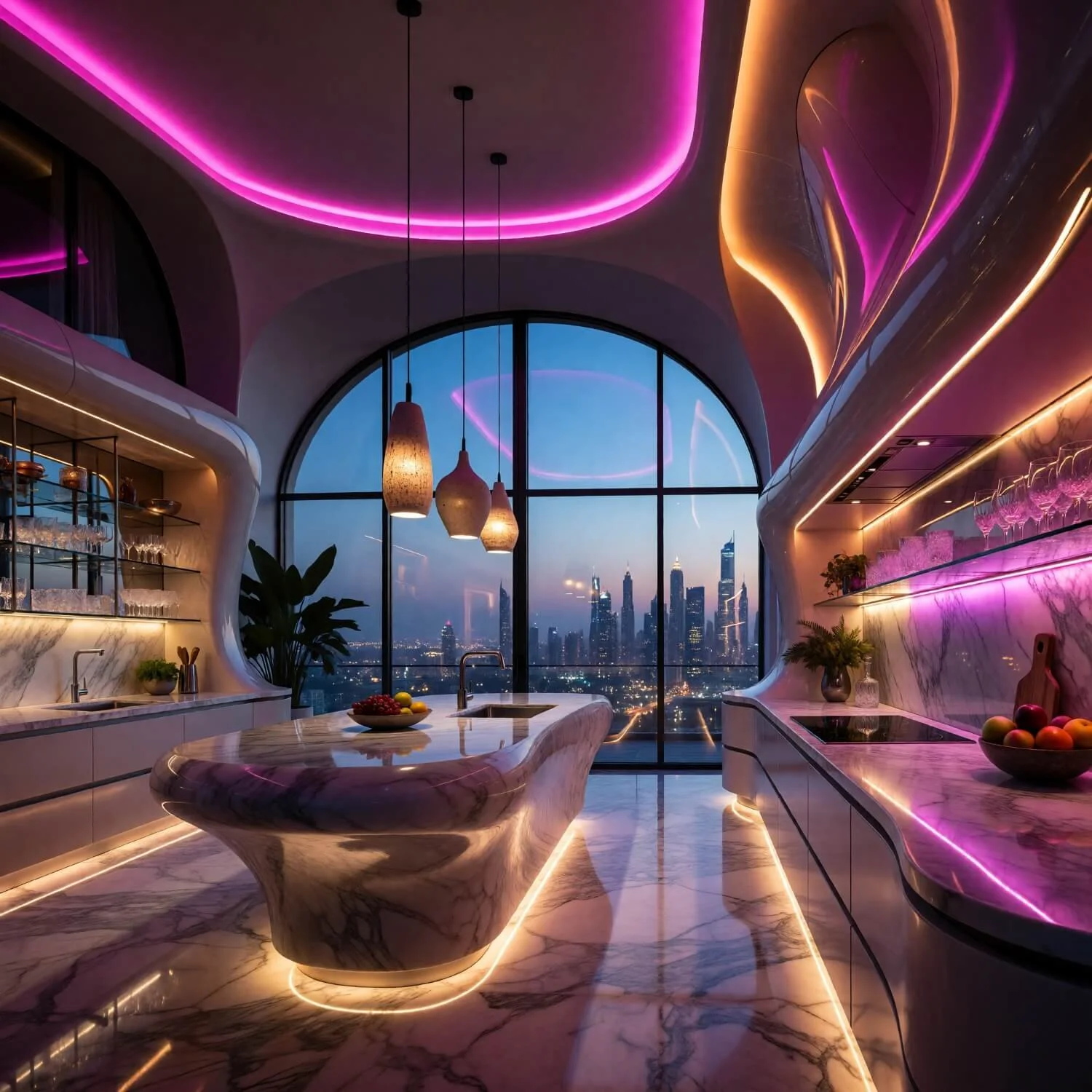
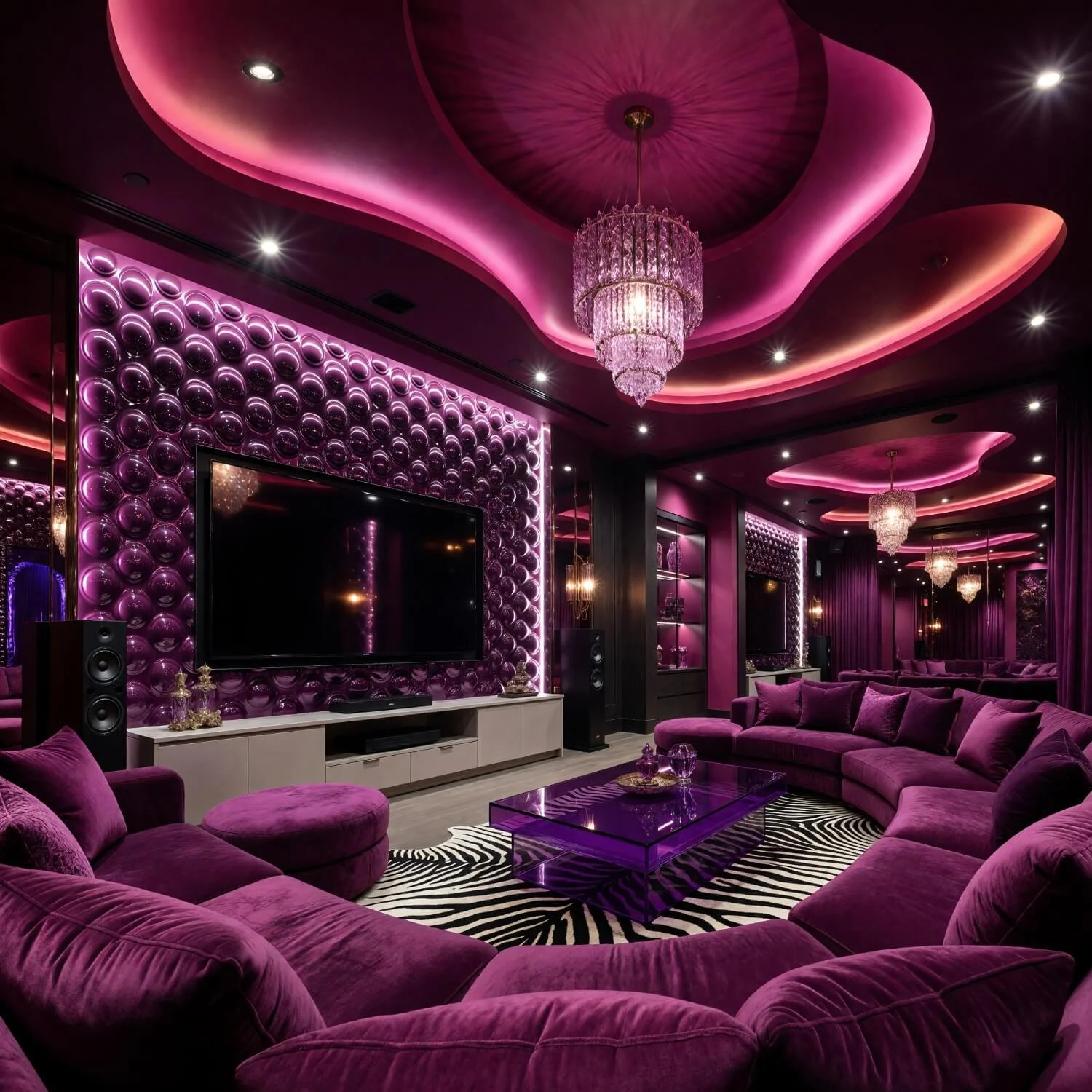
- Cove and ceiling lines, retail displays, signage backlighting, under-cabinet task lighting, architectural accents and exhibition stands.
Need help choosing length, color temperature, or a compatible driver? I’m happy to recommend the right options and calculate the PSU size for your project.
LED Strip — 180 Diodes per Metre (High‑Density Linear Lighting)
Product overview:
- This high-density LED strip delivers a smooth, continuous line of light with 180 diodes per metre — ideal where uniform, low-glare illumination is needed. It’s slim and flexible for seamless installation in coves, displays, cabinets, backlighting and linear architectural accents.
Key specifications:
- LED density: 180 diodes per metre
- Power consumption: 15 W per metre
- Working voltage: 12 V DC or 24 V DC
- Dimensions: 8 mm (W) x 1.5 mm (H)
- CRI: 80 (good color rendering for most applications)
- Warranty: 24 months
Why choose this strip:
- Ultra-smooth, high-density output for professional-looking lines of light.
- Low-profile design fits into narrow channels and discreet mounting locations.
- Flexible and easy to shape around contours or inside profiles.
- Reliable performance with a 24‑month warranty.
Installation tips (simple and safe):
- Surface prep: wipe mounting surface clean and dry for best adhesion.
- Peel-and-stick backing: tear off the adhesive liner and press the strip in place.
- Polarity: red = V+ (positive). Black = C (CW/negative) — confirm wiring before powering.
- Cut only at the printed cut marks on the strip. Use connectors (not included) or solder for joins.
- Power supply selection: use a DC driver sized to the strip length. Recommended PSU wattage = strip length (m) × 15 W, plus a safety margin of ~20% (e.g., 5 m → 5 × 15 = 75 W → choose ~90 W–100 W).
- For long runs, add power injection points to prevent voltage drop and visible dimming. Use appropriate wire gauge and connectors.
Applications:
- Cove and ceiling lines, retail displays, signage backlighting, under-cabinet task lighting, architectural accents and exhibition stands.
Need help choosing length, color temperature, or a compatible driver? I’m happy to recommend the right options and calculate the PSU size for your project.


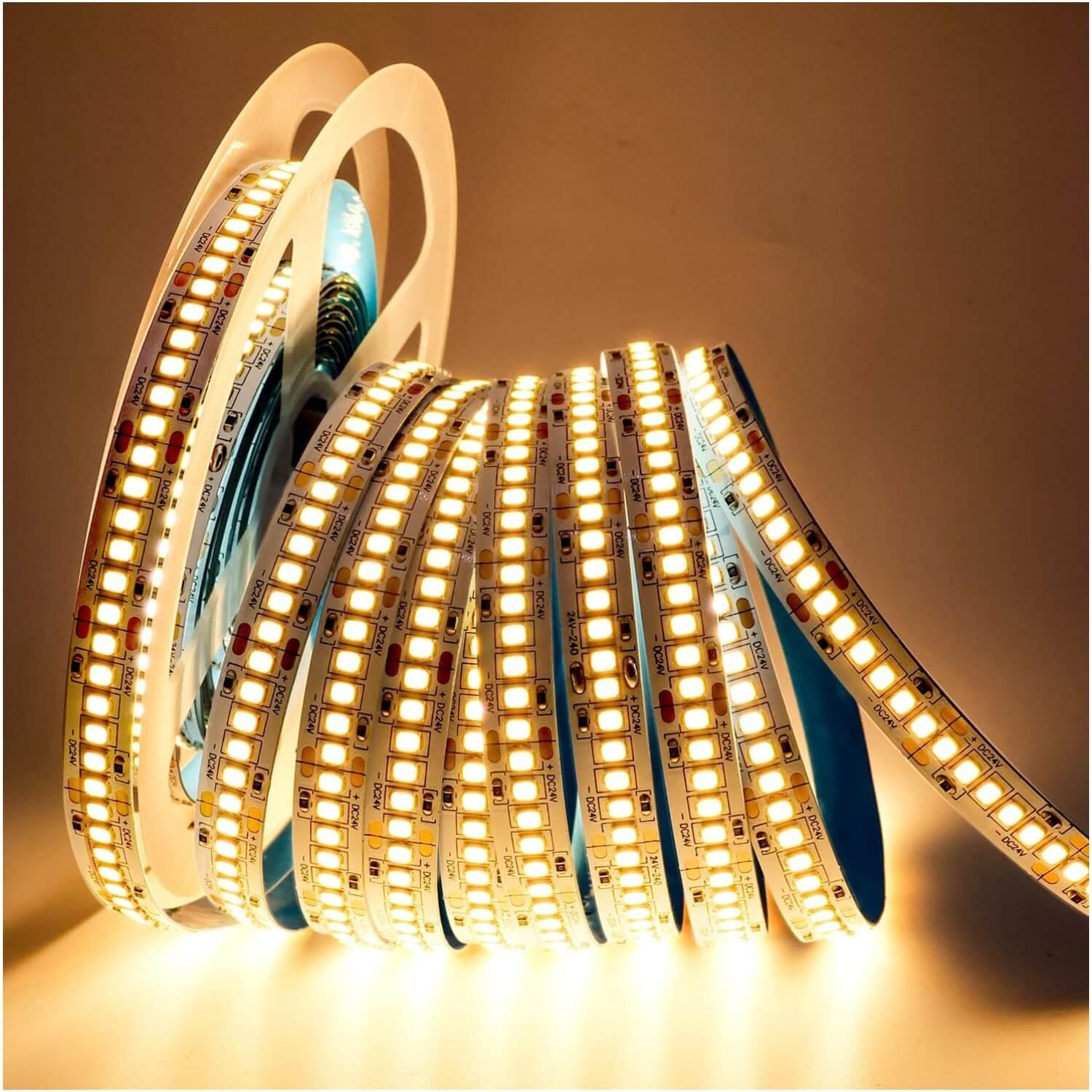 Image 1 of 22
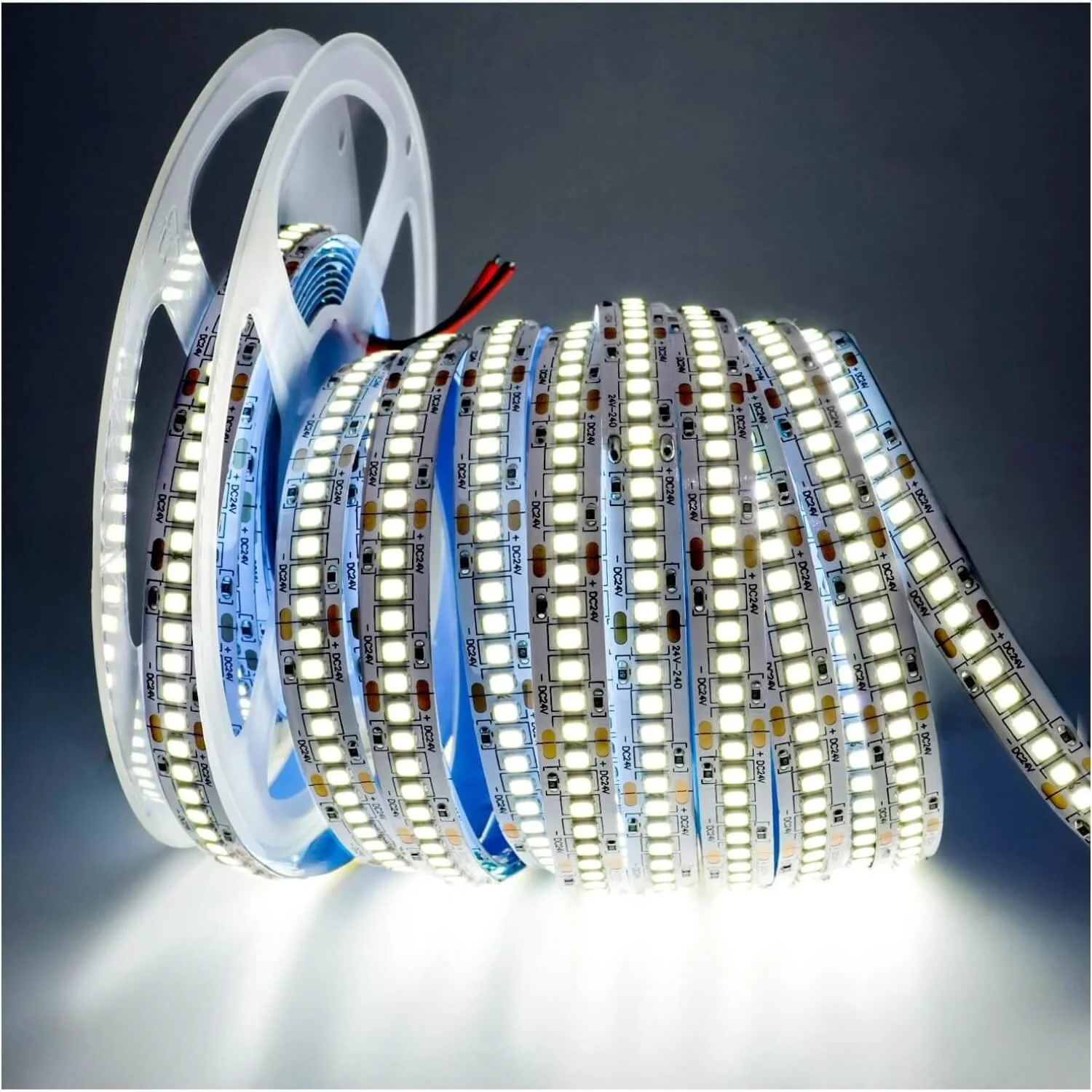 Image 2 of 22
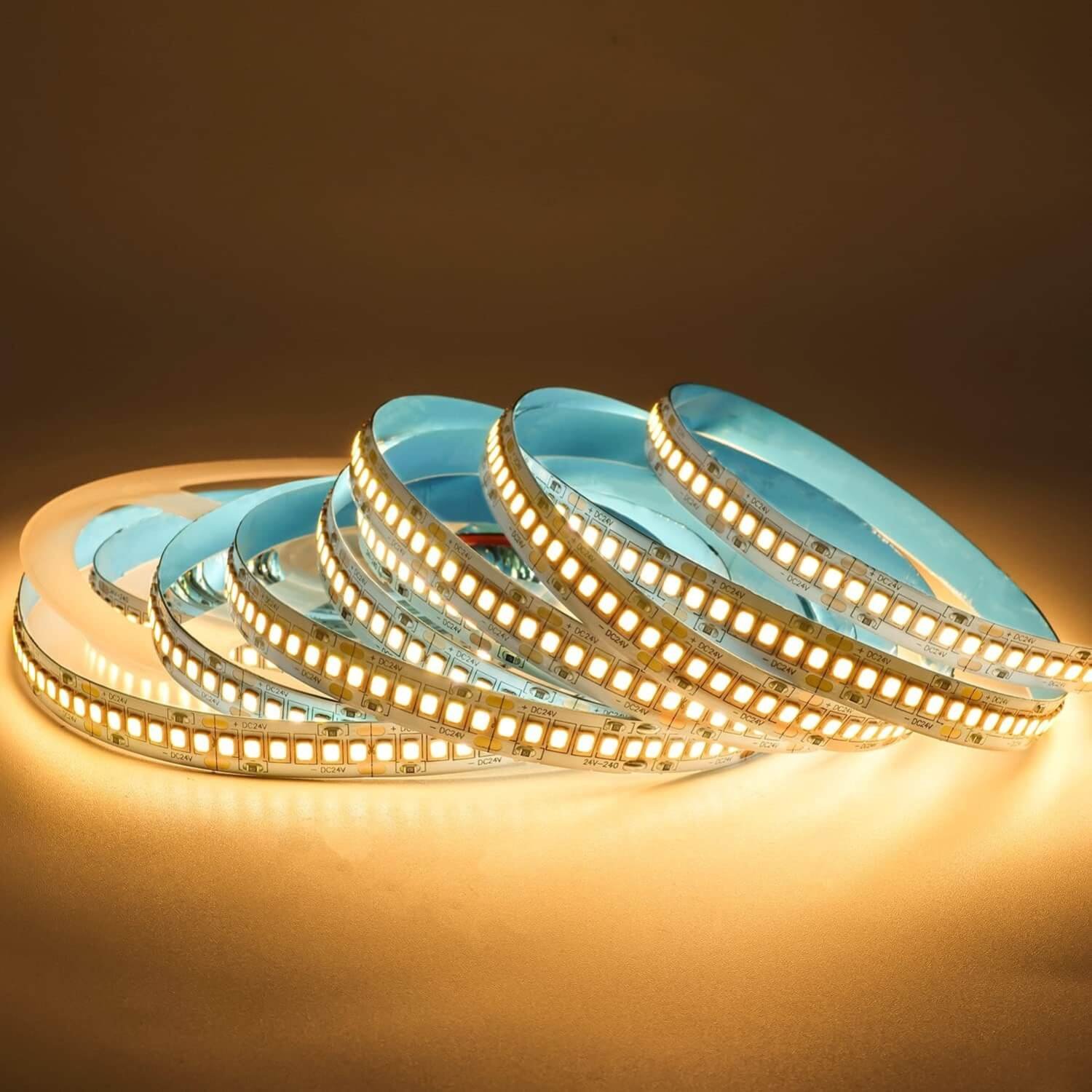 Image 3 of 22
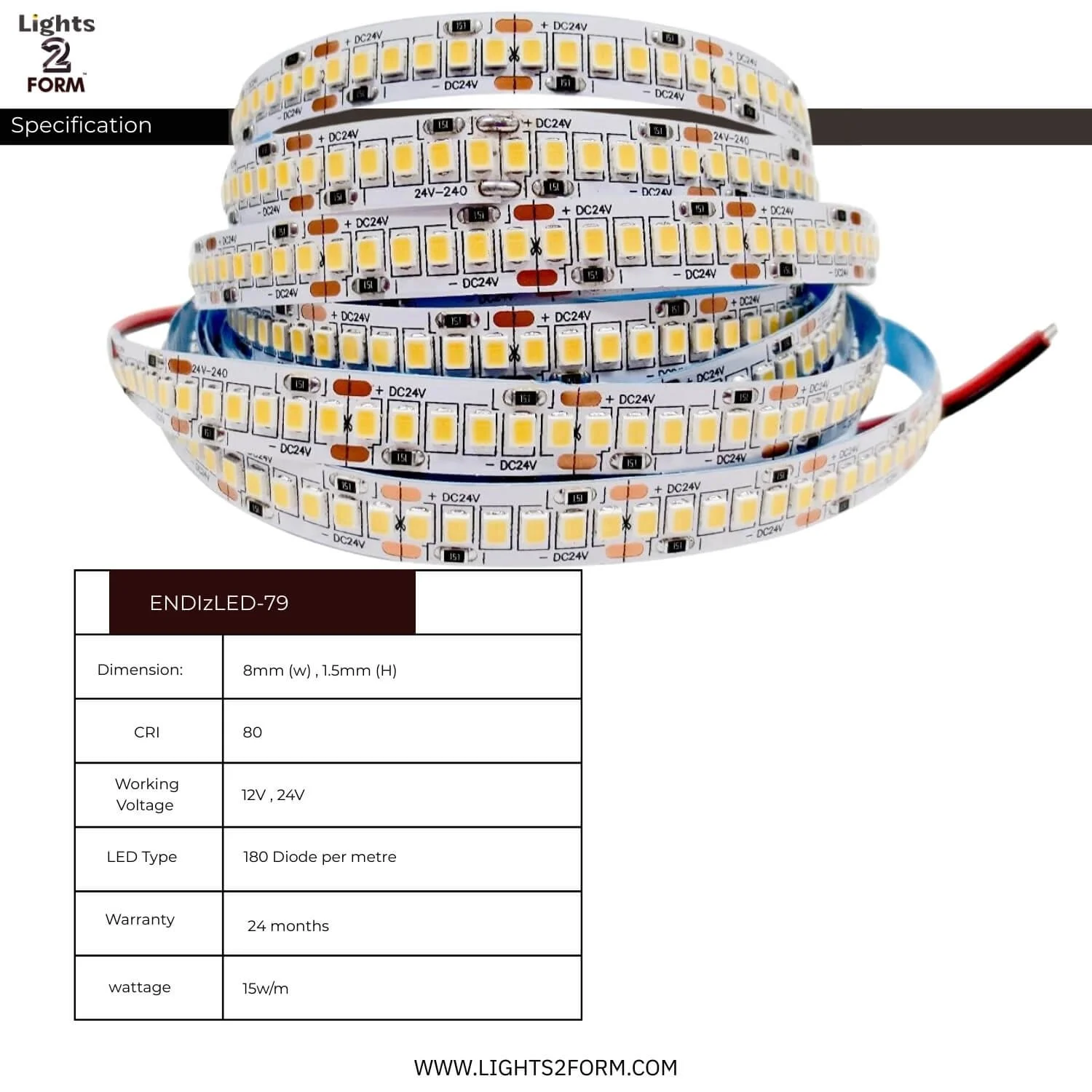 Image 4 of 22
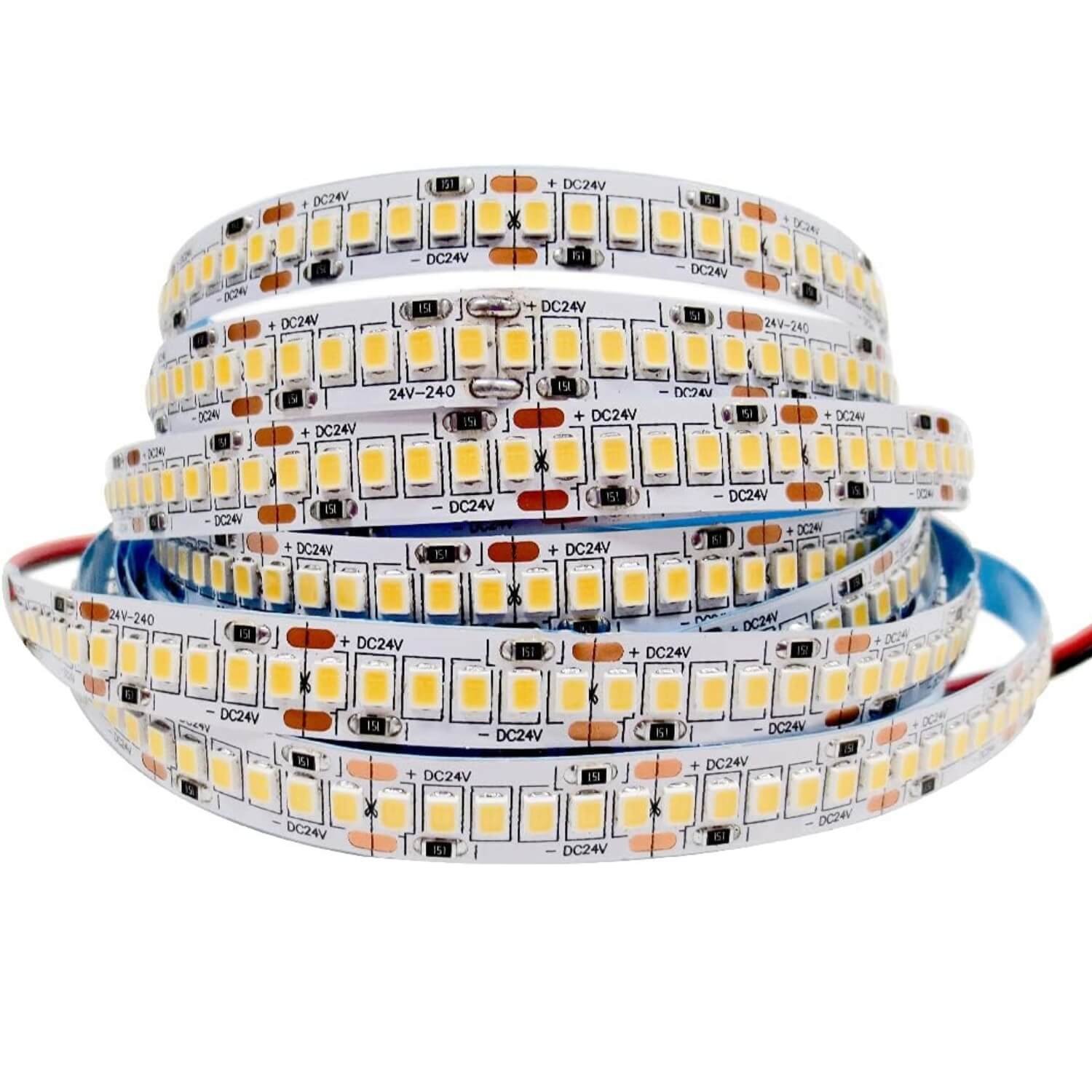 Image 5 of 22
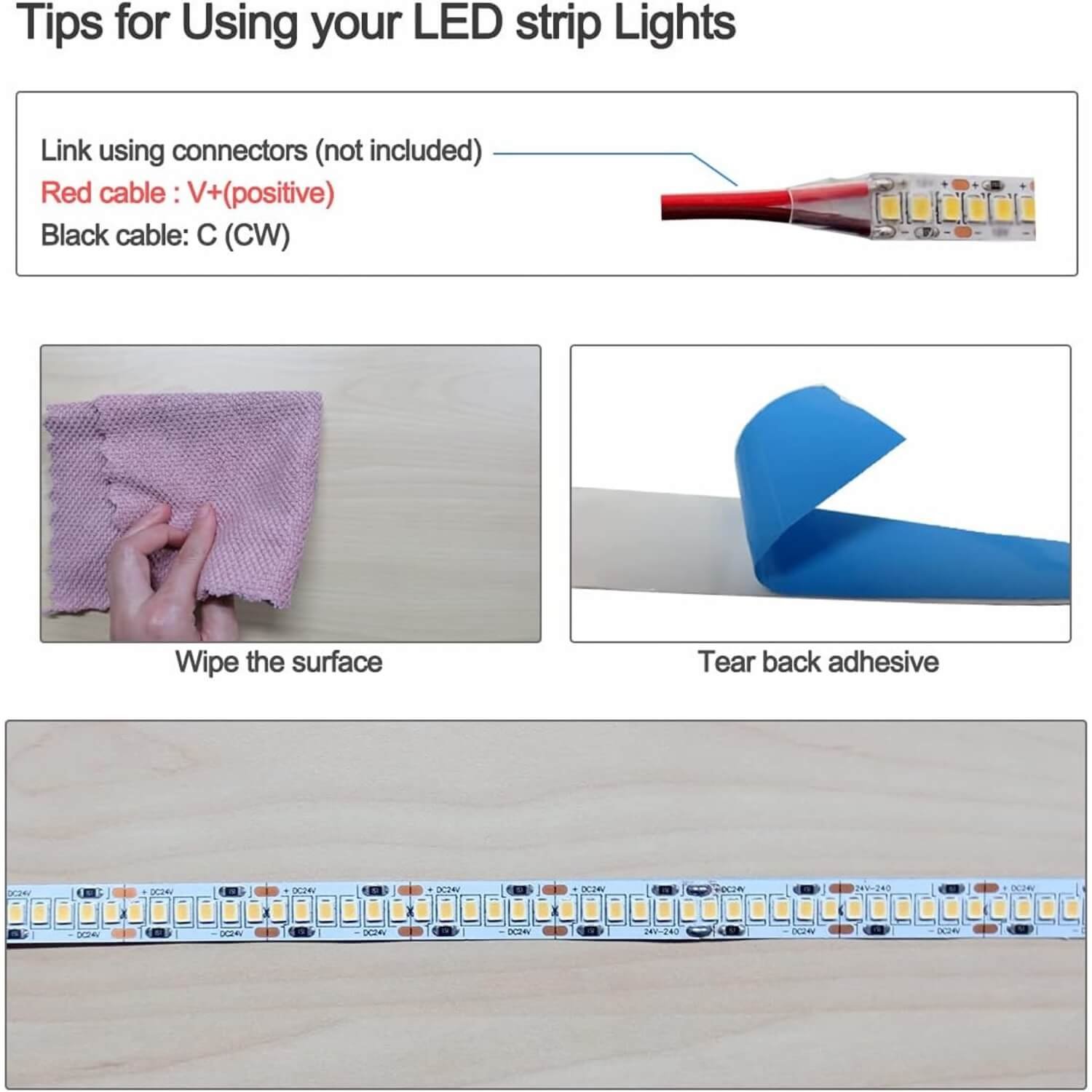 Image 6 of 22
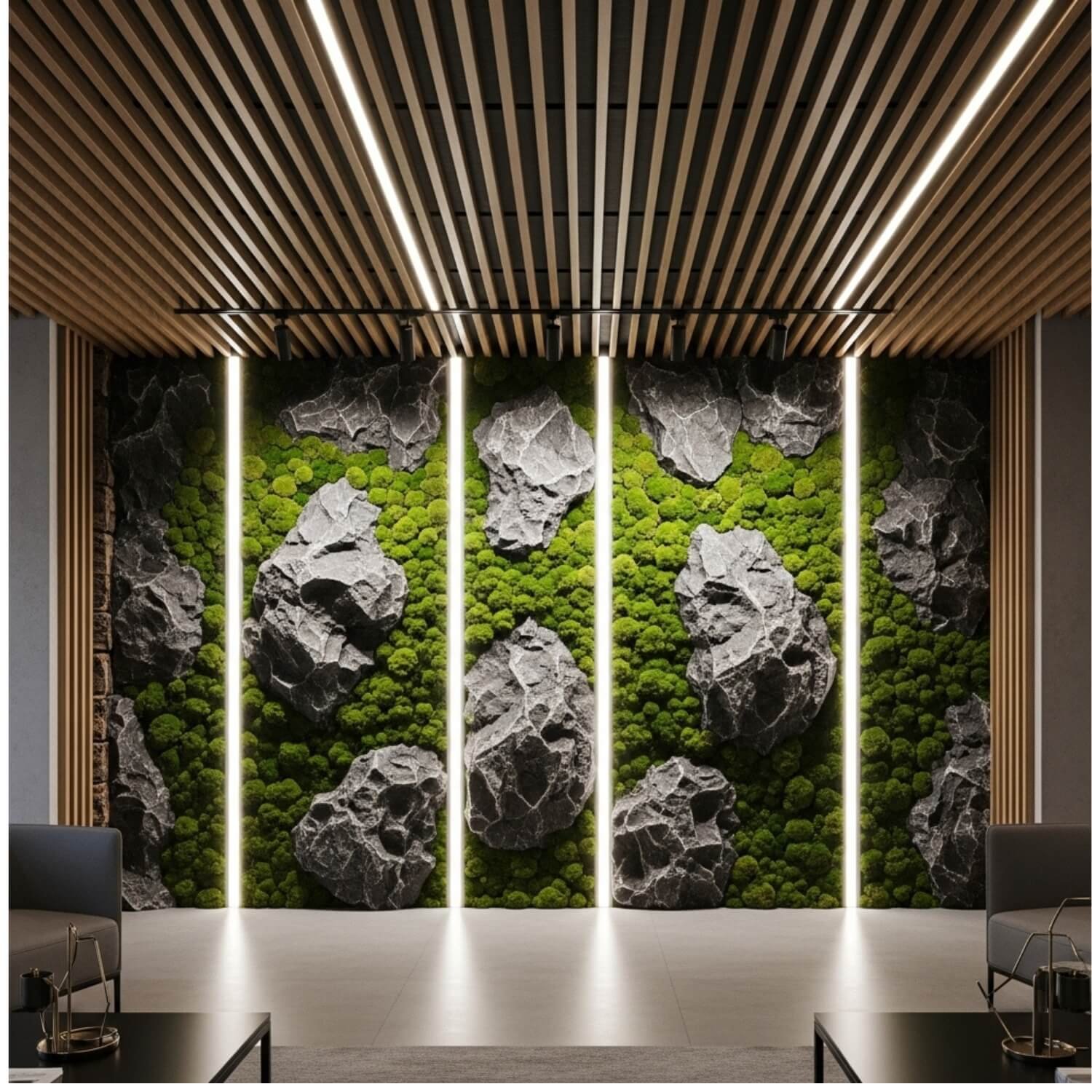 Image 7 of 22
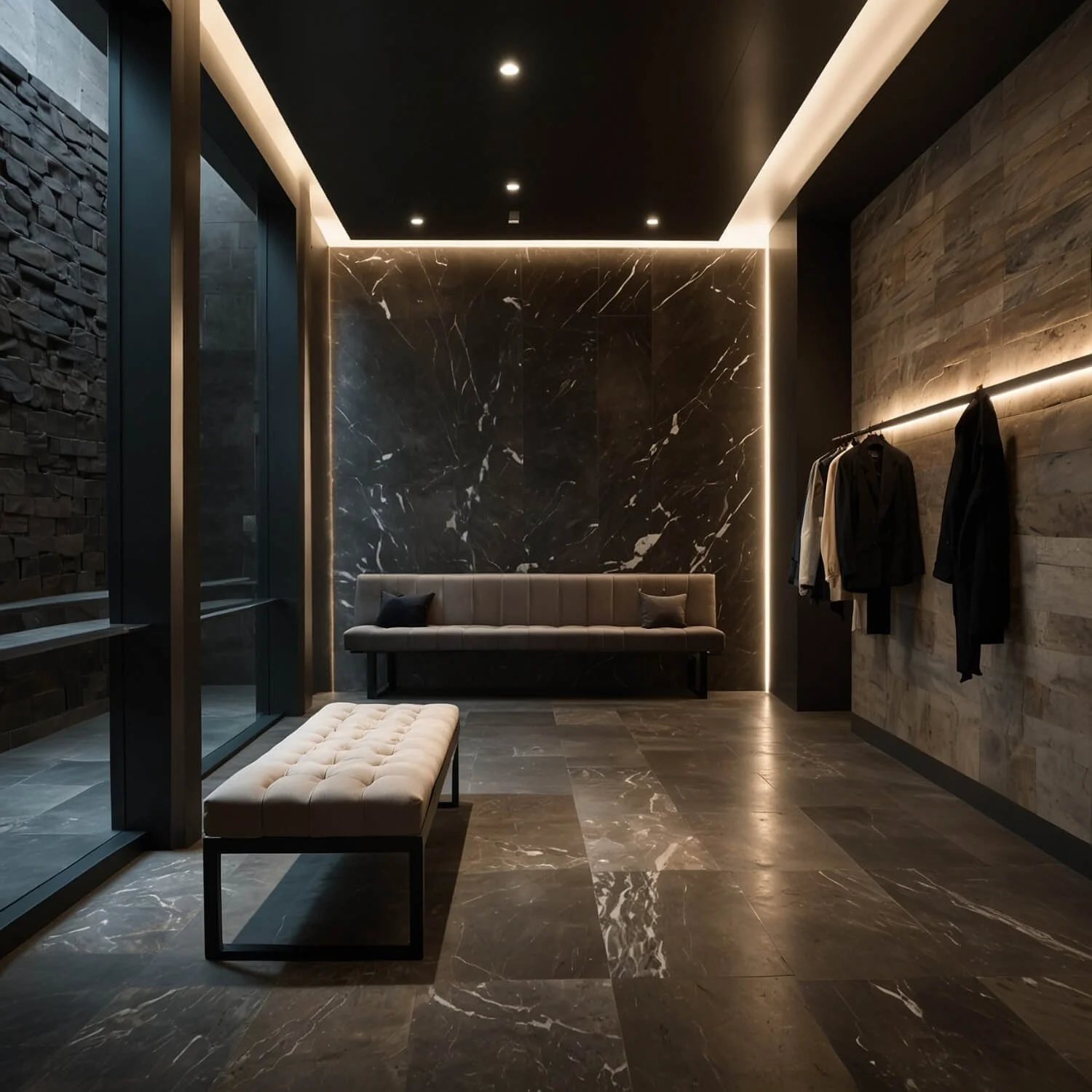 Image 8 of 22
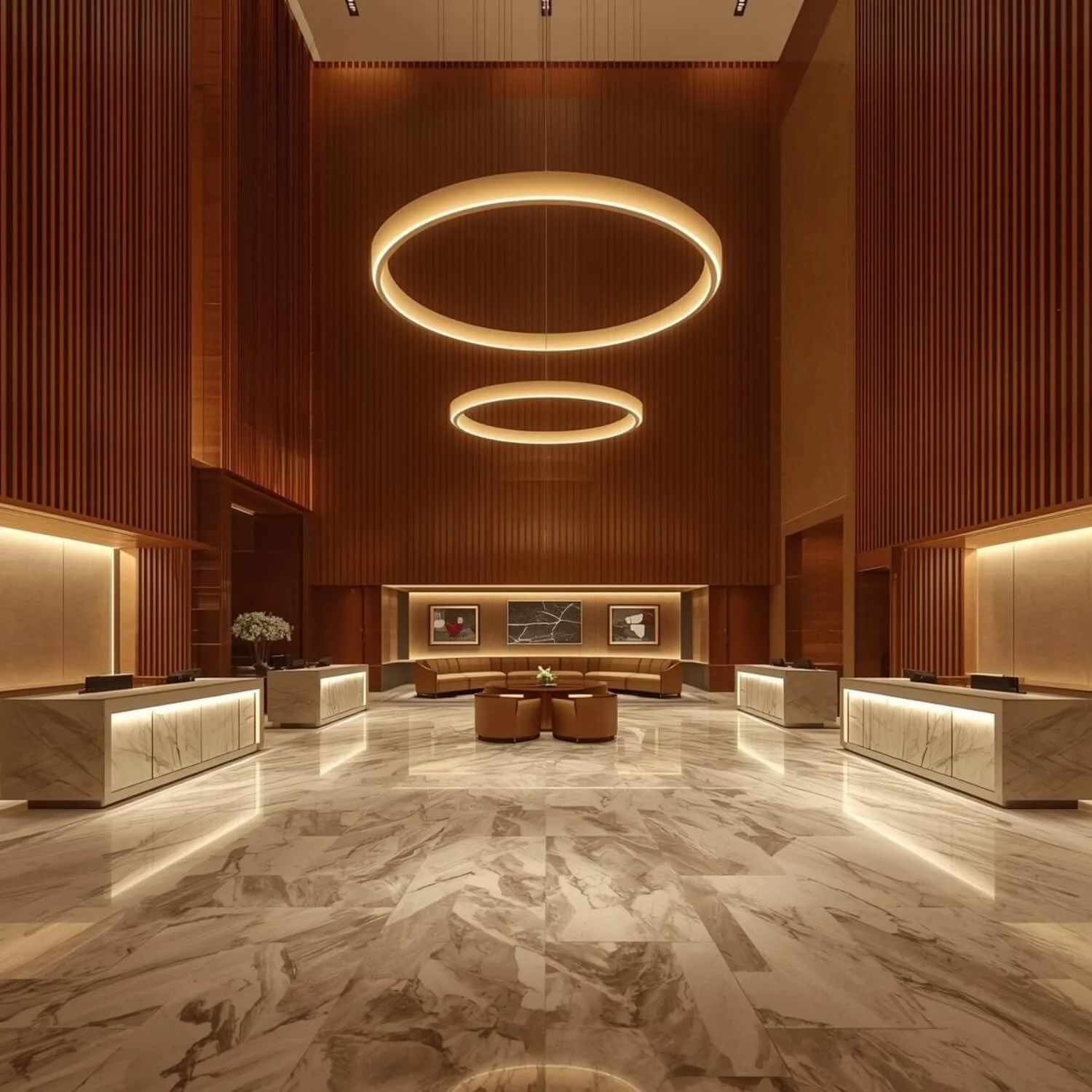 Image 9 of 22
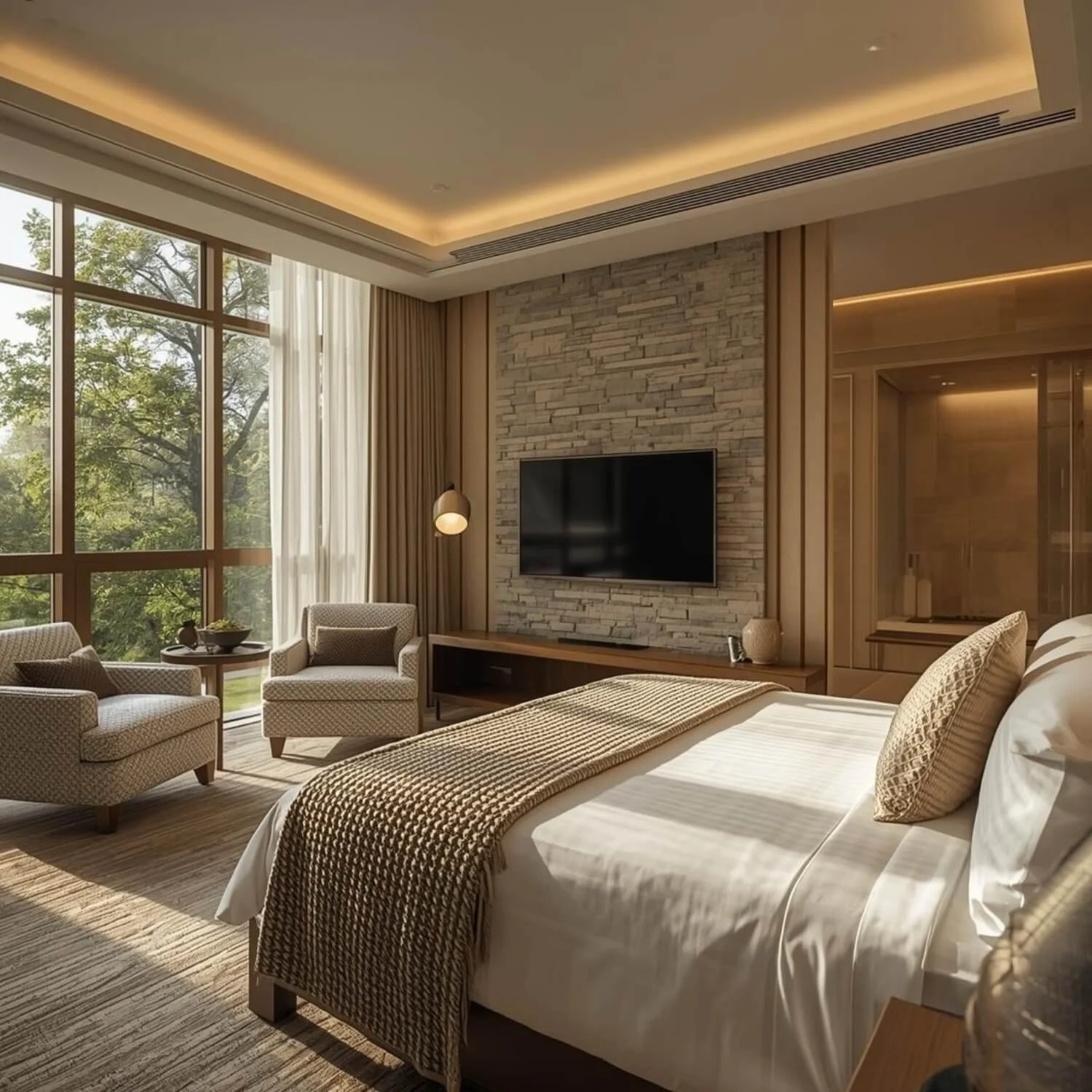 Image 10 of 22
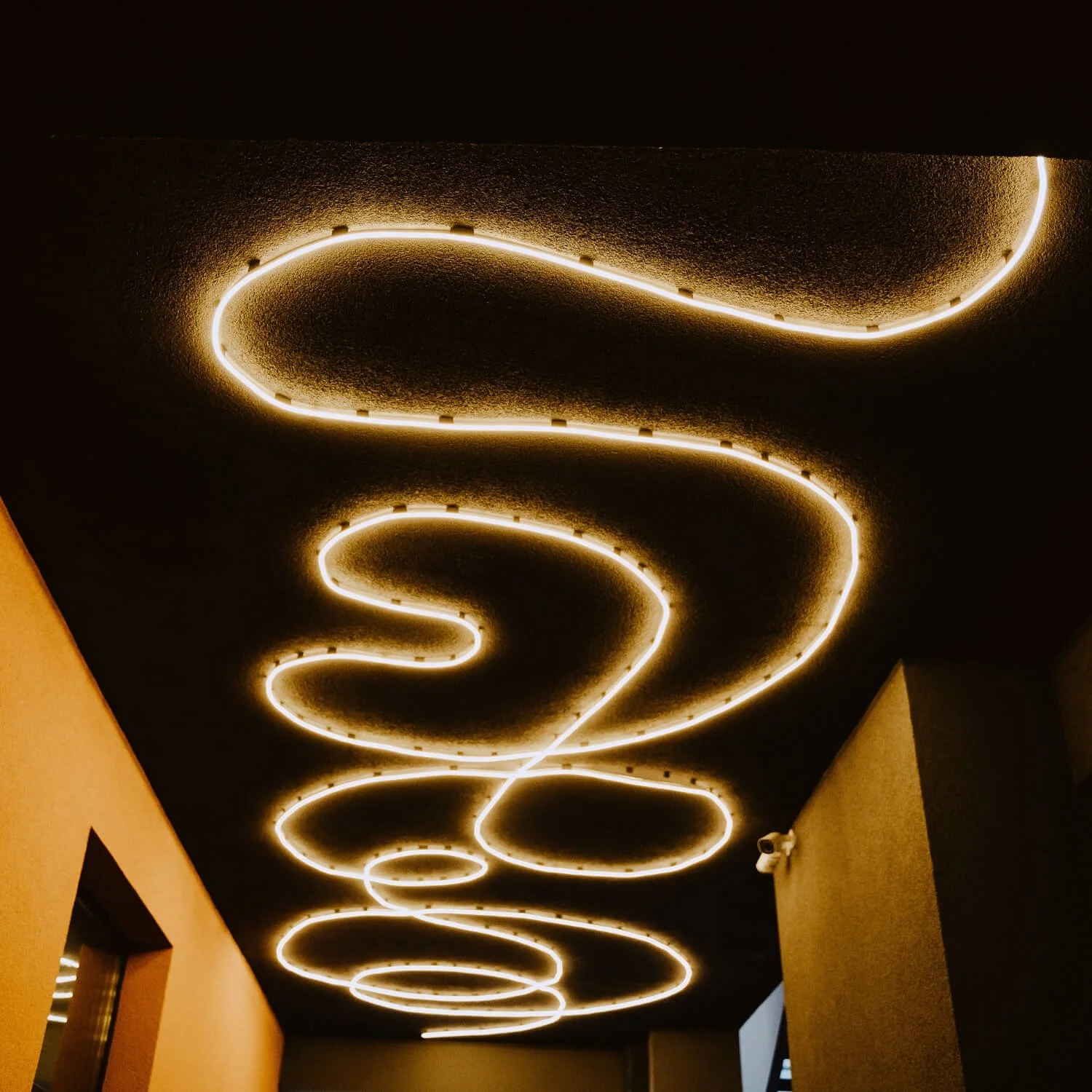 Image 11 of 22
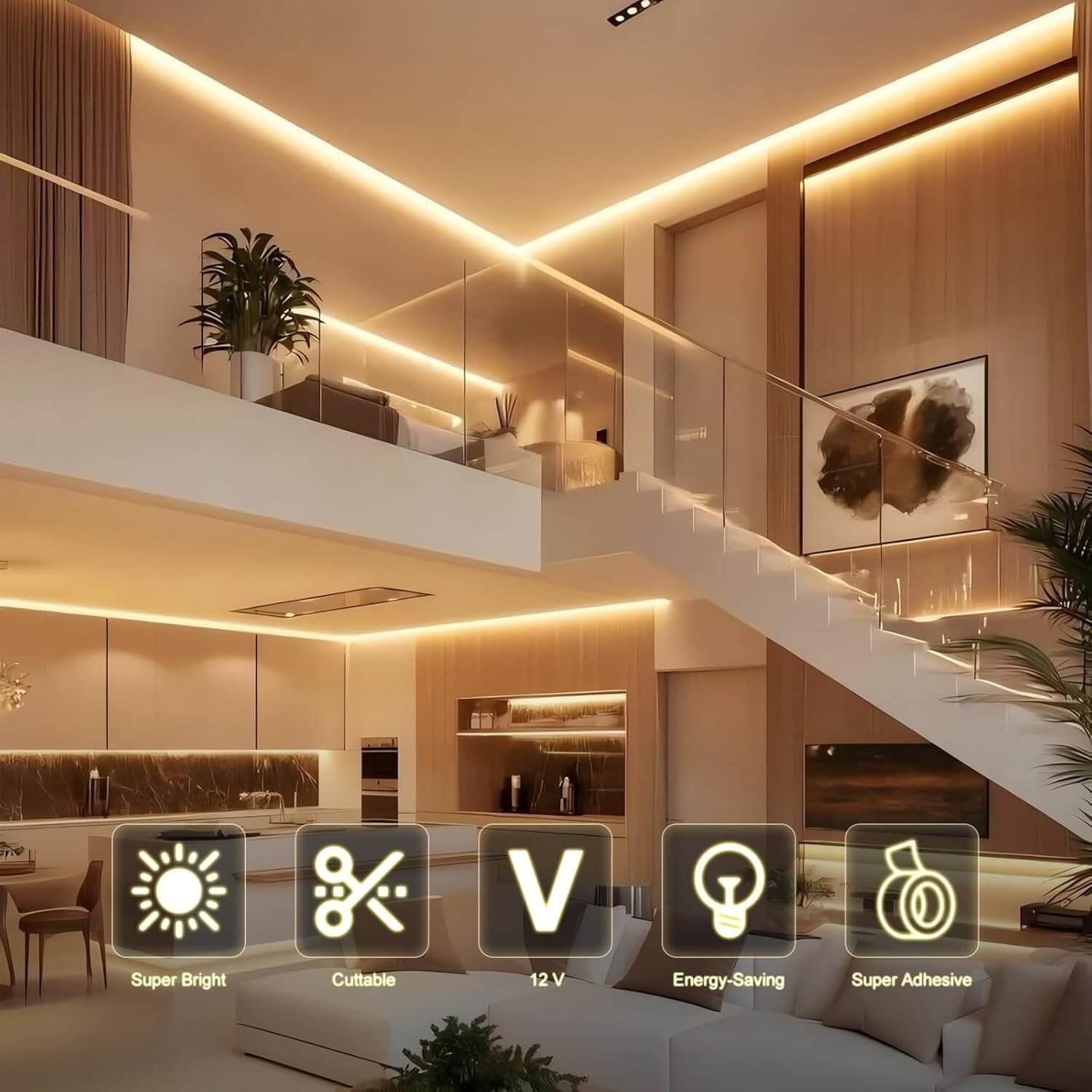 Image 12 of 22
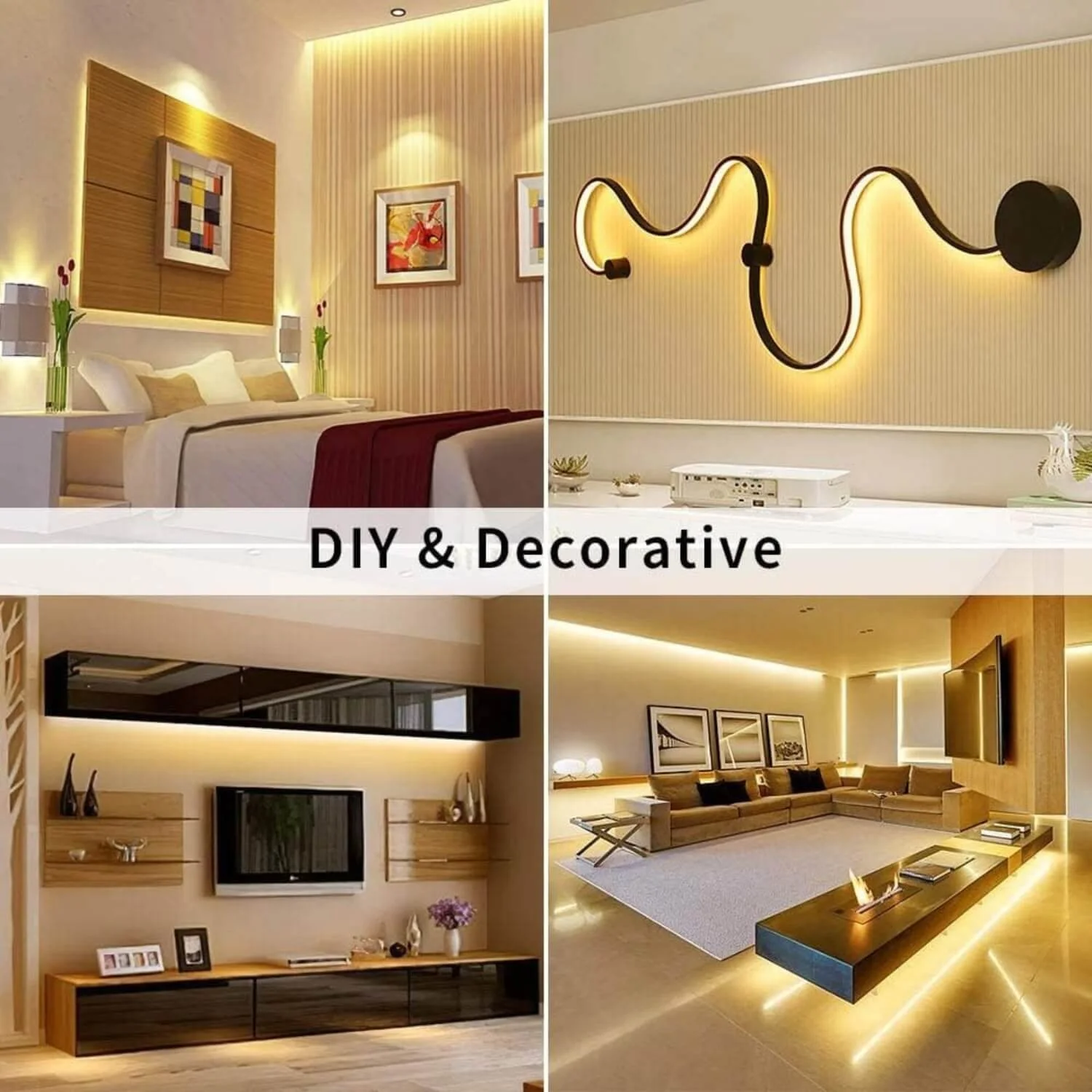 Image 13 of 22
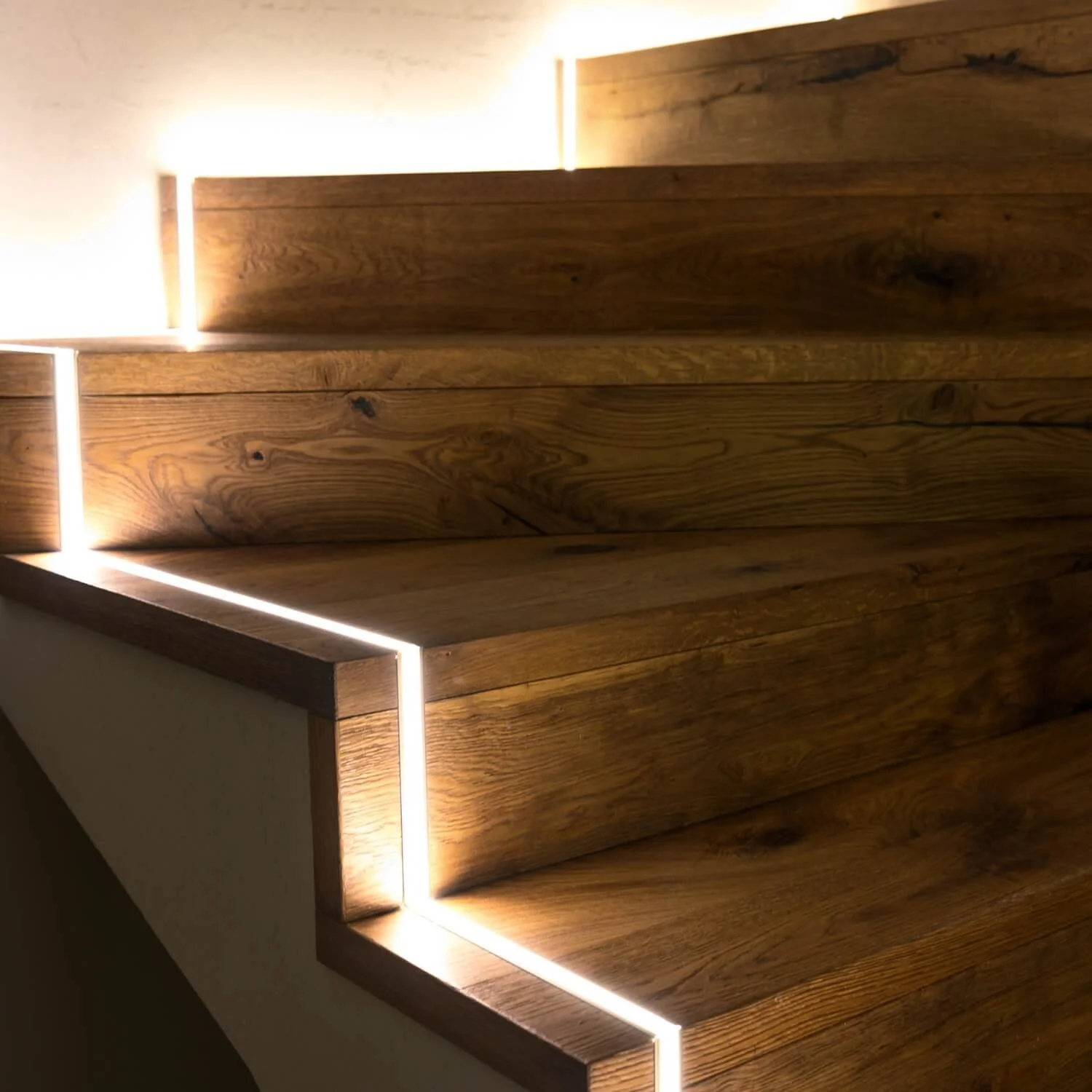 Image 14 of 22
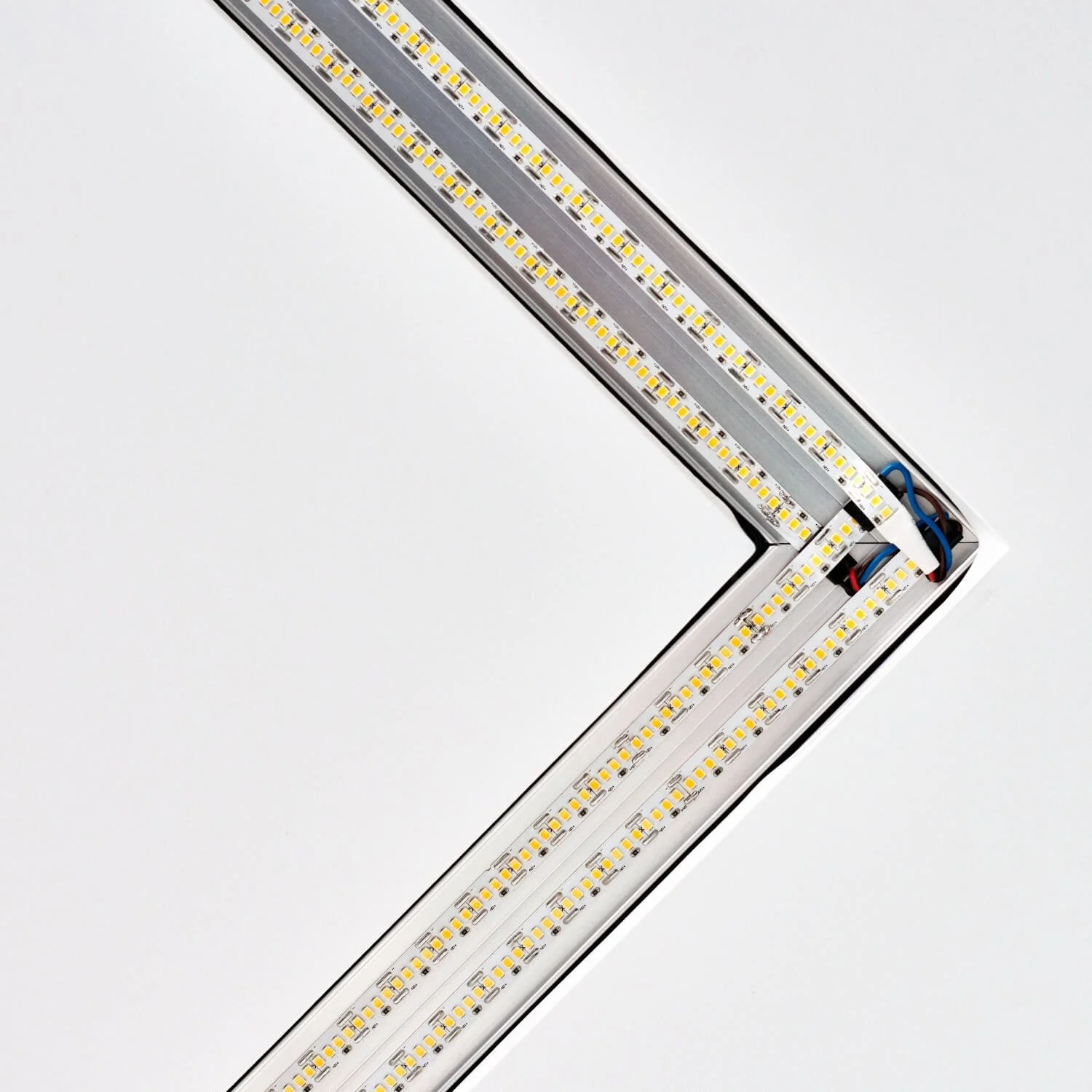 Image 15 of 22
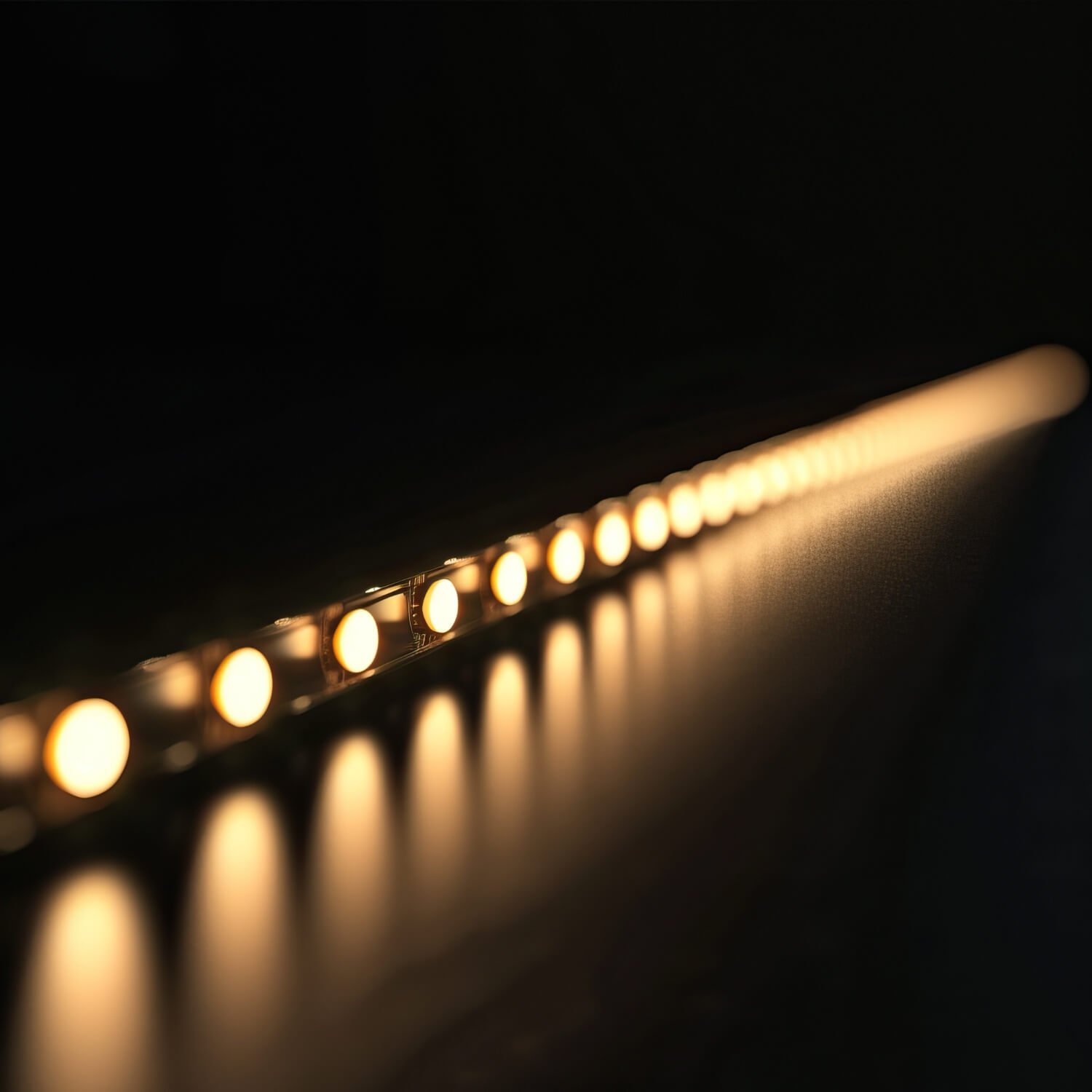 Image 16 of 22
 Image 17 of 22
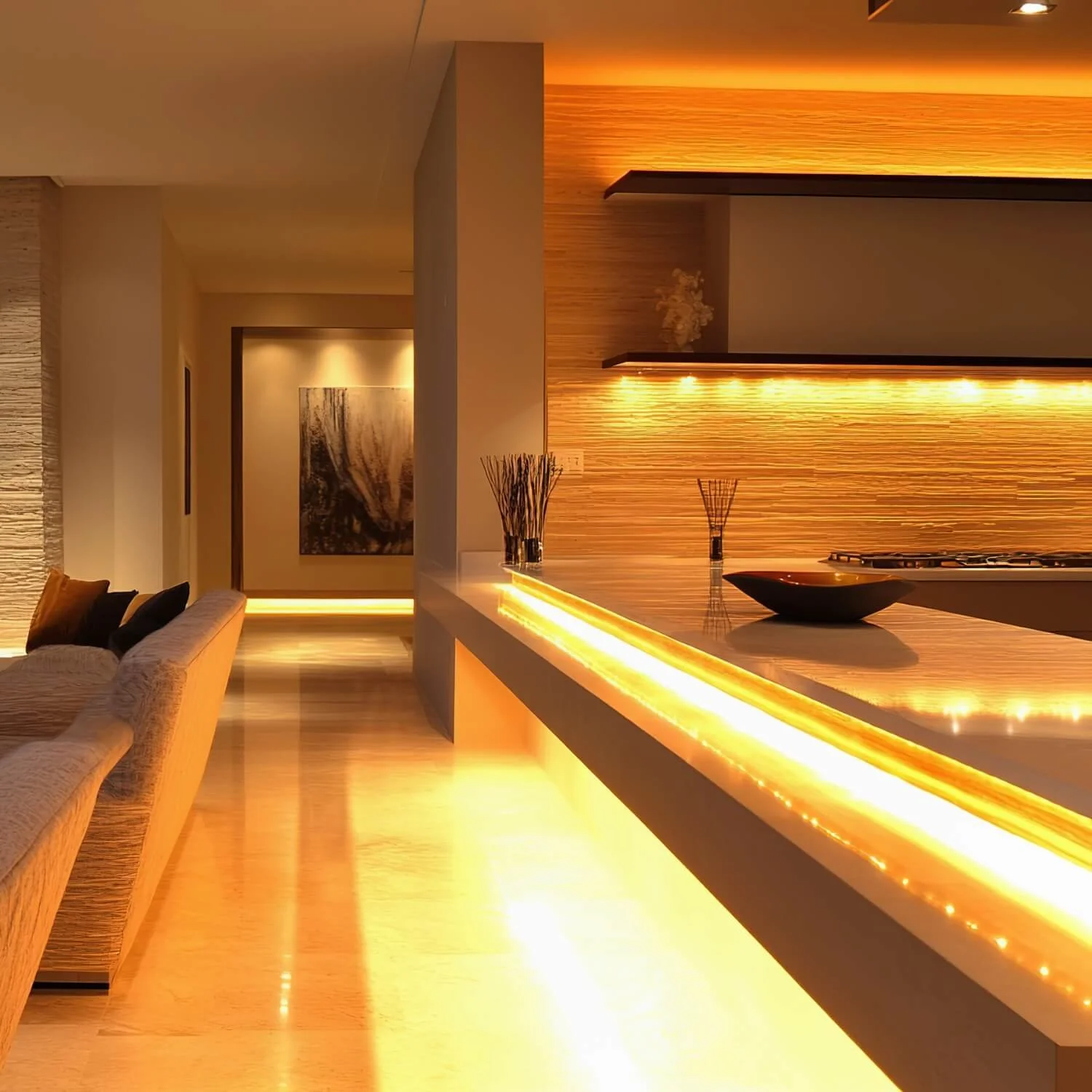 Image 18 of 22
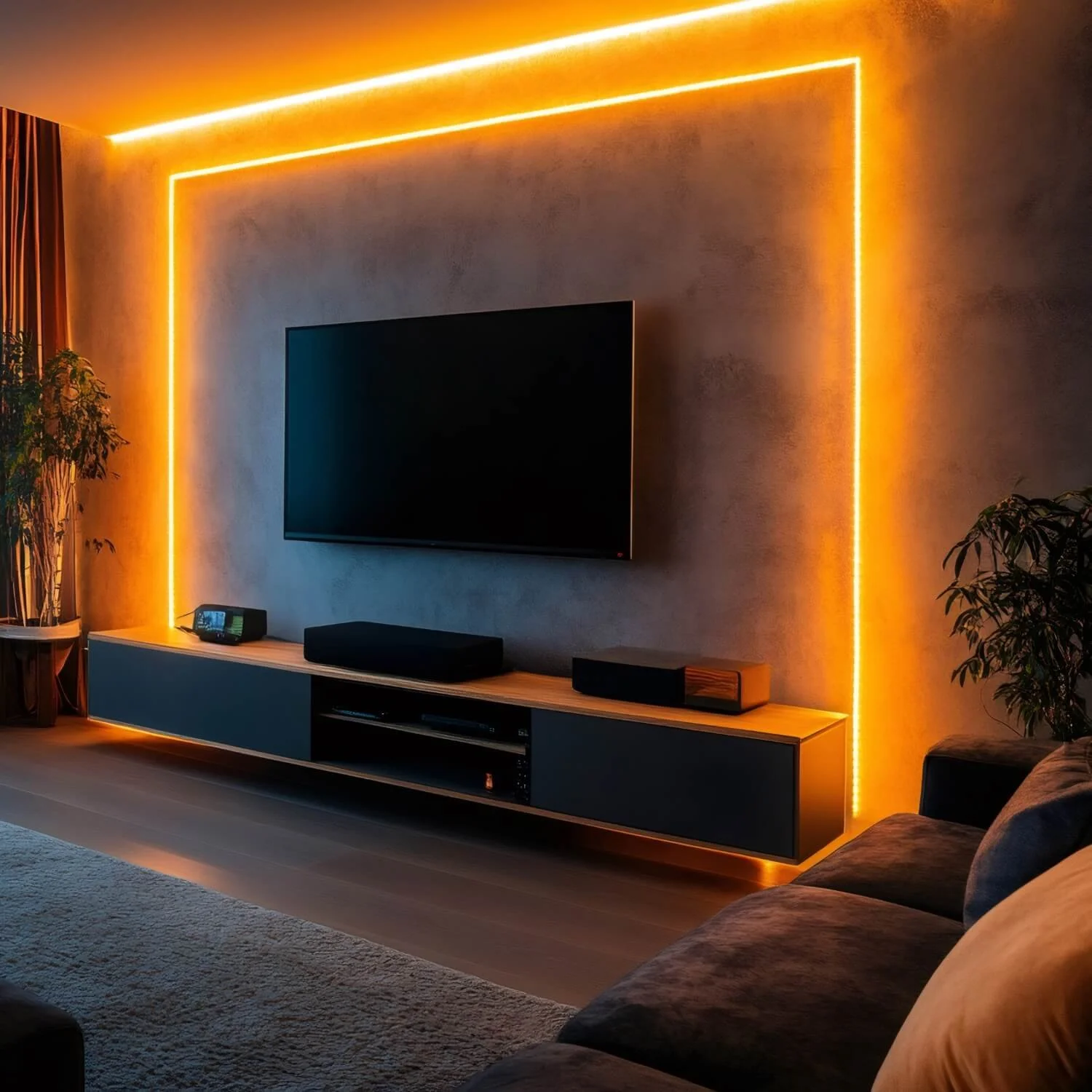 Image 19 of 22
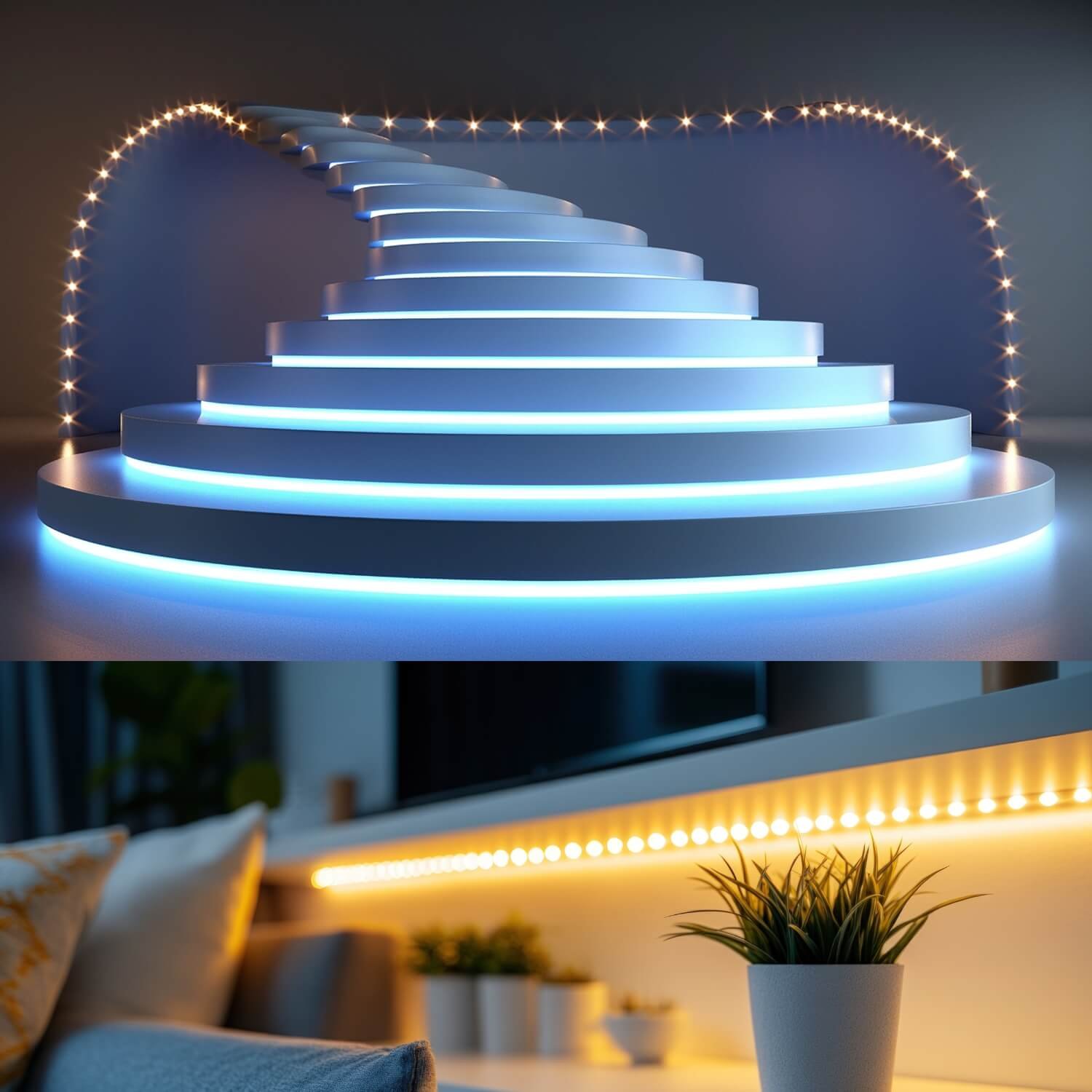 Image 20 of 22
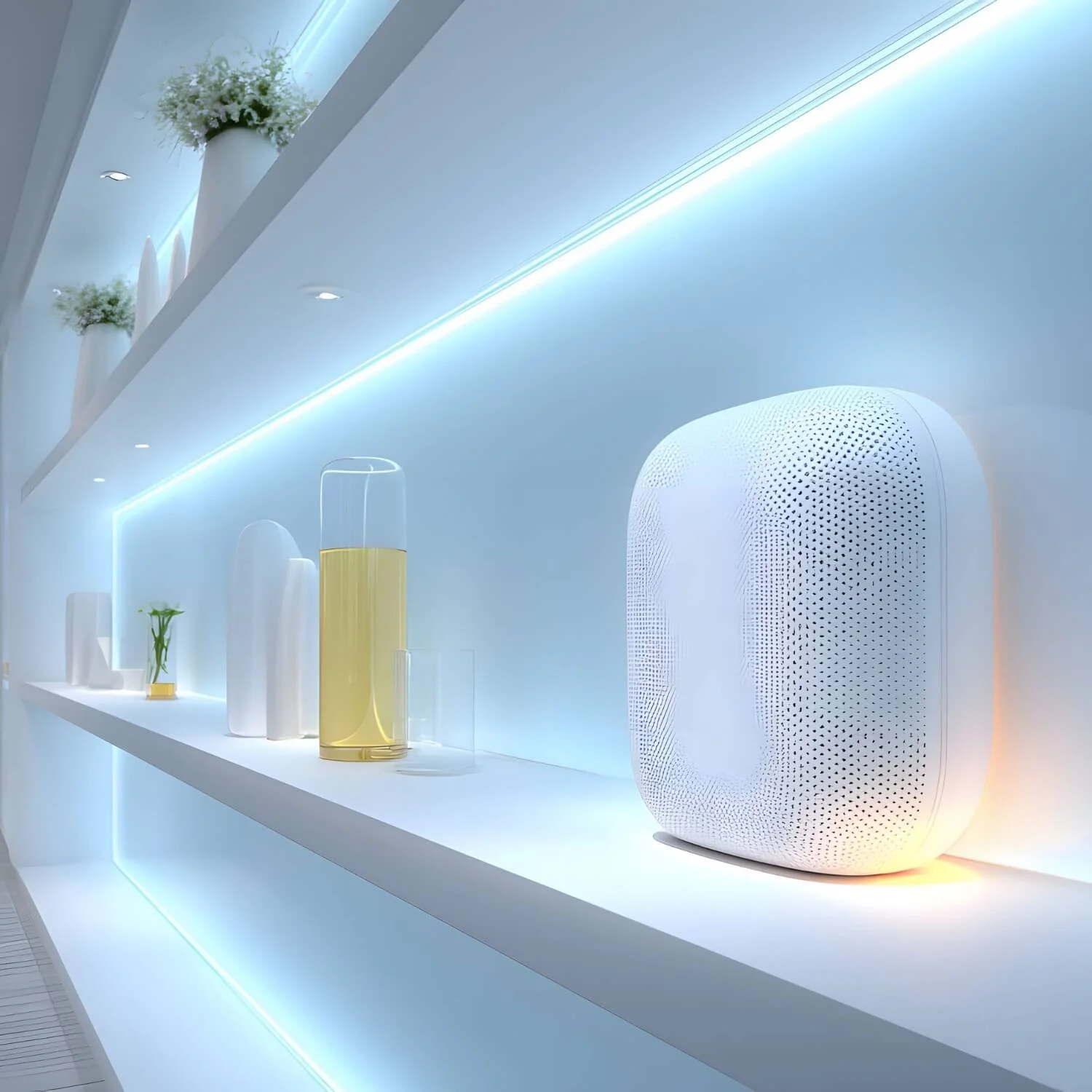 Image 21 of 22
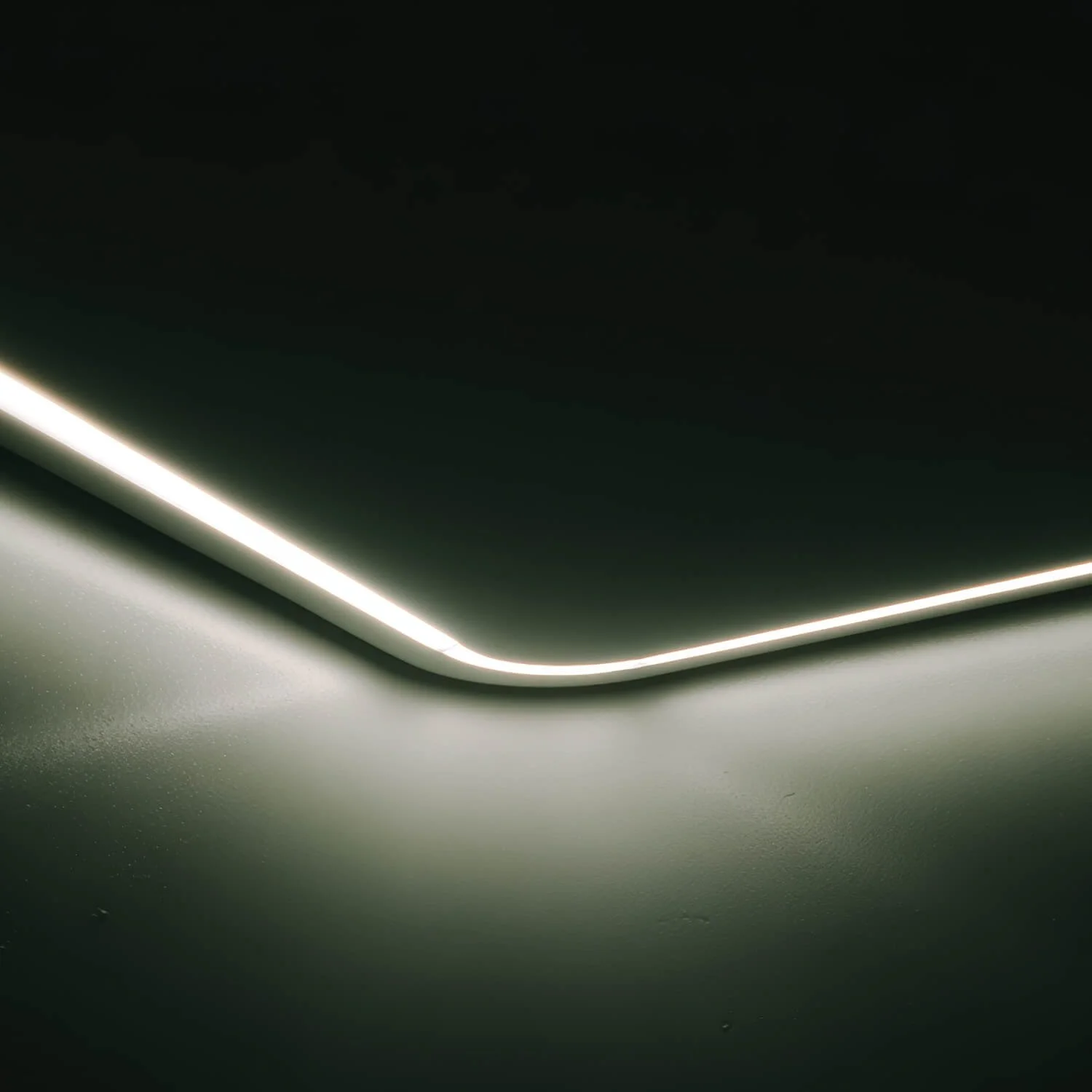 Image 22 of 22